Understanding Smog Check: An Overview
The Smog Check is a crucial part of vehicle maintenance and environmental regulation aimed at reducing air pollution. It involves a series of tests that analyze the amount of harmful pollutants emitted from a vehicle's exhaust system. This process serves not only to ensure compliance with environmental standards but also to enhance the public's health and preserve the environment. In this article, we delve into everything you need to know about smog checks, their significance, and the process involved.
What is a Smog Check?
A smog check is an inspection process designed to assess a vehicle's emissions. These evaluations are typically mandated by state regulations, especially in urban areas where air quality is a major concern. The smog check tests whether a vehicle meets the state-required standards for emissions, measuring various pollutants before certifying the vehicle for road use.
Importance of Smog Checks for Environmental Health
Smog checks play an essential role in maintaining air quality and public health. Vehicles are significant contributors to air pollution, emitting harmful gases, including carbon monoxide, hydrocarbons, and nitrogen oxides. Regular smog checks help to identify vehicles that exceed these emission limits, thereby contributing to efforts that aim to reduce the levels of smog and related health issues in the community.
How Smog Checks Work
Smog checks typically involve a visual inspection of the vehicle, diagnostic tests of the onboard computer systems, and an emissions test where the exhaust is analyzed. Depending on the results, the vehicle may either pass, fail, or require additional repairs before it can pass the inspection. These tests not only check for visible exhaust emission but also measure whether the vehicle meets established emissions standards.
Smog Check Requirements by State
State-Specific Regulations Explained
Smog check regulations vary significantly from state to state, reflecting local environmental policies and air quality conditions. States like California have stringent regulations, requiring smog checks for most vehicles every two years, while other states may only require checks in specific urban areas. Understanding the regulations applicable in your locality is crucial for compliance.
Common Documentation Needed
When preparing for a smog check, specific documentation may be required. Drivers usually need to have their vehicle registration, proof of insurance, and any previous smog check results. It's essential to have this documentation handy to facilitate the inspection process and avoid delays.
Exceptions and Exemptions
Several exemptions exist surrounding smog checks, often depending on vehicle age, type, and the number of miles driven. For instance, many states exempt electric vehicles, hybrids, and vehicles manufactured in the last few years. Additionally, certain states may offer exemptions for classic cars or vehicles used for specific purposes, like farm use. Checking with local authorities is vital to determine applicable exemptions.
Preparing Your Vehicle for a Smog Check
Maintenance Tips Before the Inspection
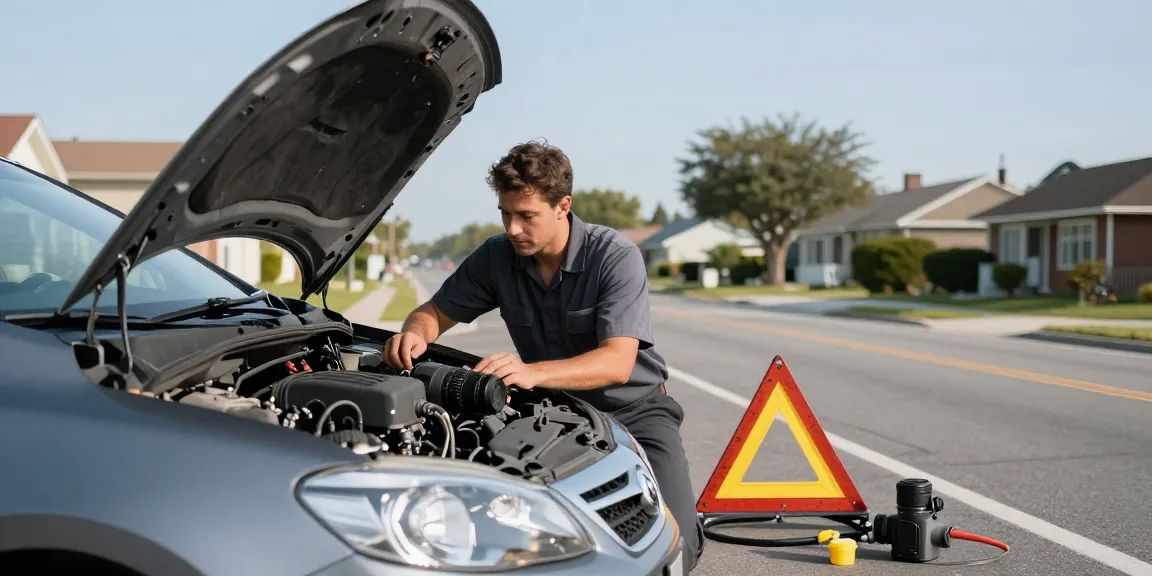
Preparing your vehicle for a smog check can significantly increase the likelihood of passing the inspection. Start by ensuring that the engine is in good condition, checking fluid levels, and inspecting the air filter. A clean air filter can improve engine performance and reduce emissions. Additionally, ensuring that your tires are properly inflated can help improve gas mileage, which can positively impact emissions.
Common Issues to Check
Before heading for a smog check, address potential issues that might cause a failed inspection. Common problems include the check engine light being on, leaking fuel, or deteriorating exhaust systems. Regularly checking these components can save you time and money, helping you avoid any unexpected repairs and ensuring compliance with emissions standards.
What to Expect During the Smog Check
During the smog check, you will be required to present your vehicle and documentation at a certified inspection station. The technician will conduct various tests, starting with a visual examination and moving to emissions tests where exhaust is analyzed. The duration of the inspection typically ranges from 20 to 45 minutes, depending on the facility's efficiency and the vehicle’s condition.
Costs Associated with Smog Checks
Pricing Overview
The cost of a smog check can vary widely based on location, vehicle type, and the testing facility. On average, prices range from $20 to $70. Know that while price is an important factor, it’s essential to prioritize the quality of the inspection service over cost to ensure a thorough evaluation.
Potential Additional Fees and Charges
In addition to the base fee for the smog check, other charges may apply, especially if your vehicle requires repairs to pass the inspection. If needed, retesting fees can apply, which can be avoided by ensuring your vehicle is well-prepared beforehand. Always inquire about any additional fees before settling on an inspection station to avoid unexpected charges.
How to Save on Smog Check Costs
Saving on smog check costs often involves regular vehicle maintenance to reduce the likelihood of needing repairs. Additionally, some states offer discount programs, especially for low-income residents. Research any available programs at local inspection stations or through state environmental agencies, which can significantly reduce overall costs.
Frequently Asked Questions About Smog Check
What is a Smog Check?
A smog check is an inspection that assesses your vehicle's emissions levels to ensure they comply with environmental regulations. It's essential for reducing air pollution.
How often do I need a Smog Check?
The frequency of smog checks varies by state, typically every 1 to 2 years. It's important to check local regulations for specific requirements that apply to your vehicle.
What happens if my vehicle fails?
If your vehicle fails the smog check, you must address the issues causing the failure and undergo a retest. Repairing any problems promptly can help ensure your vehicle meets emissions standards.
Are there exemptions for older vehicles?
Yes, many states exempt older vehicles from smog checks, especially those built before a specific year or classified as classic cars. However, verification of exemptions is essential.
How can I prepare my vehicle for a Smog Check?
Preparing your vehicle involves ensuring regular maintenance, checking for leaks, and ensuring the check engine light is off. It's beneficial to have a thorough inspection before the official test.