Understanding Home Renovation Types
What Is Home Renovation?
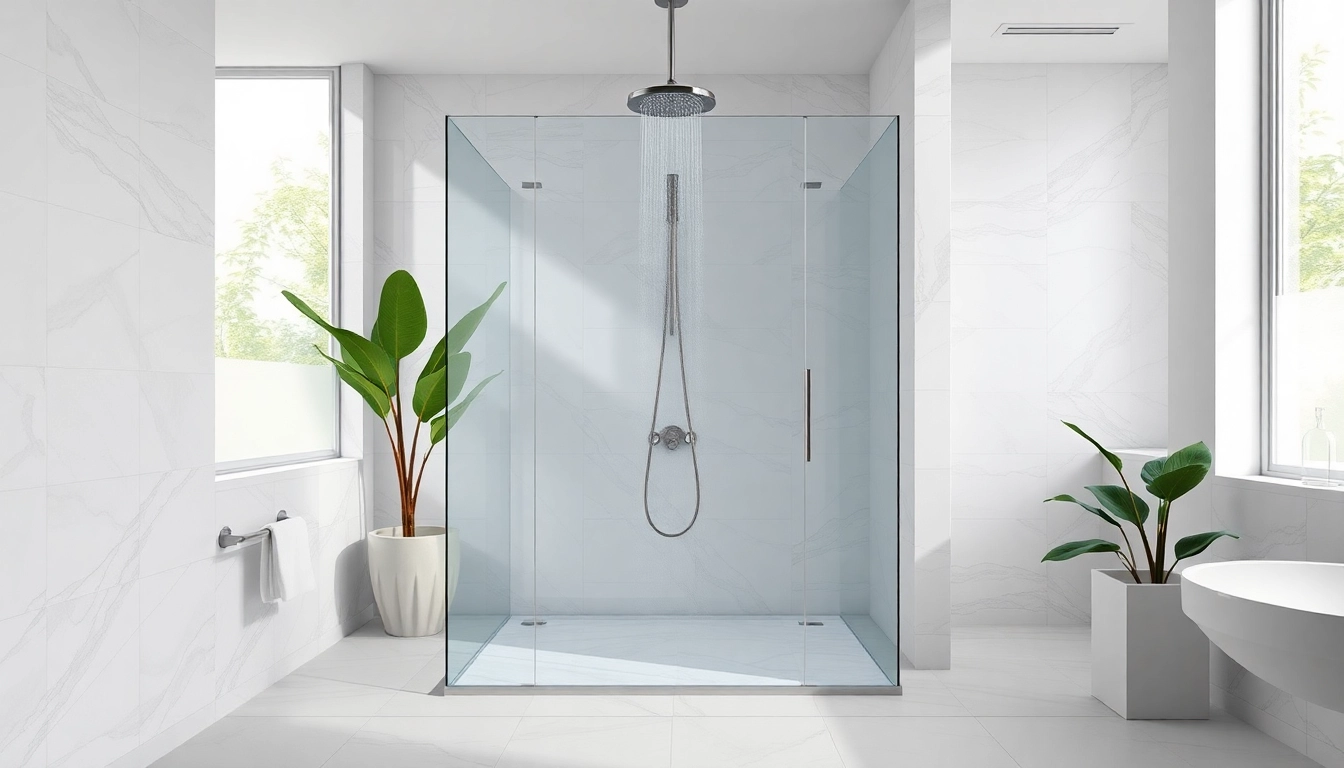
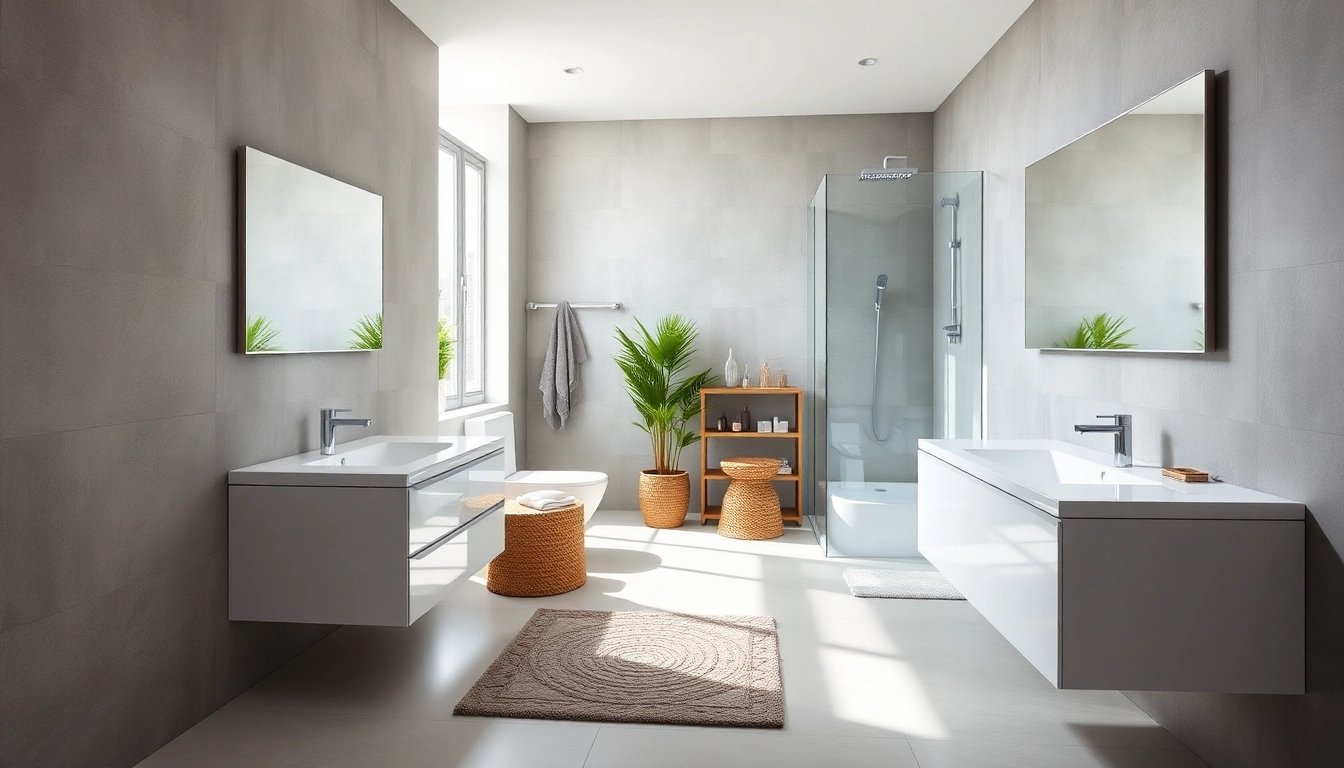
Home renovation is a transformative process that involves updating or enhancing the existing structure and layout of a residence. It can encompass a broad range of projects, from simple cosmetic upgrades like painting and flooring to extensive modifications such as structural changes or complete overhauls of specific areas within a home. Home renovation not only improves the aesthetic appeal of a space but also increases its functionality and, in many cases, its market value. Whether updating a kitchen, adding a bathroom, or converting a basement into a living area, Home renovation projects reflect the evolving needs and preferences of homeowners and contribute to a better living environment.
Different Types of Home Renovation Projects
Home renovation projects can generally be categorized into several types, each catering to different goals and design aspirations:
- Cosmetic Renovations: These are minor projects aimed at updating the décor of a home without altering its structure. Examples include painting walls, updating flooring, and replacing fixtures.
- Functional Renovations: These focus on improving the functionality of a space. This could involve rearranging rooms, adding more storage solutions, or optimizing layouts for better traffic flow.
- Structural Renovations: These projects involve significant changes to the home structure, such as removing walls, adding new rooms, or even raising the roof. Such renovations may be necessary for improving space utilization or addressing structural deficiencies.
- Energy-Efficiency Renovations: Aimed at reducing energy consumption, these projects may include installing energy-efficient windows, updating HVAC systems, or incorporating renewable energy sources like solar panels.
- Restorative Renovations: Focusing on preserving the historical or architectural elements of a property, these renovations often involve restoration efforts to bring an older home back to its original glory while upgrading to modern standards.
Choosing the Right Renovation for Your Home
When selecting a renovation type for your home, several factors offer guidance. Begin with an assessment of your goals—do you want to enhance style, functionality, or value? Next, consider the structure's current condition and how the chosen renovation aligns with its flaws or strengths. Conducting a budget analysis helps to ensure that your plans are financially feasible while seeking inspiration through design trends and professional consultations can help determine the best approach. Ultimately, the right renovation not only meets your immediate needs but also resonates with your long-term vision for your living space.
Planning Your Home Renovation
Setting a Realistic Budget for Home Renovation
Establishing a clear and realistic budget is a crucial first step in any home renovation project. Begin by itemizing potential costs associated with labor, materials, permits, and unexpected expenses. To ensure accuracy, research quotes from contractors and suppliers. Setting aside an additional 10-20% of your total budget as a contingency fund can help cushion against unforeseen issues that may arise during the renovation process. Thoroughly reviewing all budget components will significantly reduce the risk of overspending and project delays.
Timelines and Milestones in Your Home Renovation Journey
Creating a timeline outlining key milestones for your home renovation ensures a clear roadmap to success. Begin with planning and securing permits, then proceed to demolition, construction, and final touches. It is vital to anticipate potential delays, such as weather conditions or supplier delays, and incorporate these factors into your timeline. Establish regular check-ins during the project to track progress against milestones and adjust your plans if necessary. Adhering to a structured timeline keeps the renovation on track and minimizes disruptions in your daily life.
Choosing the Right Contractors for Your Home Renovation
Finding qualified and trustworthy contractors is paramount to the success of any home renovation. Begin by soliciting recommendations from friends and family or conducting online searches for reputable professionals in your area. Always check references, read reviews, and request quotes from multiple contractors to compare pricing and services. Ensure that any contractor you choose is licensed, insured, and experienced in the specific type of renovation you’re undertaking. Establishing clear lines of communication and setting expectations upfront helps foster a collaborative relationship with your contractor.
Design Considerations for Home Renovation
Incorporating Modern Trends in Home Renovation
Staying updated on modern design trends is vital for creating a home that feels fresh and relevant. Some current trends include open-concept layouts, minimalist design, and the use of sustainable materials. Incorporating smart home technology, such as automated lighting and security systems, can also enhance the functional and aesthetic appeal of a space. Clients should consider their personal style while embracing these trends to ensure the final design reflects their preferences and lifestyle.
Balancing Funky Aesthetics and Practicality in Home Renovation
Successful home renovation involves a harmonious balance between creativity and practicality. While it’s tempting to envision a space that embraces bold colors or innovative layouts, practicality must guide your choices. Aim for aesthetic elements that enhance daily living rather than hinder it. For example, while vibrant wallpapers or intricate lighting fixtures can add character, their maintenance and integration with the overall flow are equally important. Ultimately, the goal is to create a visually appealing environment that remains functional and functional.
Personalizing Your Space During Home Renovation
Personalization is a significant aspect of home renovation that helps create a unique space tailored to individual tastes. Incorporate personal art pieces, cherished antiques, or custom-built furniture to bring character and warmth into the home. Consider discussing these personal elements with your designer or contractor to ensure they can be integrated seamlessly. By injecting individuality into the renovation project, homeowners forge a deeper connection to their living spaces.
Executing Your Home Renovation Project
Best Practices for Maintaining Quality in Home Renovation
To ensure high-quality results during a home renovation, establish a detailed plan outlining every task and deliverable. Conduct regular site visits to monitor workmanship, providing constructive feedback when necessary. Set quality benchmarks, such as materials and finishes, before starting the project and verify they align with these standards throughout the construction phase. Open communication with your contractor fosters transparency, minimizing misunderstandings and ensuring that all work meets your expectations.
How to Manage Disruptions During Home Renovation
Home renovations often create unavoidable disruptions, from noise to limited access to certain areas of the house. Preparing for these disruptions begins with setting clear timelines for each phase of the project. Designate a specific area of your home as a temporary living space to minimize disruption to your daily routine. Additionally, proactively communicate with your contractor about anticipated disturbances and be flexible to accommodate changes as they arise. Having contingency plans ensures that you maintain a sense of normalcy during the renovation process.
Finalizing Details: The Last Steps in Your Home Renovation
As the renovation nears completion, focus shifts to the final embellishments that bring the entire vision together. Conduct a walkthrough of the space with your contractor, ensuring that all contracted work aligns with expectations. Be meticulous in examining every detail, from finishing touches like paintwork to the installation of hardware. Celebrate completed renovations with a thorough cleaning of the space, preparing it for full functionality. A well-executed finish instills lasting satisfaction and pride in the accomplishment.
Evaluating the Success of Your Home Renovation
Measuring Value Added Through Home Renovation
The impact of your renovation can often be measured in both tangible and intangible ways. Conducting a post-renovation appraisal can provide insights into market value changes, while also examining how the renovation has improved your lifestyle can highlight substantial gains in functionality and happiness. Documenting and showcasing renovations through before-and-after photographs can also enhance the value perception if you decide to sell your home in the future.
Common Challenges and How to Overcome Them in Home Renovation
Challenges during home renovations are not uncommon and can arise due to multiple factors—from budget overruns to contractor disputes and unanticipated structural issues. To effectively manage these challenges, maintain ongoing communication with all parties involved. Establish clear roles, responsibilities, and timelines from the outset. Should potential issues arise, tackle them promptly; being proactive rather than reactive often prevents minor concerns from escalating into major setbacks.
Next Steps After Completing Your Home Renovation
Upon completing your home renovation, it’s crucial to establish a plan for maintenance and upkeep. Conduct a thorough inspection of all renovated elements and create a schedule for necessary upkeep, whether that involves regular cleaning or inspections. Additionally, celebrate your hard work! Host a gathering or share your success online to inspire others considering similar renovations. Lastly, use your experience to inform future home improvement projects, understanding the lessons learned along the way will guide you to even greater successes.