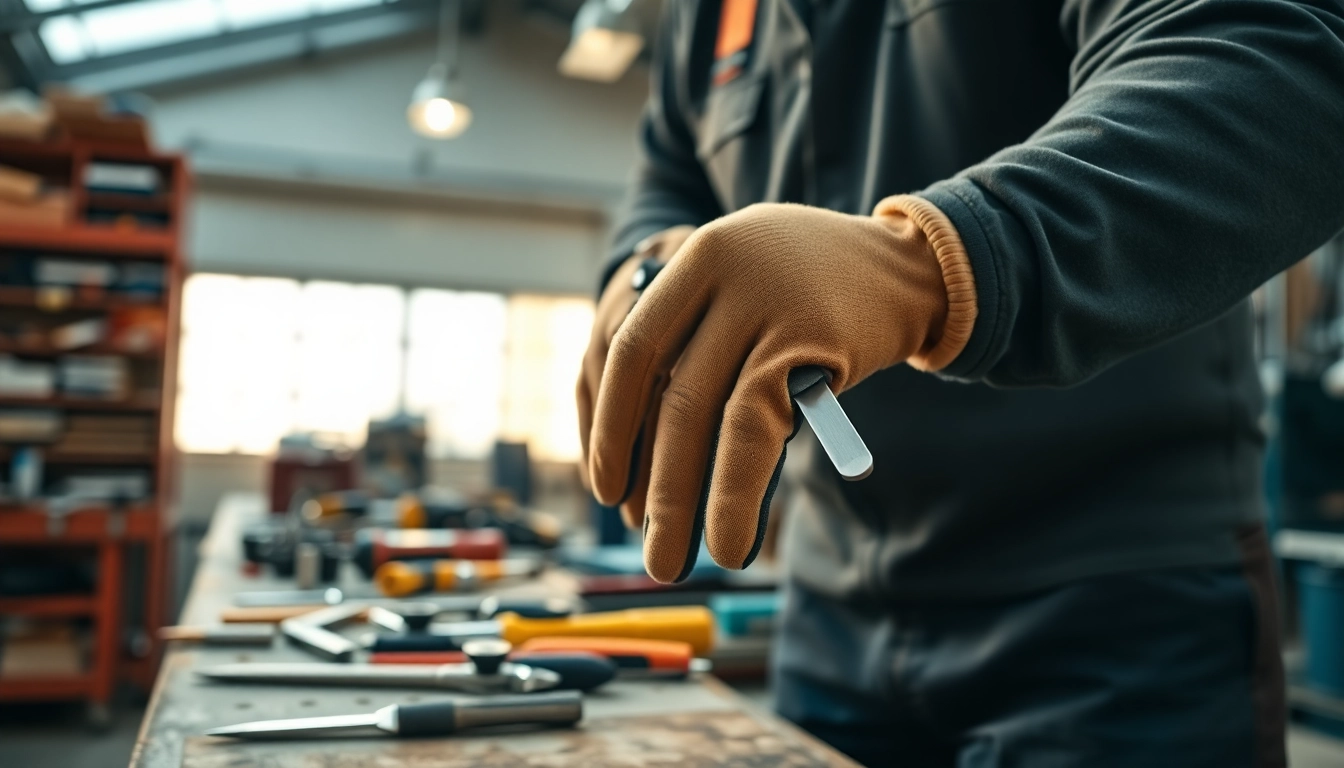
Understanding EN 388 Cut-Resistant Gloves
What Are EN 388 Cut-Resistant Gloves?
EN 388 cut-resistant gloves are specialized protective equipment designed to minimize the risk of injuries caused by cuts and abrasions while working in environments where sharp objects are present. The "EN" in EN 388 refers to the European Norm standard, which provides a framework for assessing the mechanical risks associated with protective gloves. These gloves are heavily utilized across several industries, including construction, manufacturing, and food processing, where handling sharp materials is common. Investing in EN 388 cut-resistant gloves not only improves safety but also enhances productivity by allowing workers to handle both sharp and hazardous materials with confidence.
Key Standards and Ratings Explained
The EN 388 standard evaluates gloves based on four primary tests, each of which focuses on a different aspect of cut resistance:
- Cut Resistance (C): Measured using a blade that slices through the glove material; rated from A (lowest cut resistance) to F (highest cut resistance).
- Blade Cut Resistance (B): This test uses a circular blade to assess the performance against a specified force.
- Puncture Resistance (P): Involves testing the glove's ability to withstand punctures from sharp objects.
- Tear Resistance (T): Measures how well the glove can endure tearing forces.
Understanding these ratings helps users select gloves suited to their specific protection needs, optimizing safety and performance in the workplace.
Common Materials Used in Construction
The construction of EN 388 cut-resistant gloves utilizes various advanced materials to enhance their protective capabilities. Common materials include:
- High-Performance Polyethylene (HPPE): Known for its lightweight nature and exceptional cut resistance, HPPE is a popular choice in glove manufacturing.
- Steel Fiber: Provides substantial protection against cuts and is often blended with synthetic fibers for improved comfort.
- Kevlar: Renowned for its heat resistance and durability, Kevlar is often used in gloves designed for environments exposed to flames or high temperatures.
- Natural Rubber: Offers dexterity and grip, making it an excellent complement to cut-resistant materials.
Employing these materials, manufacturers aim to strike a balance between cut protection, comfort, and dexterity, essential for safety in various industries.
Benefits of Using EN 388 Cut-Resistant Gloves
Enhanced Safety in Hazardous Environments
In workplaces where sharp tools and materials are commonplace, the risk of hand injuries is significantly elevated. EN 388 cut-resistant gloves provide a crucial line of defense, preventing lacerations that can lead to serious injuries or even fatalities. Their effectiveness is essential in environments such as:
- Construction sites
- Metal and glass manufacturing
- Food processing industries
- Transportation and logistics
Sufficient cut protection not only guards employees from immediate injuries but builds a culture of safety, ultimately enhancing morale and productivity.
Improved Dexterity for Complex Tasks
While protection is paramount, EN 388 cut-resistant gloves are designed to allow for a significant range of motion. This balance of protection and dexterity enables workers to perform complex tasks, such as:
- Precision cutting and assembling
- Handling of delicate materials
- Operating machinery requiring fine motor skills
A well-fitted glove should ensure a natural feel, permitting workers to maintain control while minimizing the risk of injury.
Durability and Longevity Comparisons
Choosing the right pair of EN 388 cut-resistant gloves often involves understanding their durability and longevity. Factors that contribute to the lifespan of these gloves include the quality of materials, frequency of use, and the working environment.
For instance, gloves made from high-quality synthetic fibers may last longer in high-impact jobs compared to those constructed from cheaper materials. Employees and employers should do regular inspections to assess glove wear and replace them as necessary to maintain optimum protection.
Selecting the Right EN 388 Cut-Resistant Gloves
Assessing Your Specific Needs
Before selecting EN 388 cut-resistant gloves, it’s essential to evaluate the specific hazards present in the workplace. Conducting a risk assessment can provide insights into:
- The types of sharp objects handled
- Potential exposure to heat or chemicals
- The overall environment, including moisture and temperature
By understanding these factors, decision-makers can choose gloves that not only meet cut resistance requirements but also cater to comfort and user preference.
Fit and Comfort Considerations
The fit of cut-resistant gloves significantly impacts safety and dexterity. Gloves that are too snug can restrict blood flow and reduce the ability to grip objects, while overly loose gloves pose a risk of snagging or tearing. To achieve the best fit, consider:
- Trying on gloves in various sizes
- Assessing adjustable features, like cuffs
- Evaluating the feel of the materials used
Comfort is also a critical factor, as uncomfortable gloves can lead to reduced compliance and increased injury risk.
Supplier and Brand Credibility
When investing in EN 388 cut-resistant gloves, it is essential to check the reputation of the supplier or manufacturer. Reliable brands usually provide detailed documentation of their products’ testing results and compliance with industry standards. Recommendations and reviews from other users or industry professionals can also help in making choosing a dependable provider.
Maintenance and Care for EN 388 Cut-Resistant Gloves
Cleaning Best Practices
Proper care and maintenance of EN 388 cut-resistant gloves can significantly extend their life. Best practices typically include:
- Avoiding the use of harsh chemicals that can deteriorate the glove materials.
- Hand washing in lukewarm water with mild soap and allowing them to air dry.
- Inspecting for cuts or abrasions after each use to determine any damage.
Following the manufacturer’s cleaning recommendations helps preserve the integrity and protective capabilities of the gloves.
When to Replace Your Gloves
Knowing when to replace EN 388 cut-resistant gloves is crucial for maintaining safety. Signs that indicate a need for replacement often include:
- Visible wear, such as fraying or cuts
- Loss of grip or flexibility
- Strain from frequent washing leading to material breakdown
Establishing a regular inspection routine is essential in a workplace safety program, ensuring gloves are replaced on a schedule that meets workplace demands.
Maximizing Lifespan with Proper Storage
Proper storage of EN 388 cut-resistant gloves can contribute to their longevity. Recommended practices include:
- Storing gloves in a cool, dry place away from direct sunlight.
- Avoiding storage in high-pressure environments that might stretch or deform the gloves.
- Using glove racks or appropriate containers to keep them organized and free from other contaminants.
Creating an environment conducive to preserving glove integrity is often overlooked but vital for ensuring their continued use.
Common Misconceptions About EN 388 Cut-Resistant Gloves
Myths vs. Facts on Cut-Resistant Protection
Several myths surround cut-resistant gloves that can lead to misunderstandings. Some of these include:
- Myth: Cut-resistant gloves are cut-proof.
- Fact: While effective, they reduce the risk but do not guarantee complete protection.
- Myth: All gloves labeled "cut-resistant" provide the same level of protection.
- Fact: Cut resistance varies based on materials and ratings specified by EN 388.
Educating workers about the actual capabilities and limitations of cut-resistant gloves helps reinforce their proper use in risky environments.
Understanding Limitations and Standards
Users must recognize that while EN 388 cut-resistant gloves provide substantial protection, they are not designed to defend against every type of hazard. These gloves typically focus on cut and abrasion resistance. Areas such as puncture resistance and chemical exposures should also be evaluated separately to ensure comprehensive safety in the workplace.
Real-life Performance in Various Industries
Real-life application of EN 388 cut-resistant gloves has proven their effectiveness across multiple industries. From the rigor of a manufacturing floor to the careful handling of kitchen knives in a restaurant, these gloves perform reliably when chosen correctly. Training staff on proper glove use combined with an understanding of their strengths and weaknesses enhances safety in diverse work environments.
FAQs
How are EN 388 cut-resistant gloves tested?
The testing involves using specific tools to measure the glove’s resistance against cuts and slices according to EN 388 standards.
What industries benefit from EN 388 cut-resistant gloves?
These gloves are essential in construction, manufacturing, transportation, and any industry where handling sharp materials is common.
Can I wash EN 388 cut-resistant gloves?
Yes, but it's crucial to follow care instructions, as some materials may degrade with washing. Hand washing is often recommended.
What level of cut resistance should I look for?
The level ranges from A to F, with F providing the highest protection. Assess your work environment risks to determine the appropriate level.
Do EN 388 gloves prevent all cuts?
No, they reduce the risk but do not guarantee total protection. Always consider the specific hazards in your work environment.