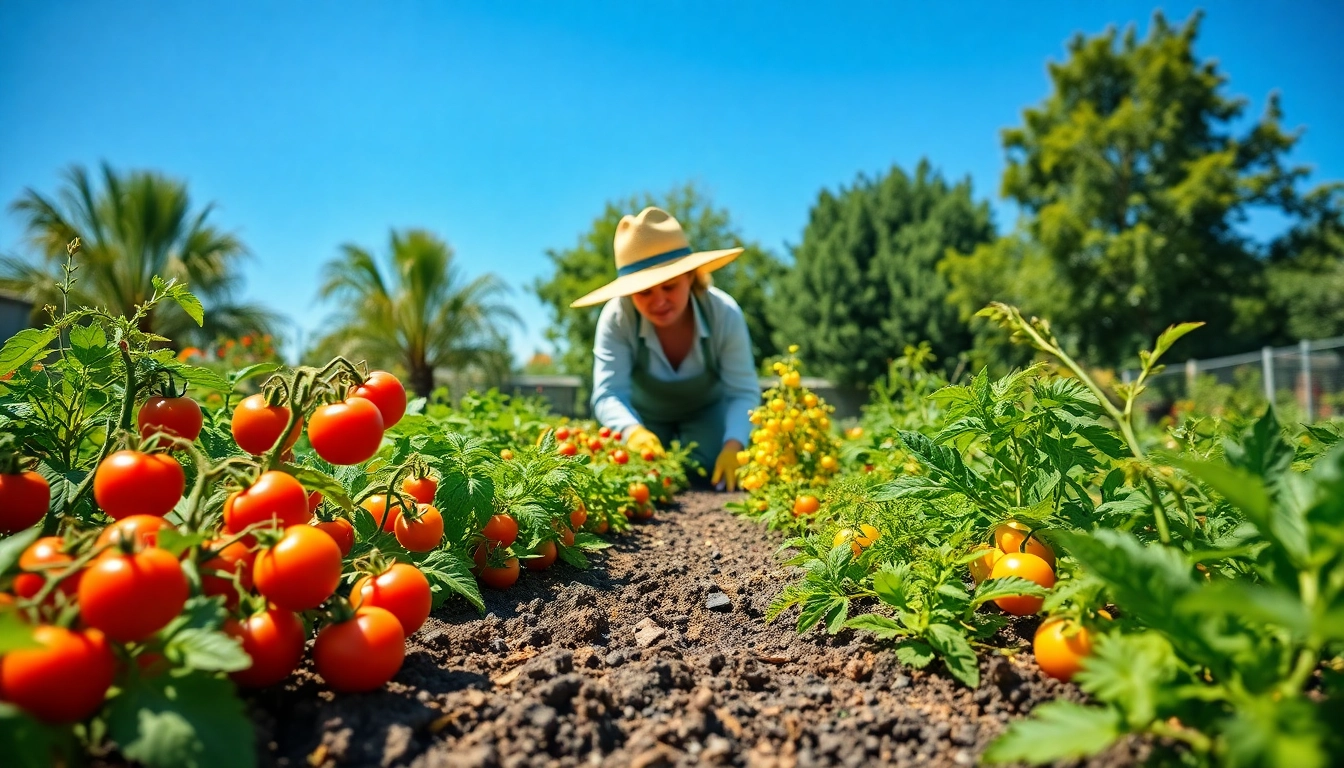
Understanding the Basics of Gardening
Gardening can be seen as both an art and a science, where individuals strive to cultivate plants, flowers, and fruits for their beauty, utility, and enjoyment. This age-old practice not only enriches our environment but also contributes significantly to our overall well-being. Engaging in Gardening allows us to understand nature's laws while providing a productive outlet for creativity. In this section, we will explore the fundamental aspects of gardening, including its benefits to health, essential tools, and more.
What is Gardening?
At its core, gardening is the practice of growing and cultivating plants, whether for decorative purposes, food production, or other utilitarian benefits. The scope of gardening is extensive, ranging from small home gardens to extensive landscapes. A garden can be a single pot on a windowsill or a sprawling area filled with various plant species. Ultimately, gardening is an expression of personal creativity, ecological stewardship, and sustainable living.
The Benefits of Gardening for Health
Gardening provides numerous health benefits that extend beyond just fresh produce. Engaging in gardening activities can improve physical health by promoting exercise, flexibility, and strength as one digs, plants, and tends to their garden. Moreover, studies suggest that spending time in nature has mental health advantages, including reduced stress and anxiety levels. The act of nurturing plants can also create a sense of achievement and purpose, enhancing overall mental well-being.
Essential Tools for Gardening
To embark on your gardening journey, several essential tools are needed to facilitate the process. These include:
- Hand Trowel: Perfect for digging small holes and transplanting seedlings.
- Pruners: Used for trimming and shaping plants to promote healthy growth.
- Garden Fork: Ideal for turning soil and mixing in compost.
- Rake: Helps in leveling soil and gathering debris.
- Watering Can: Effective for watering plants with precision.
By equipping yourself with quality tools, you can ensure a more enjoyable and efficient gardening experience.
Choosing the Right Plants for Your Garden
Selecting the right plants is vital to the success of your garden. It involves understanding local climates, soil types, and the specific needs of various plants. The decision between native and non-native plants, seasonal planting considerations, and companion planting techniques all play integral roles in creating a healthy garden.
Native vs. Non-Native Plants
Native plants are those that are indigenous to a particular region, adapted to the local climate, soil, and ecosystem. They provide shelter and food for native wildlife, promote biodiversity, and often require less care. Non-native plants, while sometimes more vibrant or exotic in appearance, can become invasive and disrupt local ecosystems. It's recommended to prioritize native species for a more sustainable gardening approach.
Seasonal Planting Considerations
Understanding your gardening zone and the corresponding seasonal changes is crucial for optimal growth. Different plants prefer different seasons. For instance, some vegetables thrive in cooler weather while others require warmth to flourish. Therefore, knowing when to plant, when to harvest, and how to care for plants throughout the seasons is essential for successful gardening.
Using Companion Planting Techniques
Companion planting is a method of optimizing garden space by pairing plants that support each other’s growth. For example, planting basil next to tomatoes can enhance the flavor of the tomatoes and deter pests. Utilizing companion planting not only maximizes space but also fosters a healthier ecosystem within the garden.
Soil Preparation and Maintenance
The foundation of a thriving garden lies in the quality of the soil. Proper soil preparation and maintenance ensure that your plants have the nutrients and environment needed to flourish.
Testing Soil Quality
Before planting, it's crucial to test your soil's pH and nutrient levels. Soil testing kits are readily available at garden centers and provide valuable insights into what amendments might be necessary. Knowing whether your soil is acidic, neutral, or alkaline helps guide your plant selection and amendment choices.
Essential Nutrients for Gardening
Plants require various nutrients to grow healthy and strong, the primary macronutrients being nitrogen, phosphorus, and potassium. While nitrogen promotes leafy growth, phosphorus is essential for root development, and potassium aids in overall plant health. Regularly fertilizing your soil with organic matter, compost, or well-balanced fertilizers can replenish these nutrients, ensuring robust plant growth.
Organic vs. Chemical Soil Amendments
When it comes to amending soil, gardeners often face the choice between organic and chemical options. Organic amendments, such as compost or manure, improve soil structure, promote beneficial microbial activity, and provide essential nutrients in a natural form. In contrast, chemical fertilizers may deliver quick results but can negatively impact soil health over time. Opting for organic amendments is generally recommended for sustainable gardening practices.
Watering Techniques for Optimal Growth
Watering is a critical aspect of gardening, as it directly influences plant health and productivity. Understanding the water needs of various plants and employing efficient watering methods can greatly enhance your gardening success.
Understanding Water Needs of Plants
Different plant types have varying water requirements. For instance, succulents require significantly less water than leafy greens. It's essential to familiarize yourself with the specific needs of your plants to prevent overwatering or underwatering, both of which can lead to poor health and yield.
Efficient Watering Methods
Using efficient watering techniques can save both time and resources. Techniques such as drip irrigation allow water to drip slowly at the roots, minimizing evaporation and runoff. Soaker hoses can also distribute moisture evenly and reduce weeds by keeping the soil surface dry. Adopting these methods not only conserves water but also ensures your plants receive adequate moisture.
Implementing Rainwater Harvesting
Rainwater harvesting is a sustainable technique that involves collecting rainwater for later use in watering gardens. By installing rain barrels or cisterns, gardeners can reduce their reliance on municipal water systems and make the most of natural precipitation. This practice conserves water, reduces utility bills, and provides plants with non-chlorinated water, which is often healthier for plant growth.
Harvesting and Long-term Care in Gardening
Once your plants have grown and flourished, knowing when and how to harvest them is crucial. Additionally, providing ongoing care ensures a sustainable and productive garden year after year.
When and How to Harvest Your Crops
Timing is key when it comes to harvesting crops. Each plant species has specific indicators of ripeness. For instance, tomatoes should be picked when fully colored but still firm, while leafy greens can be harvested when they reach a desirable size. Using clean, sharp tools for harvesting helps prevent damage to the plants and encourages continued production.
Seasonal Care Routines
Gardening care doesn't end with planting. Seasonal routines, such as pruning, fertilizing, and pest control, are essential for maintaining plant health. Preparing your garden for transitions between seasons, such as mulching in winter and weeding in spring, keeps your garden thriving through each phase of growth.
Preparing Your Garden for Off-Season
As seasons change, it's important to prepare your garden for dormancy. This can involve removing dead plant material, adding compost to enrich the soil for the upcoming year, and applying mulch to protect plant roots from harsh conditions. Implementing these practices not only prepares your garden for the off-season but also leads to a more successful harvest in future growing seasons.