Getting Started with Gardening
Gardening is a rewarding pursuit that allows individuals to connect with nature, cultivate food, and beautify their surroundings. Whether you’re aiming to grow vegetables, flowers, or lush landscapes, getting started with gardening requires understanding various fundamental concepts and practices. This guide will take you through the essential components of gardening, the tools you'll need, and the strategies for a thriving garden. A strong grasp of these elements will empower you to create a garden that not only flourishes but also brings joy to your life. If you are excited to dive into this enriching adventure, let’s explore the world of Gardening together.
Understanding Different Types of Gardening
Gardening comes in various forms, each with its own challenges and rewards. Understanding these types can help you choose the right approach for your space and goals.
Vegetable Gardening
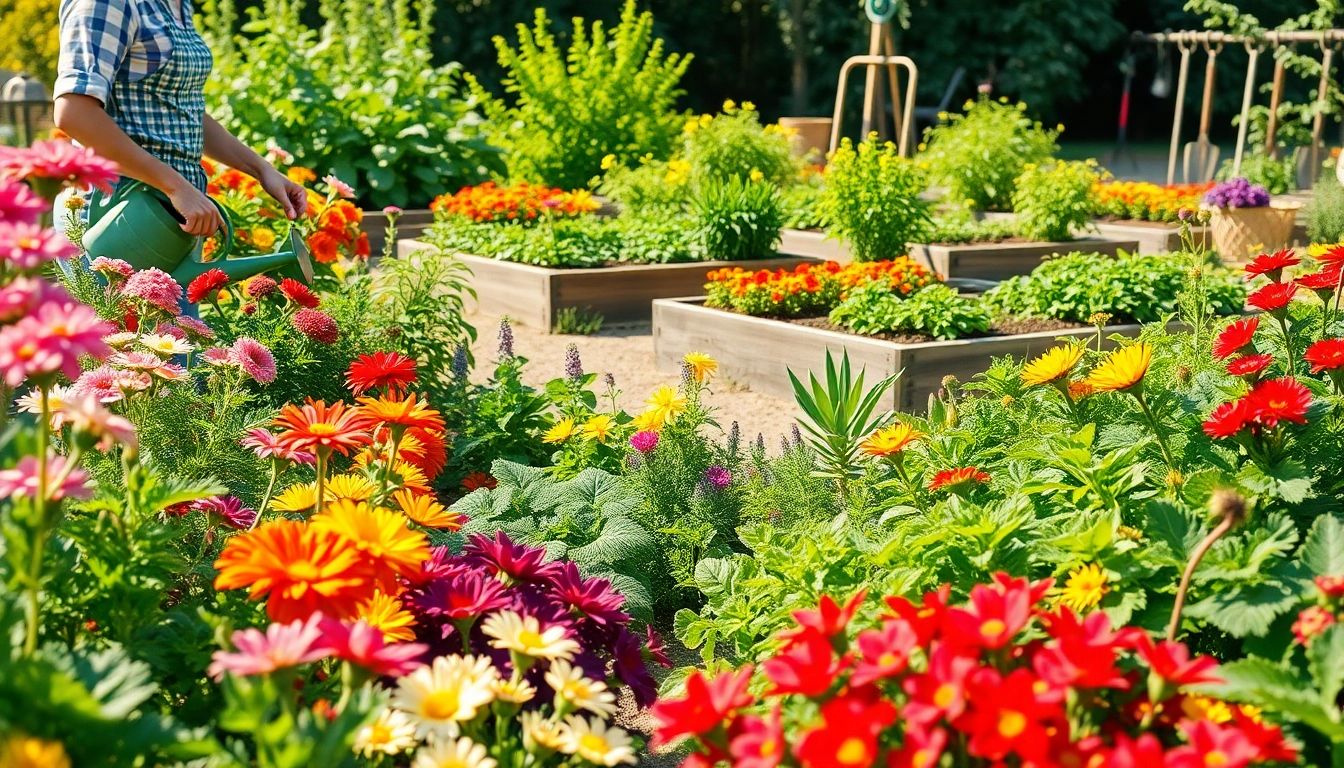
Vegetable gardening focuses on producing edible plants. It’s one of the most popular types of gardening due to its practicality and the satisfaction of consuming home-grown food. Vegetable gardens can be planted in the ground, in raised beds, or even in containers, depending on space and gardening preferences.
Flower Gardening
This type emphasizes growing flowers for beauty and enjoyment. It can range from cultivated flower beds to wildflower gardens. Flower gardening allows for creativity in color, form, and design.
Herb Gardening
Herb gardening is growing aromatic and flavorful plants used in cooking or medicine. Herbs typically require smaller space and can thrive in containers or garden beds.
Potted Gardening
Potted gardening refers to growing plants in containers. This method is particularly useful for urban gardeners without access to traditional garden spaces. It is versatile, allowing gardeners to create mini-gardens indoors or on patios.
Essential Gardening Tools You Need
Equipping yourself with the right tools is a vital step in achieving gardening success. Here’s a rundown of some essential gardening tools:
- Hand trowel: Ideal for digging, planting, and transplanting small plants.
- Pruning shears: Useful for cutting branches and trimming plants to encourage growth.
- Gloves: Protect your hands when handling soil, plants, and tools.
- Watering can or hose: Crucial for watering your plants effectively.
- Rake: Helps in leveling the soil and gathering leaves or debris.
- Shovel: Useful for larger digging projects and moving soil.
Choosing the Right Location for Your Garden
The success of your garden greatly depends on its location. Here are key factors to consider:
- Sunlight: Most plants require at least 6-8 hours of sunlight daily. Observe how the sun moves across your yard during the day and select a spot that receives adequate light.
- Drainage: Ensure the location has good drainage. Poorly drained soil can lead to root rot and other plant diseases.
- Protection from wind: Wind can damage plants, particularly delicate seedlings. Consider using fences or hedges to provide a windbreak.
- Accessibility: Place your garden within easy reach for watering, maintenance, and harvesting.
Preparing Your Garden Bed
Preparation is critical for ensuring your garden is healthy and productive. Here’s how to get your garden bed ready:
Soil Types and Their Importance in Gardening
The foundation of any garden is the soil. Different soil types can greatly affect plant growth.
- Sandy Soil: Drains quickly and warms up fast but lacks nutrients.
- Clay Soil: Retains water but can become compacted, making drainage difficult.
- Loamy Soil: A balanced mix of sand, silt, and clay, loamy soil is ideal for most plants as it retains moisture while providing good drainage.
- Silty Soil: Rich in nutrients yet prone to erosion, silty soil holds moisture well.
How to Amend Soil for Optimal Growth
To ensure your soil contains the necessary nutrients for plant growth, consider amending it using organic materials like compost, peat moss, or well-rotted manure. Here's a simple guide to amend soil:
- Test your soil: Use a soil test kit to determine pH and nutrient levels.
- Add organic matter: Incorporate compost into your soil to improve texture and provide nutrients.
- Adjust pH if necessary: Based on your soil test, add lime to raise pH or sulfur to lower it.
- Till the soil: Mix the amendments into the top 12 inches of soil to blend well.
Building Raised Garden Beds: Step-by-Step Guide
Raised garden beds provide better drainage, improved soil quality, and can help reduce weeds. They also offer a more accessible gardening option for those with mobility issues. Here’s how you can build your own raised garden bed:
- Choose the right location: A spot that gets ample sunlight is ideal.
- Select materials: Common options include wood, bricks, or even recycled materials.
- Construct the frame: The bed can be built to any size, but a common size is 4 feet wide by 8 feet long, with a height of 1-2 feet.
- Fill with soil: As you fill the bed, consider a mix of topsoil, compost, and other organic matter for rich growth.
- Plant your seeds or transplants: Consider the spacing needs and growth habits of your chosen plants.
Selecting the Right Plants
Choosing the right plants is essential for a thriving garden. This section explores how to select the ideal plants for your gardening goals.
Understanding Plant Hardiness Zones
Plant hardiness zones provide crucial information about the climate conditions of your area, helping you select plants that can thrive in your local environment. The USDA hardiness zone map divides regions based on the average annual minimum winter temperature. Here are ways to utilize hardiness zones:
- Research your zone: Look up your zone through the USDA map to understand your climate.
- Select plants accordingly: Choose plants labeled for your zone or one zone lower for safety.
Best Vegetables for Beginners in Gardening
Starting with vegetables that are easy to grow can boost confidence and satisfaction in your gardening journey. Here are some of the best vegetables for beginners:
- Radishes: Fast-growing and can be harvested in four weeks.
- Lettuce: Simple to sow and yields plenty of fresh leaves.
- Zucchini: Low-maintenance with high productivity.
- Carrots: Sown directly in the ground and require little attention once established.
- Tomatoes: A favorite amongst gardeners that can yield abundantly in sunny positions.
Choosing Flowers for Continuous Blooms
To enjoy a vibrant garden throughout the growing season, select a variety of flowers that bloom at different times. Here are tips for continuous blooming:
- Plant in layers: Include spring bulbs, summer perennials, and late bloomers to create a staggered bloom cycle.
- Consider height: Place taller plants in the back and shorter ones in the front for aesthetic appeal.
- Soil conditions: Ensure that each flower type is planted in its preferred soil conditions.
Maintaining Your Garden
A flourishing garden requires ongoing care and attention. Here are key aspects of garden maintenance:
Watering Techniques for Healthy Growth
Watering is crucial for plant health, particularly during dry spells. Employ the following techniques to ensure deep and effective watering:
- Water early or late: Early morning or late evening is the best time to water while minimizing evaporation.
- Deep watering: Encourage roots to go deeper by watering less frequently but with more volume.
- Use mulch: Applying mulch around plants can help retain moisture in the soil.
Common Pests and How to Manage Them
Pest management is an essential aspect of gardening. Here’s how to identify and mitigate common pests:
- Aphids: Look for small, green insects on plants. Consider natural predators like ladybugs or neem oil as solutions.
- Slugs: These can be deterred using copper barriers or salt traps.
- Whiteflies: Use insecticidal soap or introduce beneficial insects, like wasps.
The Importance of Mulching in Gardening
Mulching is a practice that involves covering the soil surface around plants with organic or inorganic materials. Here’s why mulching is important:
- Moisture retention: Mulch helps keep moisture in the soil, reducing the need for frequent watering.
- Weed suppression: A thick layer of mulch can prevent weed growth, saving you time and effort.
- Soil enrichment: Organic mulch breaks down over time, adding nutrients back into the soil.
Harvesting and Enjoying Your Garden
After all your hard work in the garden, it’s important to know when and how to enjoy the fruits of your labor. Here’s what to keep in mind:
When to Harvest Different Crops
Timing is critical when it comes to harvesting. Each crop has a specific window for optimal flavor and texture. Some tips include:
- Fruits: Harvest when they have reached full color and firmness.
- Vegetables: Leafy greens can be cut continuously; root vegetables need to be pulled when they've reached sufficient size.
- Check seed packets: They often provide harvesting guidelines based on crop types.
Storing and Preserving Your Harvest
Proper storage and preservation will extend the shelf life of your harvest. Here are techniques for effective storage:
- Refrigeration: Many vegetables last longer when refrigerated, while others like potatoes and onions prefer cool, dark places.
- Canning: Preserve your harvest by canning fruits and vegetables for year-round enjoyment.
- Freezing: Blanch vegetables before freezing to maintain flavor and nutritional content.
Sharing the Joy of Gardening with Others
Gardening is a joyful endeavor meant to be shared. Consider the following ways to engage with others:
- Gifts: Share your excess produce with neighbors or friends.
- Community gardens: Get involved in local gardening projects that unite gardeners for a collective cause.
- Social media: Share your gardening journey and insights through blogs or platforms dedicated to plant enthusiasts.
Gardening serves as both a hobby and a powerful means of connecting with nature and improving one’s well-being. By following the tips in this guide, you’ll be well on your way to cultivating a productive and delightful garden.