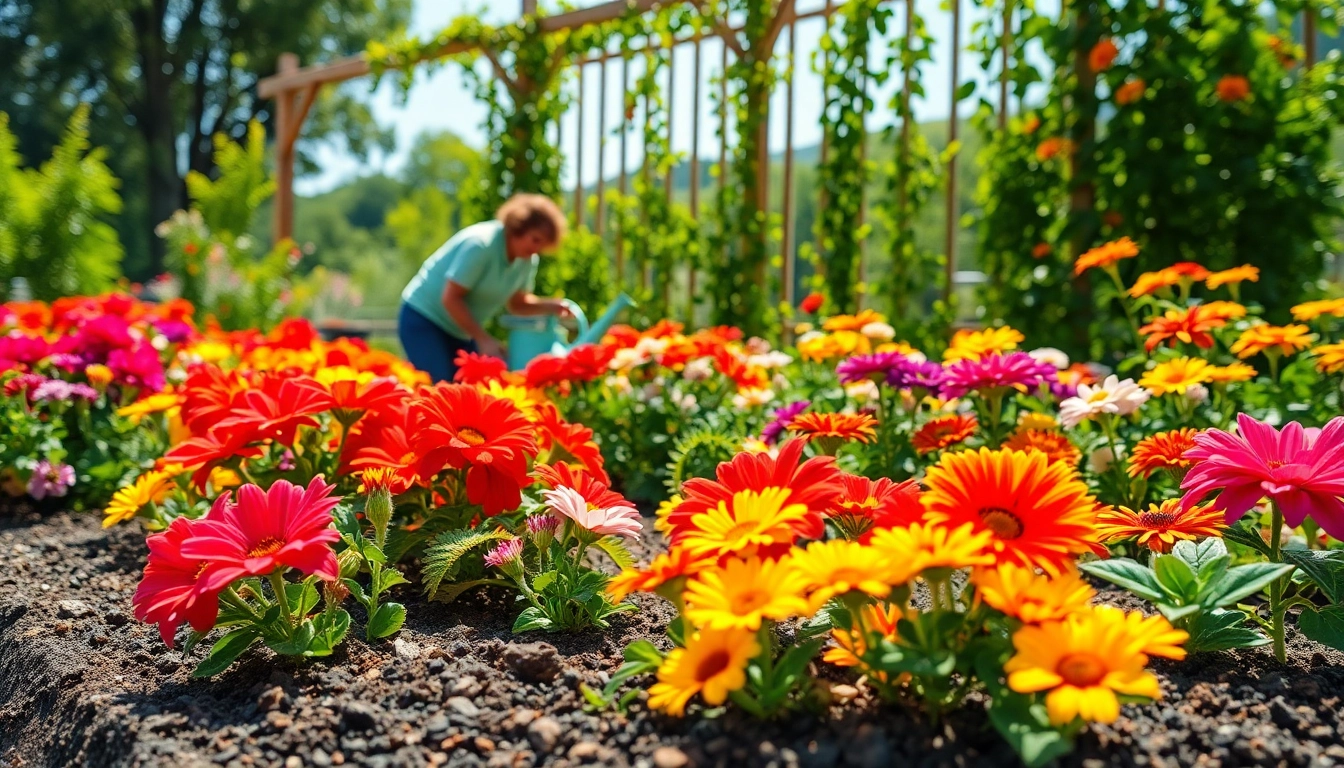
Understanding Gardening Basics
Gardening is not just a hobby; it is a passion that connects us with nature and allows us to cultivate beauty and sustenance right in our backyards. Whether you are new to this thriving activity or are looking to refine your skills, understanding the fundamental components of Gardening is essential for success. This in-depth guide will explore the basics, helping you lay a strong foundation for your gardening journey.
The Importance of Soil Quality
Soil quality is often the unsung hero of a flourishing garden. It serves as the foundation where plants derive their nutrients and stability. The right soil composition not only supports plant structure but also fosters a healthy ecosystem for microorganisms that contribute to soil fertility.
To evaluate soil quality, consider the following factors:
- Texture: Soil texture refers to the relative proportions of sand, silt, and clay. Ideally, a loamy soil blend is most conducive for plant growth.
- pH Level: The acidity or alkalinity of soil affects nutrient availability. Most plants thrive in a neutral pH range of 6 to 7.
- Nutrient Content: Essential nutrients like nitrogen, phosphorus, and potassium play critical roles in plant health.
- Organic Matter: Adding compost or aged manure significantly improves soil fertility and structure.
Conducting a soil test will provide a clear picture of your soil quality, enabling you to amend and improve it, which is vital for successful gardening.
Selecting the Right Plants
Choosing the right plants is crucial for any garden. Not only should they complement the local climate and soil conditions, but their growth habits and aesthetic appeal matter as well. A good rule of thumb is to follow these steps:
- Understand Your Climate: Familiarize yourself with your local climate zone to make informed choices about plant varieties.
- Consider Seasonal Variability: Incorporating both annuals and perennials allows for continuous blooms throughout the seasons.
- Choose Native Plants: Native species tend to be more resilient and adapted to your local environment, requiring less maintenance.
- Explore Plant Heights and Colors: A diverse range of heights, colors, and textures can create visual interest and harmony in your garden.
Engaging with local nurseries and gardening experts can provide valuable insights into selecting plants tailored to your specific needs and preferences.
Essential Gardening Tools for Every Enthusiast
Having the right tools at your disposal can significantly ease your gardening tasks and enhance your overall experience. Here are some must-have tools for both novice and seasoned gardeners:
- Hand Trowel: Ideal for planting, transplanting, and weeding small areas.
- Pruning Shears: Essential for trimming and managing plant growth effectively.
- Garden Fork: Useful for loosening soil and aerating garden beds.
- Watering Can: A necessity for providing consistent moisture to your plants.
- Gloves: Protect your hands while working in the soil and handling thorny plants.
Investing in high-quality tools not only improves efficiency but also reduces the risk of injury and fatigue during gardening tasks.
Planning Your Garden Space
Effective garden planning can make a significant difference in the outcome of your gardening endeavors. A well-structured garden maximizes space, enhances plant health, and makes maintenance easier.
Creating an Efficient Layout
Before sowing seeds or planting seedlings, designing a garden layout is essential.
Here are some practical tips for creating an efficient garden layout:
- Map It Out: Create a scale drawing of your garden space to visualize where each plant will go.
- Group by Category: Planting similar types of plants together can simplify care and create a more aesthetically pleasing arrangement.
- Consider Height and Spread: Taller plants should be located at the back of garden beds to prevent shading smaller plants.
- Leave Pathways: Allow for paths to provide access for maintenance and harvesting while minimizing soil compaction.
Maximizing space through careful planning leads to healthier plants and more productive gardens, while also minimizing waste.
Sunlight and Water Needs
Understanding the sunlight and water requirements of your plants is pivotal for their success. While some plants thrive in full sun, others may prefer partial shade or full shade.
To assess the sunlight needs:
- Observe Your Space: Note how sunlight moves across your garden throughout the day to identify areas of direct sunlight versus shade.
- Group Plants Accordingly: Cluster plants with similar sunlight needs to ensure they receive appropriate light exposure.
- Monitor Moisture Levels: Regularly check soil moisture by feeling it with your fingers. Overwatering and underwatering can both be detrimental.
A well-planned approach to sunlight and water management will promote healthy plant growth and an abundant harvest.
Using Containers and Raised Beds
Container gardening and raised beds are two popular techniques that can enhance your gardening experience, especially for those with limited space.
Container Gardening:
- Versatility: Containers can be placed on patios, balconies, or other small spaces.
- Control: They allow greater control over soil quality and moisture levels.
Raised Beds:
- Improved Drainage: Raised beds can prevent soil compaction and improve drainage.
- Accessibility: Elevated beds may reduce strain on the back, making gardening more accessible for many.
Both approaches can contribute to successful gardening while also accommodating specific needs and preferences.
Best Practices in Gardening Techniques
Implementing effective gardening practices is key to fostering a healthy and productive garden. Below, we explore some widely-recognized techniques that can help facilitate success in your gardening efforts.
Organic Gardening Methods
Organic gardening focuses on growing plants without the use of synthetic fertilizers or pesticides, which is better for the environment and human health.
Core principles include:
- Soil Health: Building healthy soil through composting and natural amendments enriches nutrients and promotes biodiversity.
- Pest Management: Using natural repellents, traps, and beneficial insects can help manage pest populations without chemical interventions.
- Crop Rotation: Rotating crops each season minimizes soil depletion and prevents pest build-up.
By embracing organic methods, gardeners can enjoy a more sustainable approach while providing safe food for their families.
Pest Management Strategies
Managing pests in the garden is an ongoing challenge for any gardener.
Effective strategies incorporate:
- Regular Monitoring: Check plants frequently for early signs of pests or diseases to take immediate action.
- Cultural Practices: Techniques such as crop rotation, companion planting, and mixed planting can deter pests naturally.
- Natural Predators: Attract beneficial insects like ladybugs and lacewings that prey on common garden pests.
- Pesticides Only as a Last Resort: If needed, choose organic or biodegradable options that minimize harm to beneficial insects and the ecosystem.
Maintaining a vigilant and informed approach can help mitigate infestations and protect the integrity of your garden.
Seasonal Gardening Tips
Gardening requires adaptability to changing seasons. Understanding seasonal needs helps ensure continuity and success in the garden.
Key seasonal tips include:
- Spring Planting: Focus on soil preparation and planting early crops like peas and lettuce that thrive in cooler temperatures.
- Summer Maintenance: Regular watering and mulching are critical during the hotter months, as well as staking tall plants to prevent collapse.
- Fall Harvesting: Time to gather the fruits of your labor and also plant winter cover crops for soil health.
- Winter Preparation: Protect plants with mulch or row covers and plan the next planting season by researching new varieties and methods.
Recognizing and responding to seasonal shifts can heighten both productivity and enjoyment of the gardening process.
Exploring Advanced Gardening Concepts
Once you are comfortable with the basics of gardening, delving into advanced concepts can enhance your skills and transform your gardening experience.
Permaculture Principles
Permaculture is a holistic design philosophy that promotes sustainable and self-sufficient agricultural systems. Concepts include:
- Natural Ecosystems: Design gardens that mimic natural ecosystems, thereby creating a self-sustaining environment for plants and wildlife.
- Resource Conservation: Practices like rainwater harvesting and composting exemplify permaculture’s emphasis on efficiency and sustainability.
- Diversity is Key: Implementing diverse planting strategies increases resilience against pests, diseases, and environmental changes.
To apply permaculture principles, start small and gradually integrate these ideas into your gardening practices for lasting results.
Companion Planting Techniques
Companion planting involves pairing plants that mutually benefit one another, resulting in a more productive garden.
Examples of effective companion planting:
- Tomatoes and Basil: Basil helps deter pests from tomatoes while enhancing their flavor.
- Carrots and Onions: Together, they naturally repel root flies that would otherwise harm either crop.
- Beans and Corn: Beans fix nitrogen into the soil, benefiting the corn while utilizing its stalks for support.
Researching compatible plants and their benefits can help you create a harmonious garden ecosystem.
Harvesting and Storing Your Produce
After dedicating time and effort to your garden, harvesting and storing your produce wisely ensures nothing goes to waste.
Key harvesting tips:
- Timing is Everything: Harvesting at peak ripeness maximizes flavor and nutrition.
- Gentle Handling: Avoid bruising or damaging fruits and vegetables during harvest.
Storage recommendations:
- Cool and Dark: Most vegetables prefer cooler temperatures and low light for preservation.
- Freezing and Canning: Consider these methods for long-term preservation and easy access throughout the year.
Proper harvesting and storage techniques help you savor the fruits of your labor all season long.
Connecting with the Gardening Community
Embarking on a gardening journey can be immensely fulfilling when shared with others. Connecting with the gardening community offers support, knowledge, and camaraderie.
Finding Local Gardening Clubs and Resources
Local gardening clubs and organizations provide excellent opportunities for collaboration, learning, and sharing resources.
To get involved:
- Research Local Clubs: Many regions have clubs that host meetings, events, and educational programs.
- Community Gardens: Joining a community garden allows you to share space and collaborate as you grow together.
- Workshops and Classes: Look for offered classes on specific topics or techniques that can enhance your skills.
By engaging with established communities, new gardeners can discover invaluable experiences and expertise.
Sharing Your Gardening Journey Online
In today’s digital age, sharing your gardening experiences online can foster connections with like-minded individuals. Platforms like social media, blogs, and forums offer great spaces to share insights and gain support.
Tips for sharing:
- Document Your Progress: Regularly share photos and updates to showcase your successes and challenges.
- Engage with Others: Commenting on and sharing others' posts creates a sense of community and promotes learning.
- Start a Blog: Consider a blog to delve deeper into specific gardening topics or personal stories.
Online gardening communities provide motivation and encouragement while expanding your gardening knowledge.
Participating in Gardening Events and Workshops
Engaging in local gardening events and workshops allows you to learn firsthand from experienced gardeners while connecting with your community.
Consider attending:
- Garden Shows: These events showcase a variety of plants, tools, and gardening methods, offering inspiration.
- Workshops and Demonstrations: Look for hands-on events that focus on specific techniques, such as composting or propagating plants.
- Plant Swaps: Participate in local plant swaps to diversify your garden without additional costs.
Not only do these events enhance your gardening skills, but they also bolster friendships with fellow gardening enthusiasts.