Getting Started with Gardening Basics
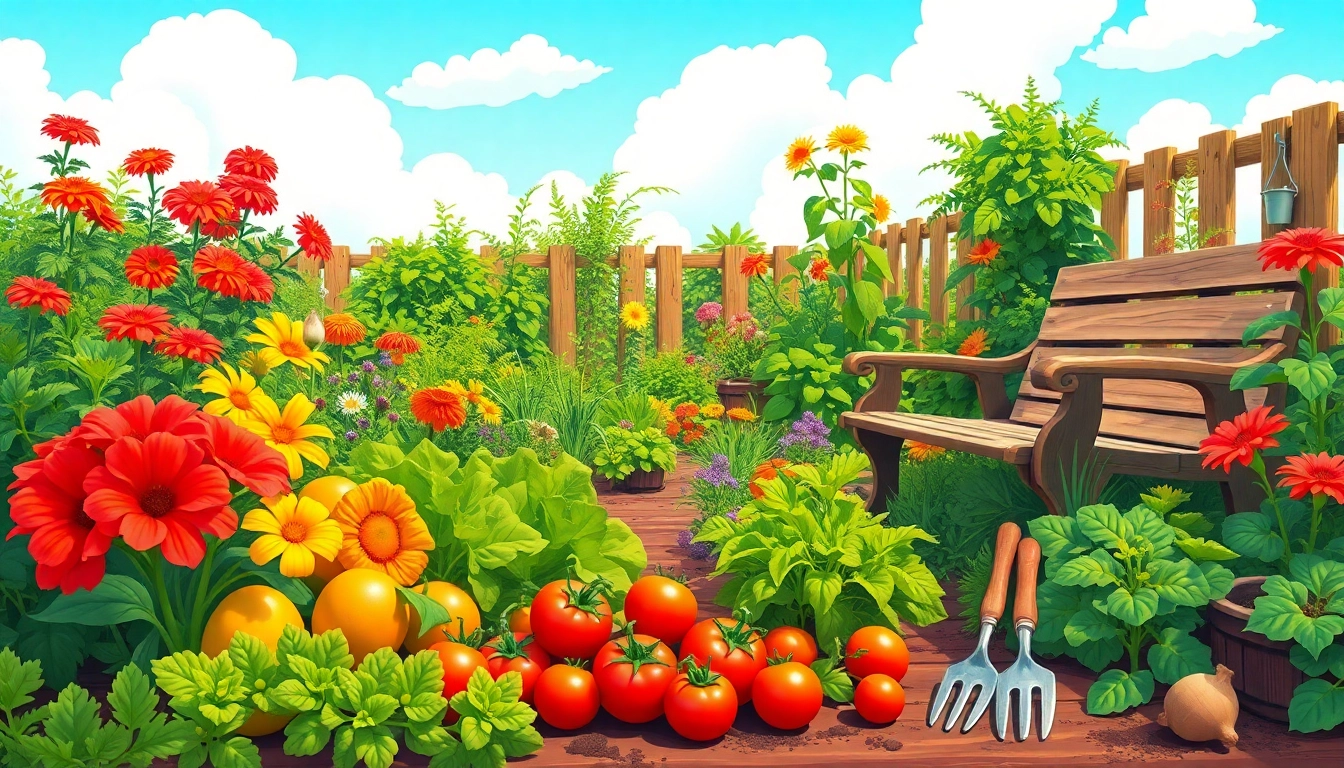
For many, the allure of Gardening lies in the creativity, the connection to nature, and the satisfaction of harvesting food or flowers grown by one's own hands. Whether you're a novice wanting to plant your first seeds or an experienced green thumb looking to refine your skills, understanding the fundamentals of gardening is essential. This guide provides a comprehensive overview, aiming to equip you with the knowledge for cultivating thriving gardens.
Understanding Gardening Fundamentals
At its core, gardening involves the art and science of growing a variety of plants—be it vegetables, herbs, flowers, or shrubs. It’s essential to grasp the concept that gardening encompasses not only cultivation but also involves soil management, pest control, and appropriate plant selection.
Gardening is both a therapeutic activity and a practical means to enhance your environment. By understanding your local ecosystem, including climate, soil, and potential pests, you can tailor your gardening approach, which ultimately leads to a more successful gardening experience.
Selecting the Right Plants for Your Environment
The first step in your gardening journey is selecting the right plants for your specific environment. Factors such as climate zone, sunlight availability, and soil type play a critical role in this decision. Start with assessing your local USDA Plant Hardiness Zone, which indicates which plants will thrive in your area. Additionally, consider whether you want to grow annuals (plants that complete their life cycle in a year) or perennials (plants that live for multiple years).
Research native plants, as they adapt well to local conditions and typically require less maintenance. If you're venturing into vegetable gardening, choose varieties suited to your growing season. Understanding these variables will bolster your confidence and increase your chances of success.
Necessary Gardening Tools and Their Uses
No gardener can thrive without the right set of tools. Investing in quality equipment can significantly ease the labor involved in gardening. The essentials typically include:
- Hand trowel: Perfect for digging, planting, and transplanting.
- Pruning shears: Used for cutting back plants, deadheading flowers, and maintaining your garden’s shape.
- Garden fork: Handy for turning soil and breaking up compacted earth.
- Rake: Useful for leveling soil and removing debris.
- Watering can/hose: Vital for providing hydration to plants.
As you progress in your gardening journey, you may want to explore more specialized tools, such as soil testers, compost bins, or raised bed kits, tailored to your gardening ambitions.
Soil Preparation Techniques for Healthy Plants
The foundation for any successful garden lies in its soil. Proper soil preparation will not only enhance plant health but will also improve drainage and nutrient availability.
Understanding Soil Types and Their Properties
Soil types can generally be classified into three main categories: sandy, clay, and loamy. Sandy soil drains quickly but may not hold nutrients effectively. Clay soil retains water but often compacts, which can restrict root growth. Loamy soil is the ideal blend of sand, silt, and clay, offering excellent drainage and nutrient retention.
Analyzing your garden's soil type through a simple jar test can help you determine its composition, guiding you on how to amend it for better plant growth. For instance, incorporating organic matter such as compost or peat moss can significantly enhance soil structure and fertility.
Enhancing Soil Fertility with Organic Matter
The addition of organic matter is a critical step in increasing soil fertility. Composting kitchen scraps, yard waste, and other organic materials provides a source of nutrients while improving soil structure. Aim to create a compost pile with a mixture of carbon-rich materials (browns) such as dried leaves and nitrogen-rich materials (greens) like grass clippings. The result is nutrient-dense compost that can be spread across your garden beds.
Other options include using well-rotted manure or cover crops, which help to replenish soil nutrients when tilled back into the earth. Such practices serve to fortify soil health, leading to healthier, more productive plants.
Tips for Effective Soil Testing
Understanding your soil's nutrient profile is pivotal for successful gardening. Soil testing can reveal pH levels, nutrient availability, and organic matter content. Most local agricultural extensions offer soil testing services; alternatively, you can purchase a home testing kit for quick results.
Once you know your soil's composition, you can amend it accordingly. For example, if your soil is too acidic, you may need to add lime; if too alkaline, sulfur may be necessary. Tailoring your soil’s chemistry ensures plants receive the nutrients they need to thrive.
Watering Strategies for Optimal Growth
Watering efficiently is fundamental for supporting plant life. Over-watering can lead to root rot, while under-watering will stress plants, causing wilting and stunted growth. Mastering the art of watering can make a significant difference in your gardening success.
Different Watering Methods Explained
Various watering methods exist, each with its advantages based on garden type and scale:
- Hand watering: Ideal for small gardens or potted plants, allowing you to control water flow.
- Drip irrigation: Provides water directly to the plant root zone, reducing evaporation and runoff.
- Soaker hoses: Efficient for rows of vegetables, allowing slow soaking of the soil.
- Sprinkler systems: Best for larger areas but should be timed appropriately to avoid unnecessary water loss.
Understanding your garden's specific needs can help you choose the most effective method for watering.
Creating a Watering Schedule
Establishing a watering schedule is key to keeping your garden healthy. Factors to consider include the time of year, type of plants, and weather conditions. Generally, vegetables require more water during their growth phase than established perennials.
A good rule of thumb is to water in the early morning or late afternoon when temperatures are cooler, reducing evaporation. Aim for 1 to 1.5 inches of water per week, depending on rainfall, and adjust based on soil moisture levels. Using mulch around plants conserves moisture and enhances soil health.
Impacts of Overwatering and Underwatering
Achieving the right balance of moisture is crucial for plant health. Overwatering can suffocate the roots and promote fungal diseases, leading to plant decline. Common signs of overwatering include yellowing leaves and wilting. Conversely, underwatering can lead to dry, brittle leaves and stunted growth, making it essential to observe plants regularly for signs of stress.
Adjusting your watering routine based on environmental conditions can help mitigate these issues, ensuring your plants receive the right amount of hydration.
Pest and Disease Management in Gardening
Even with the best cultivation practices, pests and diseases may threaten your garden. Understanding what to look for and developing a management plan can protect your plants and enhance recovery.
Identifying Common Garden Pests
Common pests such as aphids, caterpillars, and beetles can wreak havoc on your plants. Recognizing early signs of pest infestations is key for management. Look for discolored leaves, holes, or visible insects when inspecting your garden.
Regular monitoring allows you to catch infestations before they become significant problems. Sticky traps and natural repellants are effective options for maintaining pest control.
Natural Pest Control Solutions
Utilizing natural pest control methods is preferable for both the environment and the longevity of your garden. Some popular strategies include:
- Companion planting: This technique involves planting certain species together to deter pests naturally.
- Beneficial insects: Ladybugs and lacewings can help keep pest populations in check.
- Neem oil: This natural pesticide disrupts the life cycle of pests without harming beneficial insects.
Employing these methods creates a balanced ecosystem in your garden, promoting plant health while deterring pests effectively.
Preventing Plant Diseases Effectively
Preventing diseases requires vigilance and timely action. Proper spacing between plants improves airflow, minimizing humidity levels that foster disease. Rotate crops annually to prevent soil-borne diseases. Implementing integrated pest management (IPM) techniques can help avoid a heavy reliance on chemical pesticides, leading to a healthier garden.
Incorporating disease-resistant plant varieties can make a significant difference when minimizing potential issues. If disease does strike, early intervention with fungicides or other appropriate treatments will enhance recovery options.
Advanced Gardening Techniques for Experienced Gardeners
For those who have mastered the basics, advanced gardening techniques can optimize your yields and overall gardening experience. Exploring complex methods may also foster a deeper understanding of your garden's ecosystem.
Implementing Crop Rotation for Better Yields
Crop rotation involves alternating the types of crops grown in specific areas of your garden each season. This practice minimizes soil depletion and helps prevent the buildup of pests and diseases associated with particular plant families. Planning a rotation system ensures soil nutrients are replenished appropriately for sustained growth.
By rotating crops, you can also manage weeds and keep your garden's biodiversity intact, enhancing both plant health and yield over the years.
Sustainable Gardening Practices to Consider
Sustainability in gardening goes beyond personal benefits; it impacts the wider community. Practices such as permaculture, organic gardening, and xeriscaping help conserve resources while producing healthy food and flowers.
For instance, permaculture focuses on creating self-sustaining ecosystems, while xeriscaping involves designing landscapes that require minimal irrigation. Both methods can contribute to ecological health while satisfying the gardener's aesthetic and practical needs.
Innovative Gardening Methods for Limited Spaces
Container gardening, vertical gardening, and hydroponics represent innovative solutions for gardeners with limited spaces. Container gardening allows for flexibility in plant choice and arrangement, while vertical gardening maximizes space through upward growth. Hydroponic systems enable growing plants in nutrient-rich water, eliminating the need for soil altogether.
These methods can create beautiful and productive gardens in confined spaces, proving that even the smallest areas can bloom with life!
Gardening is more than a hobby; it's an exploration of nature, patience, and reward. With the right knowledge, tools, and commitment, anyone can become a successful gardener, enjoying the fruits (and flowers) of their labor.