Understanding Custom Cabinet Options
What are Custom Cabinets?
Custom cabinets are tailored storage solutions specifically designed to meet the unique needs and preferences of individuals and spaces. Unlike pre-manufactured cabinetry, which may come in set dimensions and styles, custom cabinets are crafted to fit specific measurements and can incorporate personalized design elements. From the size and shape to the materials and finishes, every aspect can be adjusted to align with a homeowner's vision. By opting for a custom cabinet, individuals can ensure that their storage not only meets practical requirements but also enhances the overall aesthetic of the space.
Types of Custom Cabinets
When embarking on the journey towards custom cabinetry, understanding the various types available can help streamline the decision-making process. Some common types include:
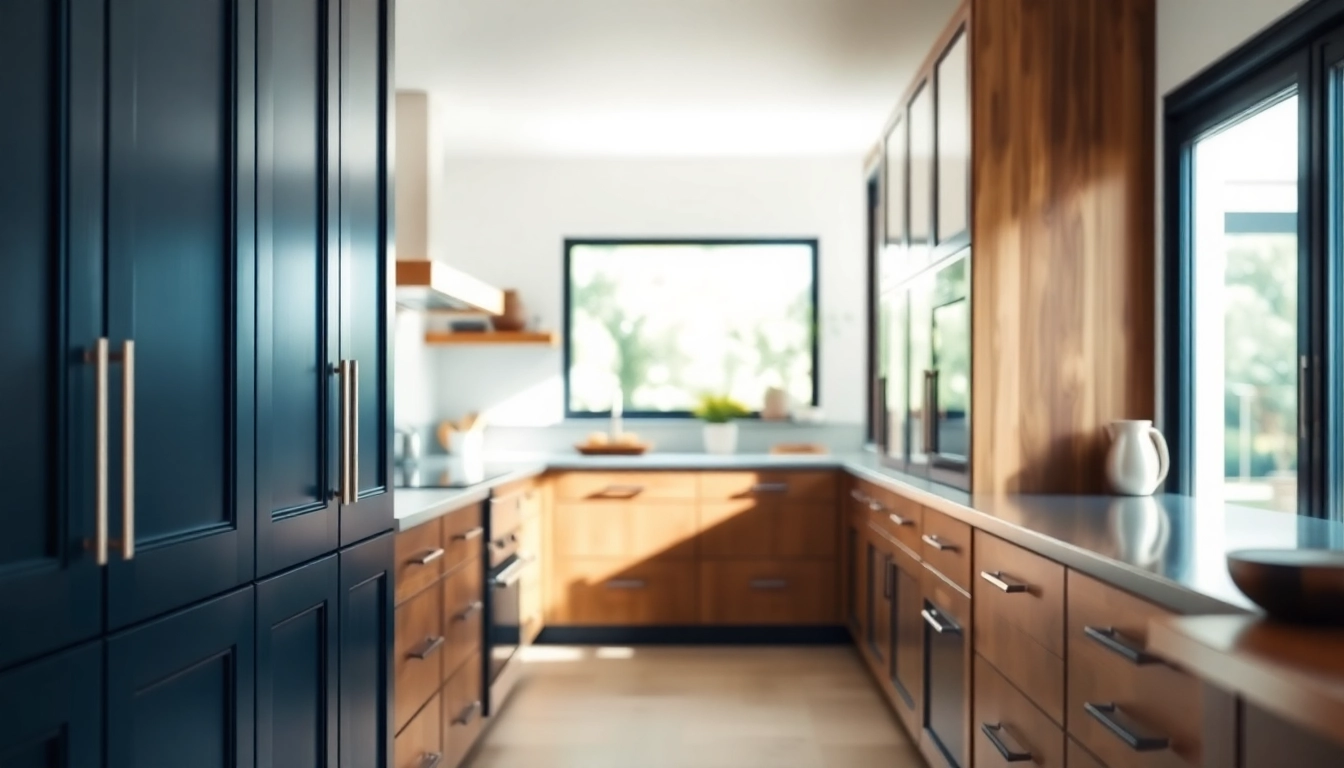
- Kitchens: Designed to optimize space, kitchen cabinets can accommodate appliances, cookware, and food storage.
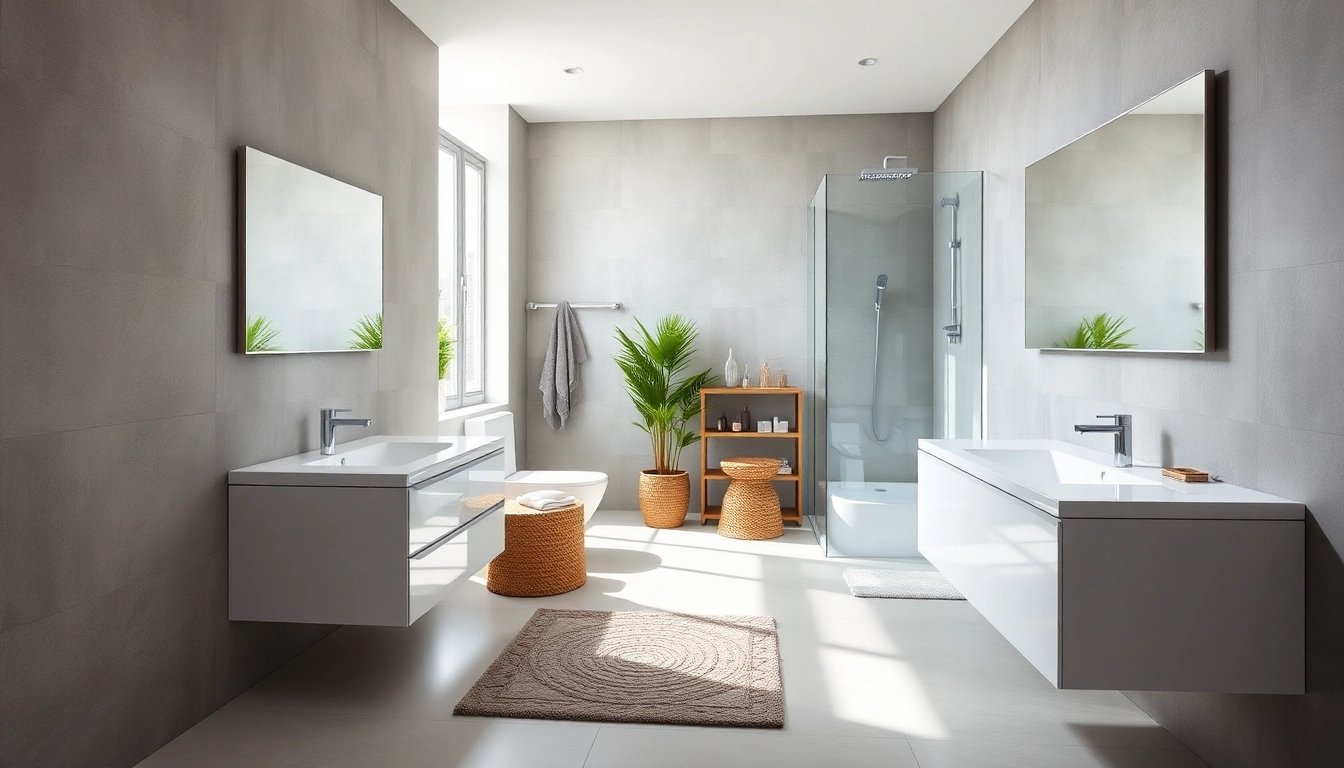
- Bathrooms: These cabinets focus on minimizing clutter while enhancing bathroom design, often incorporating features like built-in shelves for toiletries.
- Laundry Rooms: Custom cabinets in laundry areas provide functional storage for cleaning supplies and linens, often including space for hampers.
- Home Offices: Cabinets designed for home offices can include desks, bookcases, and filing systems to create an organized work environment.
- Entertainment Units: These cabinets can house televisions, gaming systems, and decorative items, making them a focal point in living spaces.
Benefits of Choosing Custom Cabinets
Investing in custom cabinets presents numerous advantages. Some of the most notable benefits include:
- Personalization: Custom cabinets reflect individual style and can be designed to match any theme or decor.
- Optimal Use of Space: They can be designed to fit the exact dimensions of a room, making better use of available space.
- Quality Craftsmanship: Typically constructed from higher-quality materials than pre-fabricated alternatives, leading to improved durability.
- Enhanced Functionality: Homeowners can incorporate features like pull-out shelves, lazy Susans, or specialty compartments tailored for specific items.
Designing Your Custom Cabinet
Choosing Materials and Finishes
The choice of materials and finishes plays a crucial role in the overall look and longevity of custom cabinetry. Common materials include:
- Hardwoods: Such as oak, cherry, or maple, known for their durability and aesthetic appeal.
- Engineered Wood: Options like plywood or particle board that are cost-effective and versatile.
- Laminate: A synthetic material that offers a wide range of color and texture options while being easy to maintain.
Finishes can further enhance the beauty of custom cabinets. Stains, paints, and varnishes can be utilized not only to change the color but also to protect the surface against wear and moisture. A matte finish might work beautifully in modern designs, while a glossy finish might suit more traditional cabinetry.
Incorporating Style into Functionality
Custom cabinets are not just about functionality; they also play an integral role in establishing the style of a space. Various styles can be incorporated:
- Modern: Characterized by clean lines, minimalistic designs, and innovative storage solutions.
- Traditional: Features ornate detailing, raised panel doors, and rich finishes.
- Rustic: Utilizes reclaimed wood and distressed finishes for a warm, cozy feel.
The blend of style and functionality ensures that every aspect of custom cabinets serves a purpose while reflecting the homeowner’s personal aesthetic.
Lighting Considerations for Cabinets
Lighting is a pivotal element often overlooked when designing custom cabinets. Proper lighting enhances both functionality and aesthetics. Options include:
- Under Cabinet Lighting: Provides direct illumination for countertops, ideal for kitchens.
- Interior Cabinet Lighting: Showcases items on display, such as in glass-front cabinets.
- Accent Lighting: Highlights specific areas or features, creating a dramatic effect.
When selecting lighting, consider energy efficiency and the ability to adjust brightness levels for different occasions.
Measuring and Planning for Your Space
How to Measure Spaces Accurately
Accurate measurements are critical to ensuring a seamless fit for custom cabinets. To measure spaces accurately:
- Use a level and tape measure for precision.
- Measure width, height, and depth at multiple points, noting the smallest dimensions.
- Account for any obstructions like windows, doors, or electrical outlets.
Document all measurements for clarity to avoid miscalculations.
Common Mistakes to Avoid
Several pitfalls can arise during the measurement and planning phase. Common mistakes include:
- Neglecting to account for trim or moldings
- Not considering the cabinetry's door swing or clearance
- Failing to assess how furniture and appliances will interact with the cabinets
By being thorough and methodical, homeowners can mitigate these issues effectively.
Visualizing Your Design
Using design software or sketching layouts helps in visualizing placement and style. Many custom cabinet makers offer design consultations where they can create 3D renderings based on your specifications. Visualizing helps in making final adjustments before fabrication begins, ensuring all elements align with expectations.
Installation Process for Custom Cabinets
Preparing for Installation
The preparation phase is crucial for a successful cabinet installation. This includes several steps:
- Clearing the area where cabinets will be installed.
- Checking for level floors and walls to ensure proper installation.
- Gathering tools and supplies, including screws, brackets, and levels.
Ensuring the workspace is ready sets the stage for a smooth installation process.
Steps in the Installation Process
The installation process for custom cabinets typically follows these steps:
- Start with the upper cabinets first to avoid obstruction.
- Use a level to align the cabinets properly.
- Secure cabinets to the wall using brackets and screws.
- Install the base cabinets next, ensuring they are flush with the upper cabinets.
Once installed, check all doors and drawers for proper alignment and functionality.
Post-Installation Care
Once the cabinets are installed, it's essential to care for them to ensure longevity. This includes:
- Cleaning the surfaces with gentle cleansers.
- Avoiding excessive moisture that can warp and damage the materials.
- Conducting periodic inspections to catch any potential issues early.
Proper care maintains their appearance and functionality over the years.
Maintaining Your Custom Cabinet
Cleaning and Upkeep Tips
Regular cleaning is vital for sustaining custom cabinets. Use a soft cloth and mild soap to clean surfaces, avoiding harsh chemicals that could damage finishes. A routine dusting can help maintain the beauty of the materials and prevent dirt buildup.
Repairing Minor Damages
Minor damages, like scratches or dents, can often be repaired at home. For wood surfaces, use a wood filler to fill in scratches and then stain the area to match the original finish. For laminate surfaces, specific touch-up kits can be found that blend well with the original colors.
When to Seek Professional Help
While many maintenance tasks can be accomplished by homeowners, some issues are best left to professionals. Consider seeking assistance for:
- Significant structural damage.
- Complicated repair needs that involve intricate patterns or finishes.
- Updating or replacing entire sections that require expert skills.
Evaluating the extent of damage and required skills before proceeding can save time and ensure a quality outcome.
Frequently Asked Questions About Custom Cabinets
What is the average cost of custom cabinets?
The cost of custom cabinets varies widely depending on materials, size, and design complexity. Typically, budgets range from a few thousand to tens of thousands for high-end options.
How long does it take to build custom cabinets?
Building custom cabinets can take anywhere from a few weeks to several months, depending on the complexity of the design and the manufacturer's workload.
Can I use custom cabinets in non-kitchen areas?
Absolutely! Custom cabinets can enhance any space, including bathrooms, laundry rooms, and home offices, providing tailored storage options.
What materials are best for custom cabinets?
Hardwoods are a popular choice for their durability and aesthetic appeal, but engineered woods and laminates can also provide excellent options based on budget and style.
Are custom cabinets difficult to maintain?
With regular cleaning and minor upkeep, maintaining custom cabinets is straightforward. Proper care ensures they remain functional and beautiful over the years.