Understanding Construction Education
Definition and Importance of Construction Education
Construction education encompasses the knowledge, skills, and training necessary for individuals pursuing a career in the construction industry. This field is critical for developing competent professionals who can manage a range of tasks, from planning and design to project execution and safety management. As the demand for skilled labor grows in the construction sector, engaging in construction education becomes increasingly essential. Companies are in constant search of qualified workers who are equipped not only with technical skills but also with the ability to adapt to evolving technologies and practices.
Key Skills Developed Through Construction Education
Construction education covers a broad spectrum of skills crucial for success in the industry. These include:
- Technical skills: Mastery of building techniques, tools, and materials is foundational.
- Project management: Understanding how to efficiently manage timelines, resources, and budgets.
- Safety regulations: Knowledge of occupational safety standards and best practices ensures a safe work environment.
- Communication: Effective interpersonal skills for collaborating with teams and clients.
- Problem-solving: Analyzing challenges and developing innovative solutions promptly.
Career Opportunities in Construction Education
The scope of career opportunities within construction education is dynamic and diverse. Graduates can pursue various roles, including:
- Construction manager
- Project coordinator
- Safety officer
- Estimator
- Site supervisor
- Contract administrator
Additionally, continuing education pathways can lead to advanced positions in management, consulting, or academia, thereby enhancing overall career prospects.
Core Components of Construction Education Programs
Curriculum Design and Structure
A well-structured curriculum is vital for effective construction education. It should integrate foundational courses in construction principles with advanced topics such as project management, sustainable practices, and technological innovations. Modular formats enable students to specialize in areas like residential, commercial, or industrial construction, allowing for depth in their education.
Hands-On Learning and Practical Experience
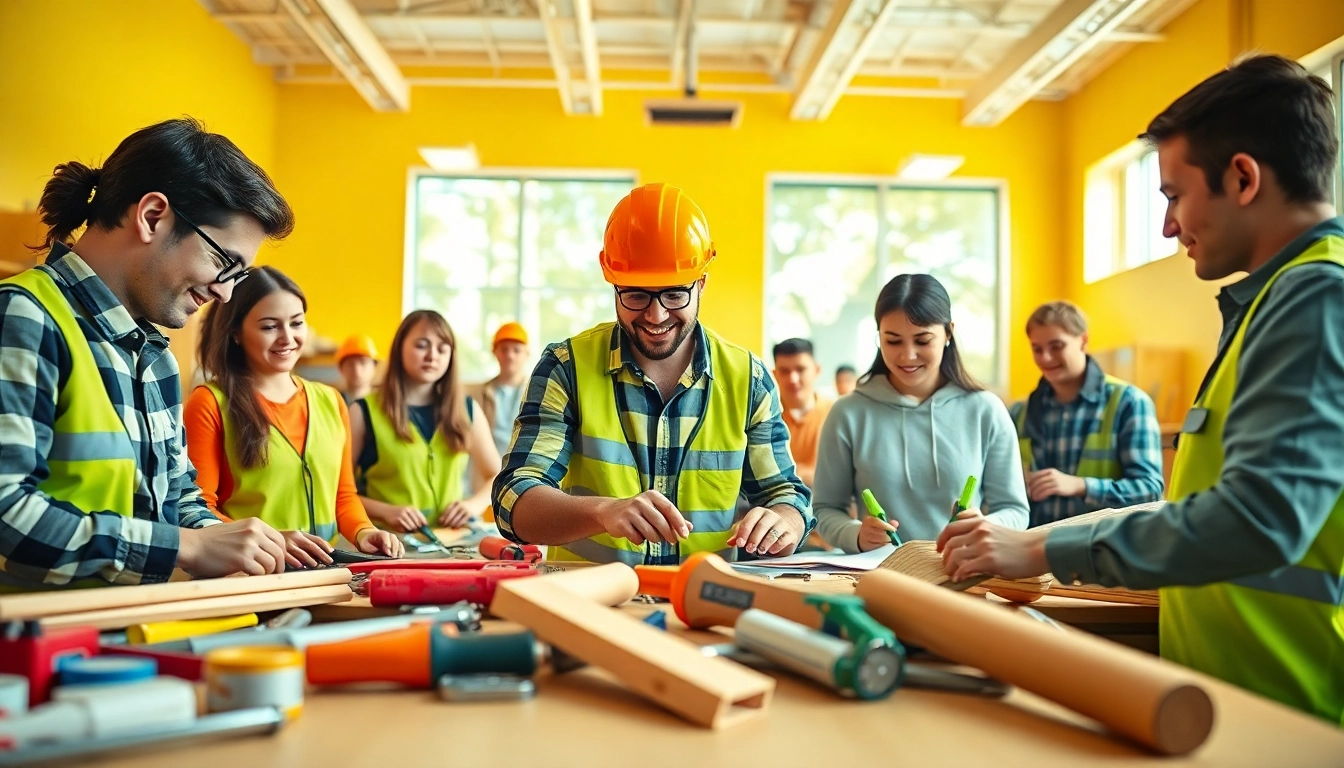
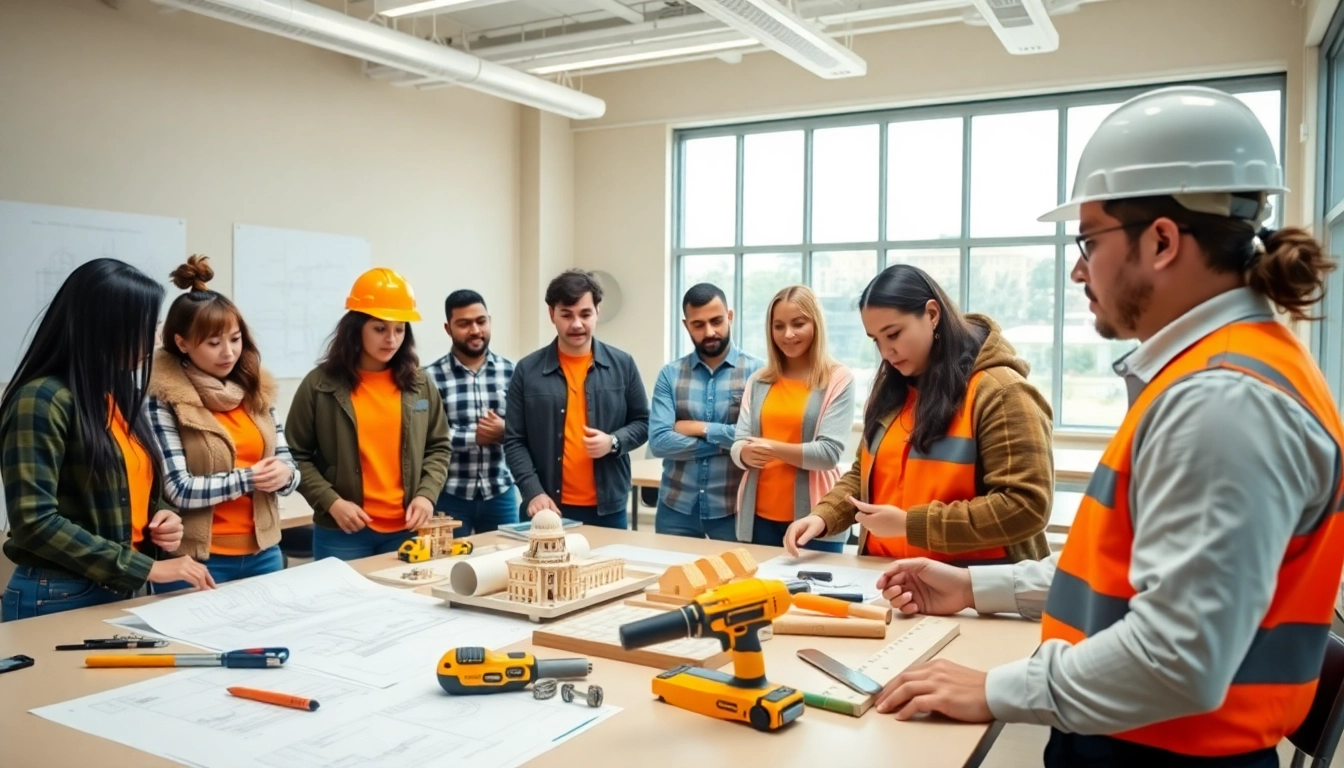
Experiential learning is central to construction education. Programs should facilitate hands-on experiences through internships, apprenticeships, and real-world projects. These opportunities not only enhance technical skills but also provide invaluable insights into managing real-world challenges, such as coordinating with contractors and adhering to budgets.
Certifications and Qualifications Offered
Obtaining industry-recognized certifications significantly boosts a graduate’s employability. Programs may offer certifications in project management (e.g., PMP), safety (e.g., OSHA), and specialized skills (e.g., green building practices). These credentials validate a candidate's expertise and commitment to the field, making them more appealing to potential employers.
Challenges in Construction Education
Addressing Skill Gaps in the Industry
One of the most pressing challenges in construction education is the skill gap prevalent in the industry. Many graduates lack practical experience or are not adequately prepared for the demands of modern construction. Addressing this requires an alignment between educational institutions and the needs of employers, ensuring that curricula evolve alongside industry developments.
Engagement of Students in Learning Processes
Maintaining student engagement within construction education can be challenging, particularly in traditional lecture-based formats. Incorporating interactive elements such as simulations, group projects, and discussions can enhance learning experiences and keep students invested in their education.
Funding and Resource Allocation
Resource limitations can hinder the effectiveness of construction education programs. Institutions often struggle with inadequate funding for facilities, materials, and qualified instructors. Creating partnerships with industry stakeholders can help secure funding and resources necessary for high-quality training.
Best Practices for Effective Construction Education
Utilizing Technology in Learning
Incorporating advanced technology into the learning process is essential. Tools such as Building Information Modeling (BIM), virtual simulations, and online resources can enhance understanding and provide students with skills that are increasingly sought after by employers. Utilizing these technologies keeps the education relevant and up-to-date.
Building Partnerships with Industry
Creating strong relationships with industry partners facilitates internships, guest lectures, and collaborative projects. Such connections not only provide students with invaluable networking opportunities but also offer insights into industry trends and expectations. This collaboration enriches the educational experience and bridges the gap between theory and practice.
Continuous Improvement and Feedback Mechanisms
Feedback is crucial for the continuous improvement of construction education programs. By implementing mechanisms for gathering input from students, alumni, and employers, programs can adapt to evolving industry standards and ensure that they remain relevant and effective. Regular assessments and updates to curricula are essential for maintaining high educational standards.
Future Trends in Construction Education
Incorporation of Sustainable Practices
The shift toward sustainability is profoundly changing the construction landscape. Education programs must integrate sustainable practices into their curricula, preparing students to utilize eco-friendly materials, energy-efficient designs, and sustainable construction methods. Staying abreast of these trends positions graduates as forward-thinking professionals in demand.
Adapting to Technological Advancements
As technology advances, so too must construction education. Incorporating emerging technologies such as augmented reality (AR), drones, and robotics into training programs equips learners with skills relevant to future construction environments. Educators need to remain agile, constantly updating teaching methodologies and tools to reflect these advancements.
Globalization in Construction Education
In an increasingly interconnected world, construction education must embrace globalization. Understanding international construction standards, practices, and regulations is paramount for students who may work on global projects. Cultural competency training and international collaboration initiatives will enhance students' readiness for a globalized workforce.
Frequently Asked Questions
What is construction education?
Construction education focuses on equipping individuals with the skills and knowledge required for various roles in the construction industry.
What skills are essential in construction education?
Key skills include technical expertise, project management, safety compliance, communication, and problem-solving capabilities.
What career paths can construction education lead to?
Career opportunities include roles such as construction manager, project coordinator, safety officer, and site supervisor, among others.
How can technology enhance construction education?
Technology can facilitate interactive learning experiences, provide access to valuable simulations, and support online education formats.
What are the current challenges in construction education?
Challenges include addressing skill gaps, engaging students, and securing adequate funding for quality education programs.