Understanding the Importance of Soap Packaging
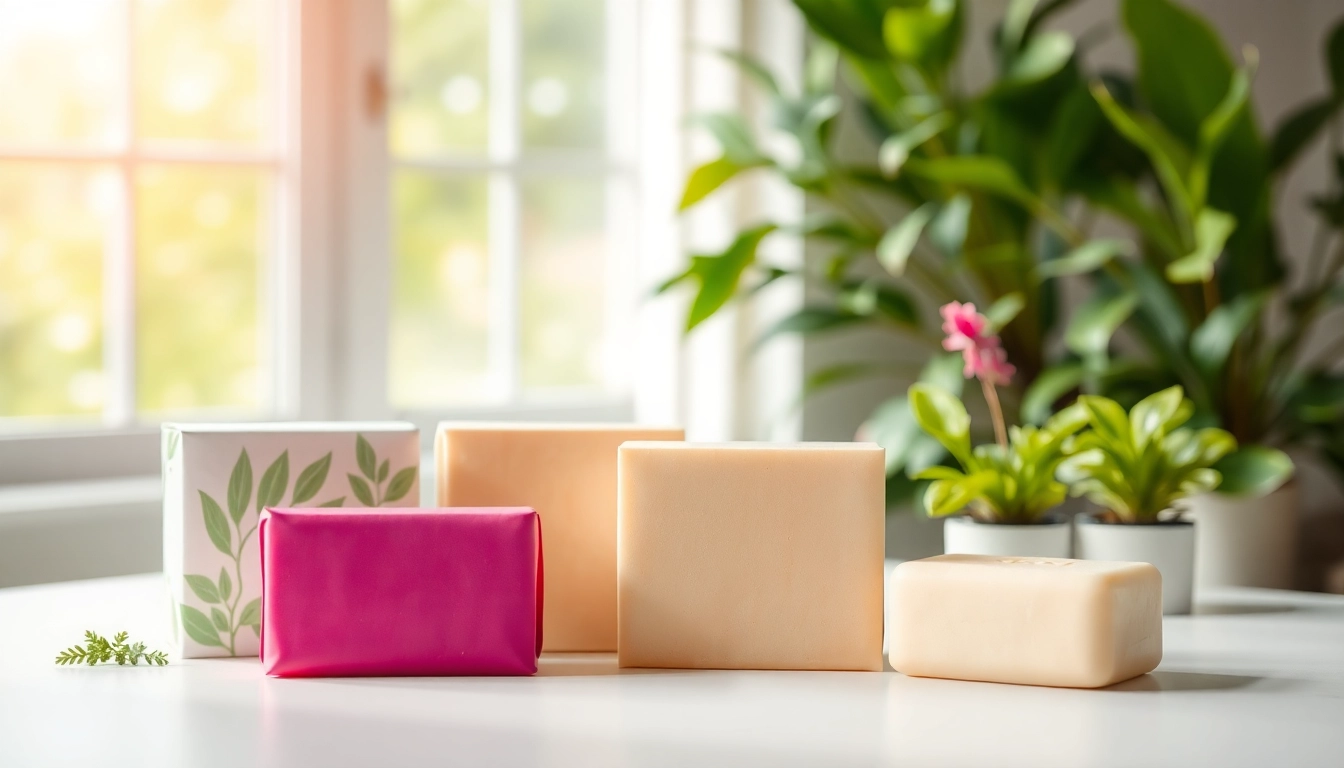
In the competitive landscape of consumer goods, soap packaging plays a pivotal role in shaping brand identities and influencing customer choices. The sleek curves of a bottle, the vibrancy of colors on a soap box, and the texture of the materials all contribute to a customer’s perception. In an era where soap packaging is often the first touchpoint with a product, understanding its significance is essential for brands looking to make a lasting impression.
The Role of Packaging in Consumer Perception
Consumers are often drawn to products through their packaging before they even learn about the product's benefits. The visual elements such as colors, typography, and imagery create an immediate response and set expectations. Research shows that consumers form opinions about a product within 90 seconds of first seeing it, with about 62-90% of that assessment based purely on color and visual appearance. Crafting packaging that resonates with the target audience helps establish a brand's narrative and draws consumers toward making a purchase.
Eco-Friendly Trends in Soap Packaging
With an increasing number of consumers prioritizing sustainability, many brands are now opting for eco-friendly materials and designs. Biodegradable packaging, recycled materials, and minimalistic designs are trending as they align with the values of environmentally conscious consumers. This shift not only appeals to customers but also enhances brand loyalty, as customers appreciate brands that demonstrate social responsibility.
How Packaging Influences Purchase Decisions
Beyond aesthetics, packaging influences buying choices through functionality and practicality. Features such as resealable components, portion control, or travel-friendly sizes can sway consumers toward particular products. Effective packaging not only attracts buyers but also enhances their overall experience, making them likely to become repeat customers.
Key Elements of Effective Soap Packaging
Design Principles for Eye-Catching Packaging
Creating visually striking soap packaging entails careful consideration of various design principles. Ensuring that the design complements the brand's values while being straightforward and informative is paramount. Elements such as shape, color scheme, and graphic design should work cohesively to convey the essence of the brand. Additionally, using textures or finishes can elevate the tactile experience, making the package feel premium and inviting.
Choosing Materials that Reflect Your Brand
The choice of materials used in soap packaging is crucial as it reflects the brand's identity and commitment to quality. Options can vary from elegant glass to eco-friendly paper or recyclable plastics. Each material has its unique advantages, influencing factors like shelf life, aesthetic appeal, and environmental impact. Brands should choose materials that not only align with consumer preferences but also reinforce their brand message.
Packaging Functionality and User Experience
When considering packaging design, functionality must go hand-in-hand with aesthetics. Packaging should be user-friendly, allowing for easy opening, dispensing, and storage. Added functionalities, such as built-in dispensers or child-proof closures, not only enhance convenience but also improve safety. Prioritizing usability is key to ensuring that the packaging serves its purpose effectively and satisfies customer needs.
Best Practices for Soap Packaging Design
Creating a Compelling Brand Story
A potent element of successful soap packaging design is storytelling. Packaging should encapsulate the brand's journey, values, and the craftsmanship behind the product. By integrating imagery and text that highlight the brand’s mission — whether it be organic sourcing or artisanal techniques — brands can create an emotional connection with their consumers, driving loyalty and advocacy.
Incorporating Sustainability into Packaging
Given the increasing consumer demand for sustainability, brands should prioritize incorporating eco-friendly practices into their packaging strategies. This includes using renewable materials, reducing waste through efficient designs, and maintaining transparency about sourcing practices. Implementing these sustainable approaches can further engage environmentally-conscious consumers, establishing the brand as a leader in innovation.
Balancing Aesthetics and Practicality
Effective soap packaging blends aesthetics with practicality. While it should attract and impress, it must also serve its intended functional purpose. Balancing these two aspects requires innovation, as brands aim to deliver captivating designs that do not compromise on usability. Achieving this blend enhances the overall consumer experience and encourages product satisfaction.
Market Trends in Soap Packaging
Current Innovations in Packaging Technology
The soap packaging landscape is constantly evolving, with advancements in technology paving the way for innovative solutions. From smart packaging—equipped with sensors to monitor freshness—to eco-conscious options that biodegrade rapidly, brands are pushing boundaries. Emerging technologies allow for enhanced interactivity, with QR codes on packages that lead consumers to digital experiences or product details, effectively bridging the gap between physical and digital products.
Consumer Preferences: What’s Trending Now?
Consumer trends have shifted toward personalization and authenticity in packaging. Customizable designs, unique label messaging, and locally sourced ingredients speak to consumers looking for genuine experiences. Moreover, customers favor packaging that tells a story and resonates with their values, paving the way for opportunities that prioritize customization and engagement.
Global Case Studies on Successful Packaging
Examining successful soap packaging strategies from around the globe showcases the diversity in design and consumer engagement. For instance, various brands have embraced cultural narratives through their packaging, using art and design elements that celebrate heritage and local craftsmanship. These approaches not only enhance brand visibility but also foster a deeper connection with consumers, demonstrating the importance of cultural relevance in packaging strategies.
Measuring Success and Improving Soap Packaging
Key Performance Indicators to Track
Evaluating the effectiveness of soap packaging requires a robust set of Key Performance Indicators (KPIs). Metrics such as sales growth, customer retention rates, product returns, and consumer feedback are crucial for understanding how packaging influences overall brand performance. Analyzing these metrics provides insights on areas needing improvement and helps tailor packaging strategies effectively.
Collecting Customer Feedback on Packaging
Customer insights are invaluable in refining packaging strategies. Engaging customers through surveys, product reviews, and social media feedback helps gather information on what they value in packaging. Establishing channels for open communication enables brands to adapt and align packaging with customer preferences, ensuring continued relevance and satisfaction.
Adapting to Market Changes in Packaging Designs
The ability to pivot in response to market changes is essential for long-term success. Trends may shift due to cultural changes, technological advancements, or consumer values. Brands should maintain flexibility in their packaging strategy, allowing them to adapt designs quickly and effectively to meet new market expectations or sustainability goals.
Frequently Asked Questions
What is the importance of soap packaging?
Soap packaging is crucial as it influences consumer perception, establishes brand identity, and drives purchase decisions through aesthetics and functionality.
How can I make my soap packaging eco-friendly?
To create eco-friendly soap packaging, use recyclable materials, adopt minimalist designs, and ensure biodegradability of the packaging components.
What design elements should I consider for my soap packaging?
Key design elements include color, shape, textures, typography, and branding elements that align with your target audience and product message.
How can I gain consumer feedback on packaging?
Consumer feedback can be collected through surveys, direct outreach, social media interactions, and post-purchase follow-ups regarding packaging experiences.
What are some current trends in soap packaging?
Current trends include personalization, eco-friendliness, smart packaging technologies, and designs that convey cultural stories or utilize local artistry.