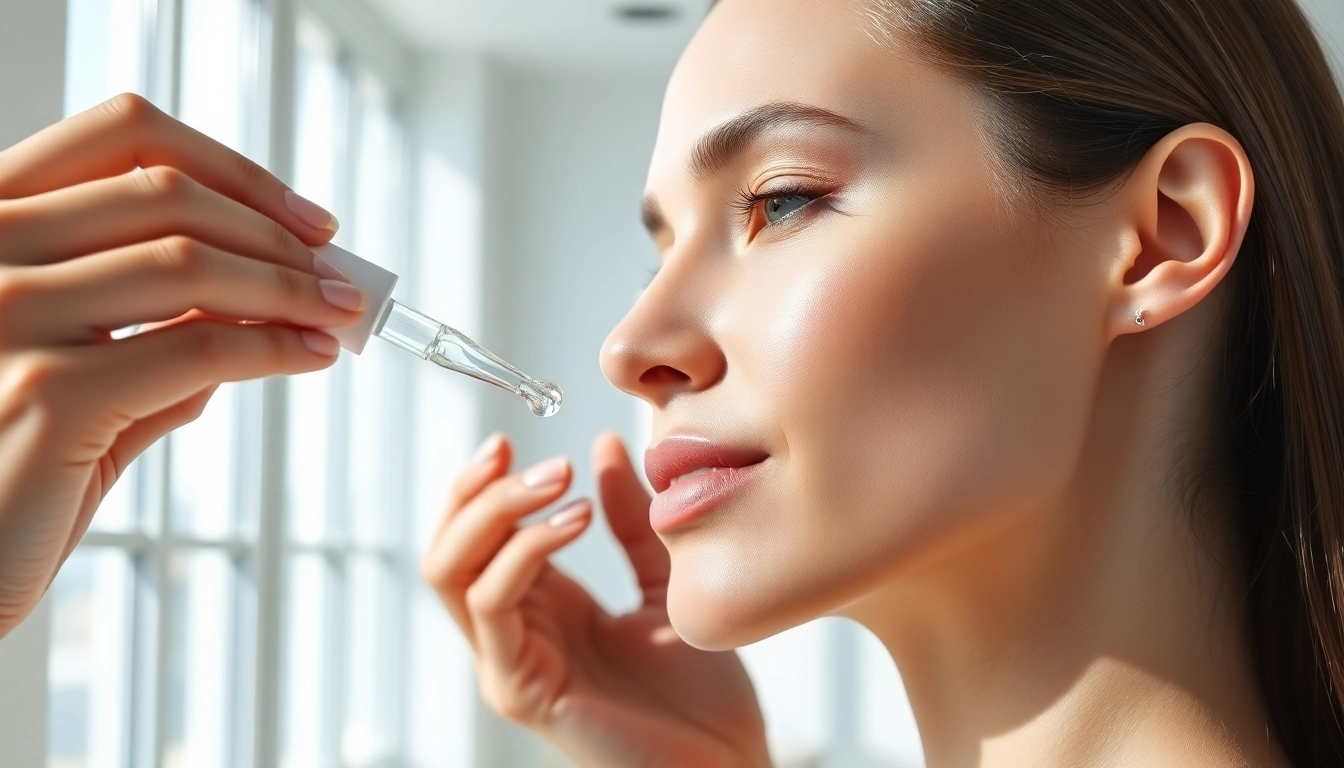
What is Growth Factor Serum?
Definition and Key Ingredients
A growth factor serum is a specialized skincare product crafted to stimulate cellular repair and renewal through the integration of naturally occurring proteins known as growth factors. These proteins are essential for various cellular processes, including proliferation, differentiation, and survival. The primary ingredients often encompass a blend of plant-derived and recombinant growth factors, antioxidants, peptides, and hyaluronic acid, enhancing the serum's effectiveness in promoting skin health.
How It Works for Skin Health
The mechanism of action of growth factor serums centers on their ability to bind to specific receptors on the surface of skin cells. This binding initiates signaling pathways that promote collagen synthesis, encourage the production of elastin, and enhance skin hydration by improving moisture retention. As these proteins work in concert with other beneficial ingredients, they contribute to an improved dermal matrix, ultimately resulting in firmer, more youthful skin.
Differences Between Growth Factor Serum and Other Treatments
Unlike traditional anti-aging treatments, such as retinol, which primarily promote exfoliation, growth factor serums target the deeper layers of skin to regenerate it from within. Whereas retinol is effective in increasing cell turnover, growth factors support cellular function and regeneration on a molecular level. This distinction highlights their complementary nature: using them together can enhance overall skin rejuvenation.
Benefits of Using Growth Factor Serum
Promoting Skin Rejuvenation
Growth factor serums play a pivotal role in skin rejuvenation by accelerating the healing process of damaged skin, reducing the visibility of scars and blemishes, and restoring a youthful glow. Studies have indicated that regular application can result in significant improvements in skin texture and tone, allowing for a more vibrant complexion. This serum encapsulates the essence of skin wellness, addressing concerns like dullness and fatigue.
Reducing Fine Lines and Wrinkles
One of the most sought-after benefits of the growth factor serum is its ability to diminish fine lines and wrinkles. By stimulating collagen and elastin production, the serum plumps the skin and reduces the appearance of aging signs. This dual action not only smooths existing lines but also elongates the effects of skincare treatments by contributing to long-term solutions against skin aging.
Improving Skin Texture and Tone
Users of growth factor serums often notice a marked improvement in skin texture and an even skin tone. These serums work by accelerating cell turnover and encouraging a more uniform distribution of skin pigment. With consistent use, skin not only appears smoother but also feels softer and more supple, resulting in a more polished look with fewer imperfections.
How to Incorporate Growth Factor Serum into Your Routine
Best Practices for Application
For optimal results, it’s crucial to apply growth factor serum correctly. Start with freshly cleansed skin, applying a few drops directly to the face and neck. Use gentle upward motions to ensure even distribution and absorption. Following the application of the serum, sealing it with a moisturizer can lock in hydration and maximize the serum's benefits.
Timing and Frequency of Use
Integrating a growth factor serum into your skincare routine typically involves using it once or twice daily, depending on the formulation’s potency and your skin’s sensitivity. Applying it in the morning and evening can significantly enhance skin rejuvenation. However, it’s advisable to monitor your skin's response and adjust usage accordingly.
Combining with Other Skincare Products
Combining growth factor serums with other skincare products can amplify their benefits. For instance, layering with vitamin C can enhance the antioxidant properties while using sun protection during the day is essential. Additionally, since growth factor serums pair well with moisturizers and hydrators, layering these products can facilitate deeper hydration, giving the skin a plump, rejuvenated appearance.
Choosing the Right Growth Factor Serum
What to Look for in Ingredients
When selecting a growth factor serum, prioritize ingredients that are scientifically proven to deliver results. Look for epidermal growth factor (EGF), transforming growth factor (TGF), and matrix metalloproteinases (MMPs). These elements are known to aid in cell growth and repair. Additionally, ensure the serum contains hydrating ingredients like hyaluronic acid, which enhances moisture retention and plumps the skin.
Understanding Different Formulations
Growth factor serums come in various forms, including gel, cream, and oil-based formulations. Selecting a formula that suits your skin type is vital; for instance, oil-based serums may enhance moisture for dry skin, while lightweight gels might be preferable for oily skin. Understanding your skin's needs allows for a more tailored skincare approach.
User Reviews and Recommendations
Before purchasing a growth factor serum, it's beneficial to explore user reviews and expert recommendations. Look for insights that discuss effectiveness, potential side effects, and overall user satisfaction. Many skincare communities thrive on sharing experiences and can provide realistic expectations of what to anticipate when incorporating a growth factor serum into your routine.
Frequently Asked Questions
What does a growth factor serum do?
A growth factor serum promotes collagen production, enhances cell turnover, and improves skin texture and tone while strengthening the skin barrier against external aggressors.
Is growth factor serum better than retinol?
Both occupy unique niches; growth factors support regeneration at deeper levels, while retinol increases cell turnover. Combining both can yield optimal anti-aging results.
Can I use growth factor serum with other treatments?
Yes, it pairs well with many skincare ingredients like antioxidants and hyaluronic acid but minimal interaction is ideal. Testing combinations is advisable to ensure compatibility.
How often should I apply growth factor serum?
Typically, it's recommended to use the serum once or twice daily based on the formulation and skin sensitivity. Monitor your skin to adjust as necessary.
Are there any side effects of using growth factor serum?
While generally safe, some users may experience mild irritation or allergic reactions. A patch test before the full application is recommended to gauge skin compatibility.