What Are Vinyl Records?
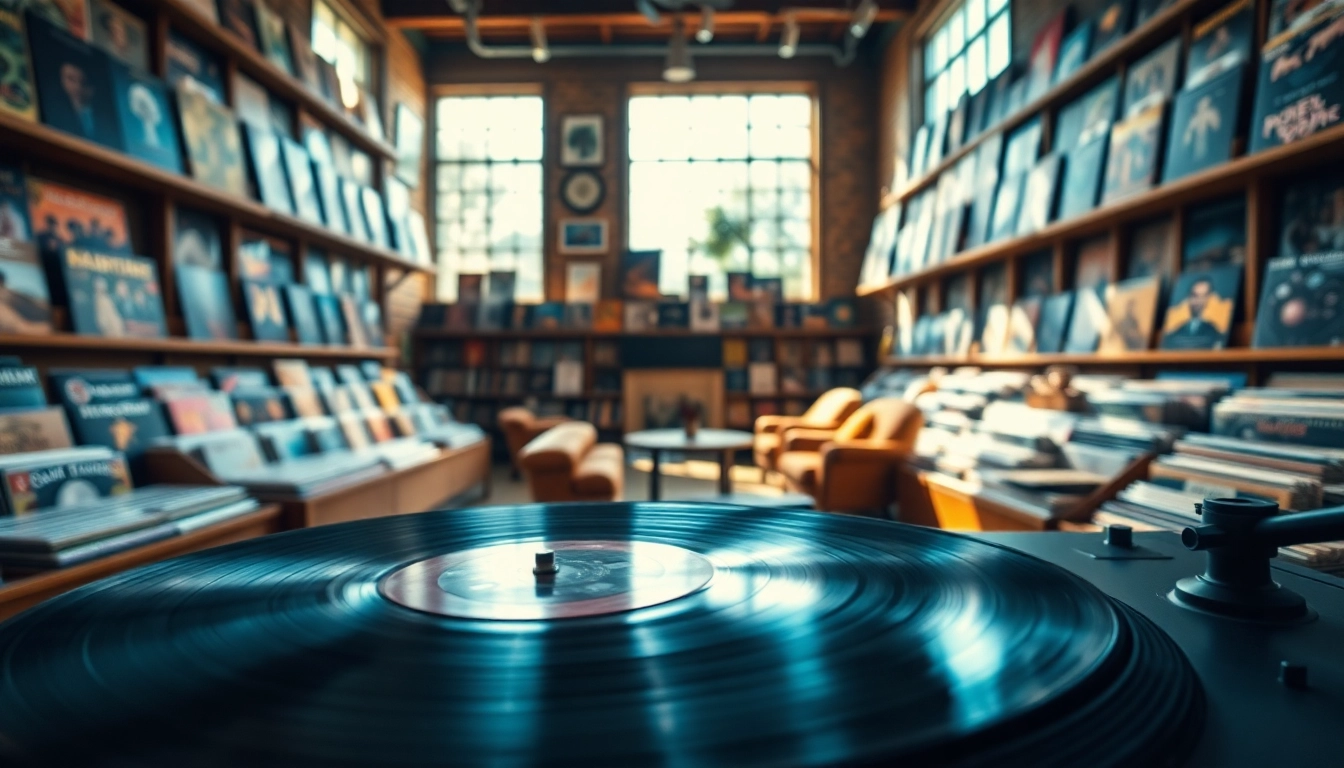
Vinyl records, once the primary medium for audio playback, have experienced a remarkable resurgence in popularity in both music culture and consumer interest. Characterized by their distinctive circular format, vinyl records offer a tactile experience unmatched by digital formats. The classic, warm sound quality of vinyl records appeals to musicians and listeners alike, creating a connection that transcends mere entertainment.
The History of Vinyl Records
The story of vinyl records dates back to the late 19th century. Initially, sound was recorded on cylinders, transitioning to disc formats around the early 1900s. The first vinyl records emerged in the late 1930s, replacing shellac records. This format provided longer playing times and better sound quality, which helped solidify the vinyl record as the dominant audio medium of the 20th century. The '50s and '60s marked the golden age of vinyl, with record players becoming household staples. While the rise of cassettes and CDs in the late '70s and '80s began to overshadow them, vinyl records never truly disappeared. Profound nostalgia and a longing for analog warmth have revived consumer interest.
Understanding Different Types of Vinyl Records
Vinyl records come in various formats, each catering to different listening preferences. The two primary sizes of vinyl records are the 12-inch LPs (long-playing records) and the 7-inch singles. LPs typically play at 33 1/3 RPM, allowing for around 20-30 minutes of playback per side. In contrast, 7-inch singles usually spin at 45 RPM, offering shorter tracks meant for quick listening. Additionally, vinyl records can be categorized by their pressing type: new releases, reissues of classic albums, colored vinyl, and special editions often feature unique artwork or remastered audio, adding cultural and collectible value.
The Anatomy of a Vinyl Record
To fully appreciate the beauty of vinyl records, understanding their anatomy is essential. Each disc consists of several key components:
- Grooves: The spiral track that captures audio information. The precision of these grooves defines sound quality.
- Label: The center portion, which usually displays the artist, album title, and record label logo.
- Run-Out Groove: The area surrounding the label where the stylus terminates when reaching the end of a record.
- Vinyl Material: Originally made from polyvinyl chloride (PVC), this material offers a unique flexibility and durability.
The Revival of Vinyl Records in Music Culture
The newfound appreciation for vinyl records represents a significant cultural shift in music consumption. Both established and emerging artists are releasing their music on this analog medium, catering to a diverse audience eager for something tangible.
Reasons Behind the Vinyl Resurgence
Several factors contribute to the resurgence of vinyl records. Many audiophiles argue that vinyl offers a richer, fuller sound when compared to compressed digital formats. The collectible aspect plays a significant role as well, with limited editions and colored variants appealing to collectors. Additionally, the physical nature of a vinyl record enhances the listening experience; the large album artwork, art inserts, and tactile engagement with the medium create a sense of personal connection.
Profiles of Vinyl Record Enthusiasts
Vinyl records attract enthusiasts from various backgrounds. For some, it’s the nostalgia associated with their formative years; for others, it’s the desire to discover new artists and sounds. Music writers, producers, and casual fans often explore local record shops or attend listening parties to share their passion. The rise of online communities and forums dedicated to vinyl appreciation allows fans to connect, trade, and discuss their favorite records, creating a robust culture around vinyl.
Community Events Celebrating Vinyl Records
Events like Record Store Day have been pivotal in celebrating the vinyl community, bringing collectors and fans together to engage with artists and discover exclusive releases. Local record fairs and swap meets also play a vital role, often featuring live music, artist signings, and opportunities to explore diverse genres, thereby fostering a sense of community. These events elevate the experience beyond purchasing music; they offer opportunities to build relationships rooted in shared enthusiasm.
Selecting the Best Vinyl Records for Your Collection
For both new and seasoned collectors, choosing the right vinyl records can be a rewarding yet daunting task. With a wealth of options available, knowing what to look for is essential to building a diverse collection.
Top Genres Explored on Vinyl Records
Vinyl records span a myriad of genres, and exploring various types can enhance your collection. Some popular genres include:
- Classic Rock: Iconic albums from the '60s, '70s, and '80s are perennial favorites.
- Jazz: The warmth and depth of jazz recordings are well-suited to vinyl.
- Hip-Hop: Vinyl’s resurgence has been bolstered by new and classic hip-hop releases.
- Indie and Alternative: Many indie artists prefer vinyl for their releases.
- Electronic: With an emphasis on sound quality, electronic music often shines on vinyl.
How to Choose Quality Vinyl Records
When selecting vinyl records, assessing quality is crucial. Here are some expert tips:
- Check the Condition: Look for surface scratches, warps, and other imperfections. A clean cover can indicate well-cared-for records.
- Research Pressings: Some pressings are better than others. Online resources and forums provide information about which pressings are considered “best.”
- Listen Before You Buy: If possible, listen to the record in-store or request a digital sample to evaluate sound quality.
Beloved Classics vs. Modern Releases in Vinyl Records
The debate between classic vinyl records and modern releases often comes down to personal preference. Classics provide nostalgic value and are often cherished by long-time collectors. However, the contemporary pressing plants frequently incorporate advancements in technology, meaning new releases may offer enhanced sound quality and creative designs. Many collectors enjoy the blend of both, exploring eras and genres.
Taking Care of Your Vinyl Records
To preserve the integrity of vinyl records, proper care and maintenance are essential. The right practices help ensure that your collection maintains its value and sound quality for years.
Proper Storage Techniques for Vinyl Records
Storage is vital when it comes to your vinyl records. Here are some best practices:
- Store Upright: Keep your records vertical to prevent warping and scratching.
- Avoid Humidity: Select a cool, dry location to avoid mold and warping from excessive moisture.
- Use Anti-Static Bags: Store records in protective sleeves to mitigate dust accumulation and static buildup.
Cleaning Methods to Maintain Vinyl Records
Regular cleaning maintains the sound quality of vinyl records. Some cleaning methods include:
- Brush Cleaning: Use a carbon fiber brush before and after each play to remove dust.
- Wet Cleaning: For deeper cleaning, use a specialized vinyl cleaning solution with a microfiber cloth, ensuring to wet and dry properly.
- Record Cleaning Machines: Investing in a cleaning machine can automate the process, ensuring your records stay in optimal condition.
Essential Equipment for Vinyl Record Preservation
Aside from storage and cleaning, several tools can assist in preserving your collection:
- Turntable: Invest in a quality turntable with good tracking ability to reduce record wear.
- Sleeve Protectors: Use high-quality inner and outer sleeves to protect your vinyl from dust and scratches.
- Stylus Cleaning Tools: Regularly clean the stylus to ensure an optimal listening experience.
Where to Buy Vinyl Records
The market for vinyl records offers numerous purchasing venues, both physical and online. Selecting where to shop can greatly impact your experience as a collector.
Local Record Stores vs. Online Marketplaces for Vinyl Records
Local record shops provide unique advantages, including the ability to browse a curated selection, receive personalized recommendations, and discover rare finds. Supporting these businesses fosters community and strengthens the local music scene. However, online marketplaces often offer more extensive selections, competitive pricing, and the convenience of shipping, which can significantly enhance access to hard-to-find titles.
Tips for Finding Rare Vinyl Records
Finding rare vinyl records requires patience and diligence. Here are some strategies to help:
- Join Online Communities: Engage with other collectors through forums and social media groups to learn about available records and upcoming sales.
- Network with Local Collectors: Form friendships with other vinyl enthusiasts in your area, which may lead you to private collections.
- Attend Record Fairs: These events often feature vendors with unique and hard-to-find records; they are also great for networking.
The Importance of Supporting Independent Vinyl Records Sellers
Supporting independent sellers not only benefits local economies but also enhances the cultural fabric of the music community. Independent sellers often curate unique selections, focusing on local artists and genres that large corporations might overlook. Choosing to purchase from these businesses fosters creativity and encourages a diverse marketplace where independent artists can thrive.