Understanding Metal Roofing
What is Metal Roofing?
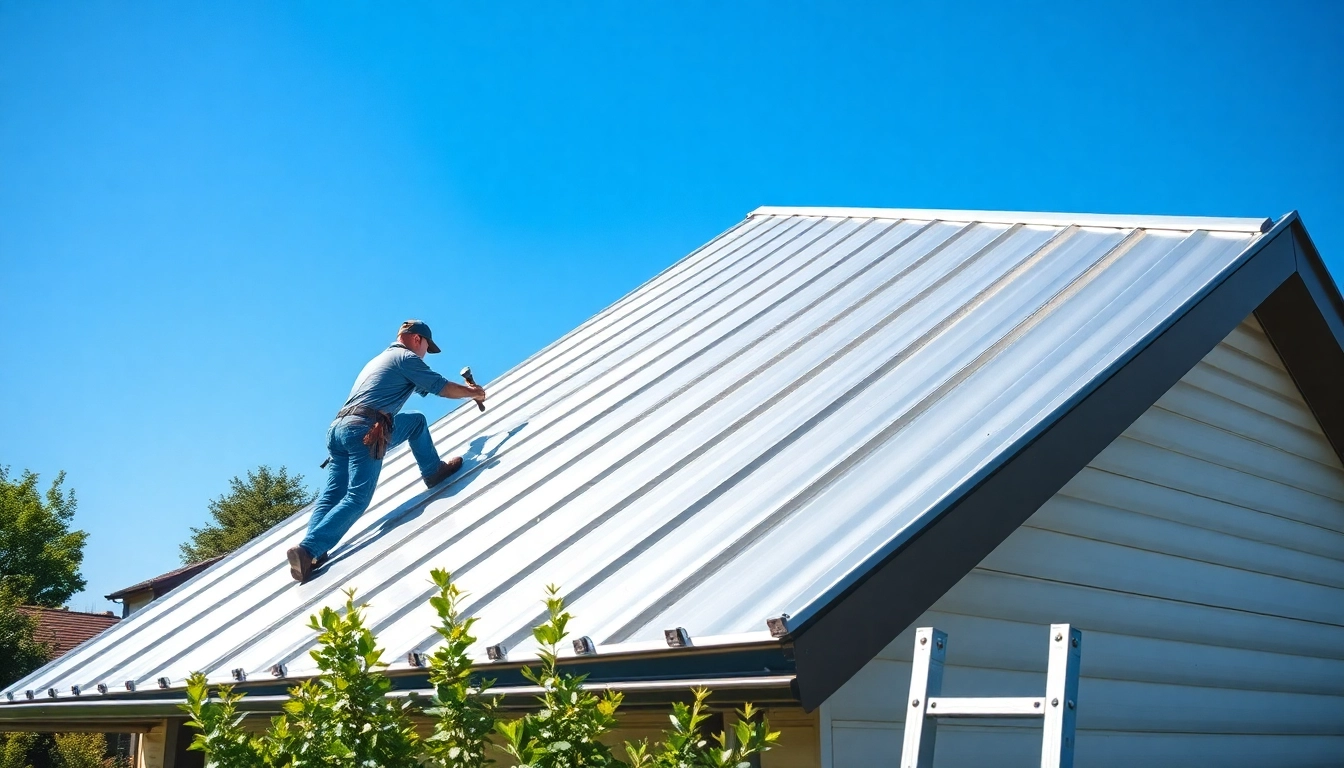
Metal roofing is a roofing solution made from metal pieces or tiles. It has been gaining popularity for its durability and aesthetic appeal. Unlike traditional roofing materials such as asphalt shingles, metal roofing provides superior longevity, often lasting 40 to 70 years with proper maintenance. The structure can be made from various metals, including steel, aluminum, copper, and zinc, all offering unique benefits and characteristics.
Types of Metal Roofing Materials
There are several types of materials used in metal roofing, each with distinct advantages:
- Steel: The most common and affordable option, steel roofing can be galvanized or coated for enhanced resistance to corrosion.
- Aluminum: Lightweight and resistant to rust, aluminum is ideal for coastal areas where salt air can damage other materials.
- Copper: Known for its aesthetic appeal and unsurpassed longevity, copper develops a natural patina over time, adding to its character.
- Zinc: Like copper, zinc is long-lasting and develops a protective patina. It’s also recyclable, making it an eco-friendly choice.
- Stainless Steel: Offers excellent resistance to corrosion and is often used in harsh environments, making it a resilient option.
Benefits of Metal Roofing
Choosing metal roofing comes with various benefits. Here are some of the most compelling reasons homeowners and builders opt for metal:
- Durability: Metal roofing can withstand extreme weather conditions, including heavy rain, wind, and snow, with little deterioration.
- Energy Efficiency: Metal roofs reflect sunlight, which helps in keeping your home cooler in warm climates and reduces energy costs.
- Fire Resistance: Metal is non-combustible, providing an augment in fire safety compared to traditional roofing materials.
- Low Maintenance: With a life expectancy that ranges from 40 to 70 years, metal roofs generally require less maintenance over time.
- Eco-Friendly: Many metal roofing options are made from recycled materials and are fully recyclable at the end of their lifespan.
Choosing the Right Metal Roofing
Factors to Consider When Selecting Metal Roofing
When it comes to choosing the right metal roofing, several factors should be taken into account:
- Climate: Consider local climate conditions as some materials perform better in certain weather situations. For example, aluminum is great for salty environments.
- Budget: Establishing a budget will help narrow down choices as metal roofing options can vary significantly in cost.
- Aesthetics: Choose a style and color that complements your home’s exterior design and personal taste.
- Installation Method: The installation approach can influence the overall cost and complexity. Some metal roofs are easier to install than others.
- Energy Efficiency: Evaluate how energy-efficient a specific metal roofing material is to maximize savings on energy bills.
How to Match Metal Roofing with Your Home's Style
Selecting the right metal roofing involves aesthetic considerations as well. Here are a few tips to help you match your roofing to your home’s style:
- Color Matching: Metal roofs come in a variety of colors. Choose hues that align with your overall home palette or contrasting colors that make a bold statement.
- Material Finishes: Different finishes can evoke various styles; for example, a shiny finish offers a modern look, while a matte finish could appear more traditional.
- Architectural Style: The design of your home influences the type of metal roofing that will look best. A standing seam roof works well with modern designs, while tiles may suit traditional homes.
- Neighborhood Considerations: Keep in mind the style of roofing prevalent in your neighborhood. Choosing a style that fits can enhance curb appeal and property value.
Cost Considerations for Metal Roofing
The cost of metal roofing can vary widely based on the material, installation, and location. Here are several cost considerations to keep in mind:
- Material Costs: Different metals come with varying price points. Stainless steel and copper are typically more costly than aluminum and steel.
- Installation: Hiring a professional can add to the expense. Confirming their experience with metal roofing can ensure proper installation.
- Long-Term Savings: Although the initial investment may be higher, the long lifespan and energy efficiency of metal roofing can lead to significant savings over time.
Installation Process of Metal Roofing
Preparation Steps Before Installation
Before installing metal roofing, thorough preparation is crucial. Here’s a step-by-step approach to preparing your home for a metal roof:
- Inspection: Conduct a detailed inspection of the existing roof. Repair or replace any damaged underlying structures.
- Measurement: Accurately measure the roof area to calculate how much material is needed.
- Removal of Old Roof: If not installing over existing shingles, remove the old roofing to assess the condition of the roof deck.
- Deck Preparation: Ensure the roof deck is clean, dry, and solid before starting the installation process.
- Gather Materials: Assemble all necessary materials and tools, including underlayment, flashings, and screws, for a smooth installation.
Common Installation Techniques for Metal Roofing
Metal roofing installation methods can vary based on the type of roofing material. The most common techniques include:
- Standing Seam: Panels that interlock at the seams provide a watertight seal and modern appearance.
- Overlapping Panels: Adjacent panels overlap for additional protection against water and wind.
- Metal Shingles: Installed in a manner akin to traditional shingles, providing various styling options.
- Tile and Shake Profiles: These can mimic the appearance of traditional tile roofs while offering the benefits of metal.
Essential Tools for Metal Roofing Installation
Having the right tools is critical for a successful metal roofing installation. Here are the essential tools you’ll need:
- Metal Snips: For cutting metal sheets and panels accurately.
- Measuring Tape: To ensure precise measurements of roofing panels and areas.
- Drill: A power drill with screwdriver bits for securing panels and accessories.
- Ladder or Scaffolding: For safely reaching the roof surface during installation.
- Safety Gear: Always wear safety goggles, gloves, and proper footwear to prevent accidents.
Maintenance and Care for Metal Roofing
Routine Maintenance Practices for Longevity
Metal roofs require minimal maintenance compared to other materials, but some routine care practices can enhance longevity:
- Regular Inspections: Inspect your roof at least twice a year for signs of wear and potential problems.
- Clean Drainage Areas: Ensure gutters and downspouts are clear of debris to prevent water damage.
- Check for Rust: In case of corrosion, treat affected areas promptly with appropriate products.
- Fastener Checks: Inspect fasteners and replace any that are loose or missing.
Identifying and Repairing Common Issues
Being proactive about identifying and addressing common roofing issues can prevent larger problems later. Some common issues include:
- Rust Formation: Can occur in certain metals; treat with anti-corrosion paint or replace affected panels.
- Leaks: Ensure that seams are properly sealed and that flashings around vents and chimneys remain intact.
- Loose Panels: Ensure proper fastening to prevent sections from becoming dislodged during high winds.
Seasonal Care Tips for Metal Roofing
Seasonal changes can impact metal roofs differently, necessitating specific care:
- Winter: Remove ice and snow accumulation to prevent additional weight and potential leaks.
- Spring: Inspect for winter damage and clear debris from gutters and drainage systems.
- Summer: Check ventilation systems to ensure proper airflow and prevent heat buildup.
- Fall: Prepare for winter by clearing leaves and debris that could clog gutters.
Frequently Asked Questions About Metal Roofing
How long does metal roofing last?
Metal roofing can last 40-70 years depending on the material and maintenance. Proper care can significantly extend its lifespan.
Is metal roofing energy efficient?
Yes, metal roofing reflects heat, reducing cooling costs in warm climates and improving energy efficiency in homes.
Can metal roofing be installed over existing shingles?
Yes, metal roofing can often be installed over existing shingles, saving on labor and disposal costs.
What are the noise levels of metal roofing during rain?
With proper insulation, metal roofing is quieter than expected during heavy rain, minimizing noise disruption inside the home.
Does metal roofing come in different colors?
Yes, metal roofing is available in various colors and finishes, allowing home customization to suit personal preferences.