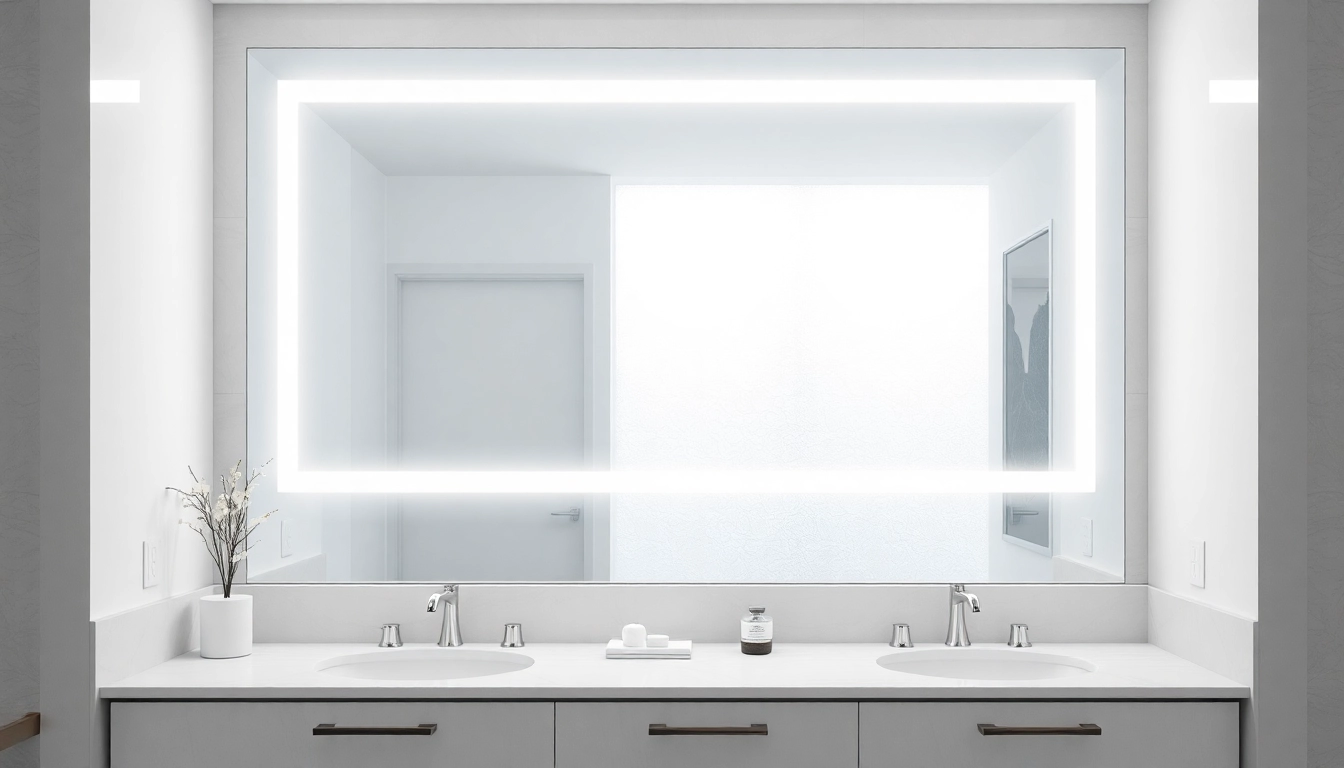
Understanding Mirrors and LED Lights
Mirrors have long been a staple of home design, not only as practical tools for personal grooming but also as decorative elements that can visually enhance a space. When combined with mirror and led lights, they become a powerful feature in modern interiors, capable of redefining ambiance and aesthetic value.
The Benefits of Mirrors in Home Design
Mirrors serve multiple functions in interior design. Primarily, they create an illusion of more space, particularly in smaller rooms. By reflecting light and colors from the surrounding environment, mirrors can brighten and enlarge any room. Additionally, strategically placed mirrors enhance the flow of natural light throughout the space, leading to a more inviting atmosphere. Beyond functionality, mirrors can be art pieces themselves, adding character and style that complements other decor elements.
How LED Lights Enhance Ambiance
LED lights are revolutionizing the way we light our homes. They provide an energy-efficient solution that significantly reduces electricity consumption compared to traditional bulbs. LED lights offer versatility in terms of color and intensity, allowing homeowners to set the mood for various occasions. For instance, warm white lights create a cozy environment, while cooler tones may be perfect for tasks requiring better visibility. The longevity of LED technology also means fewer replacements, making them a cost-effective choice in the long run.
The Versatility of LED Mirrors
LED mirrors blend the attributes of mirrors and lighting into a singular application. They not only reflect but also illuminate, which is particularly advantageous in bathrooms where lighting can often be harsh or inadequate. These mirrors come in various sizes, shapes, and frame styles, fitting seamlessly into any decor. Additionally, the incorporation of features such as dimmers and smart technology further enhances their usability, allowing you to customize lighting conditions to your preference.
Choosing the Right Mirror and LED Lights
Size Considerations for Mirrors
When selecting a mirror, size matters significantly. A mirror that is too small can get lost in the room, creating an imbalance while a large mirror can overpower the space. For bathrooms, a common guideline is to choose a mirror that is roughly two-thirds the width of the sink or vanity. In living areas, oversized mirrors can be utilized as focal points, but they should relate well to the dimensions of furniture and wall space around them.
Styles of LED Lighting to Fit Your Decor
Bringing style into the equation, LED lights come in various forms, from embedded lighting strips to pendant lights around mirrors. The style of the LED fixture should complement the design style of the room—modern homes may benefit from sleek, minimalist lines, while traditional spaces might call for ornate designs. Understanding the color temperature of LEDs is also essential; warm temperatures lend to a cozy vibe, while cool temperatures can feel more energizing and refreshing.
Energy Efficiency of LED Lights
One of the most significant advantages of LED lights is their energy efficiency. Traditional incandescent bulbs waste much of their energy as heat, whereas LEDs convert a higher percentage of electricity into light. This efficiency can lead to substantial savings on energy bills. Given that LEDs also have a longer lifespan—often lasting up to 25,000 hours compared to a mere 1,000 hours for traditional bulbs—they represent a lower environmental impact in both energy consumption and waste.
Installation Tips for Optimal Functionality
Preparing Your Space for Installation
Before installation, it’s crucial to evaluate the space where the mirror and LED lights will be mounted. Consider factors such as electrical outlets, wall type, and the position of the mirror in relation to existing light sources. A well-lit area is always preferable. Measuring your space beforehand ensures that you select an appropriately sized mirror and receive the necessary materials for a secure installation.
DIY vs Professional Installation
The decision to install mirrors and LED lights yourself or hire a professional can depend on your level of comfort with tools and electrical work. DIY installation can be a rewarding project but requires careful reading of instructions and possibly understanding electrical components. Conversely, hiring a professional can ensure that everything is installed safely and to code, which is particularly important for LED fixtures requiring hardwired connections.
Wiring and Electrical Considerations
Electrical considerations are essential, especially when dealing with LED mirrors that require specific wiring. Ensure that your electrical setup is compatible with the voltage and wattage specifications of your lights. If you're not confident in your electrical skills, it might be prudent to consult with or hire a certified electrician to handle the connections. Safety should always be the priority, especially when working with high-voltage wiring.
Maintenance of Mirrors and LED Lights
Cleaning Tips for Longevity
Keeping mirrors and LED lights clean not only enhances their aesthetic appeal but also prolongs their lifespan. For mirrors, use a glass cleaner and a soft cloth; avoid abrasive materials that can scratch the surface. For LED lights, turn them off and allow them to cool before cleaning to avoid burns. A damp microfiber cloth works well to remove dust without damaging the fixture.
Upgrading Your LED Fixtures
Over time, you may want to update your LED fixtures to newer models that offer enhanced features such as smart technology or better energy efficiency. When upgrading, consider compatible dimmers, color temperature options, or smart home integrations that allow you to control lighting intensity and color from a mobile app or voice commands, making your space more functional and modern.
Common Issues and Troubleshooting Tips
Common issues with LED mirrors may include inconsistent lighting, flickering, or failure to turn on. Many of these problems can be traced back to electrical connections or faulty light bulbs. If an LED mirror flickers, check all wiring and connections. If the mirror doesn't turn on, verify the power source is functioning. Troubleshooting may involve replacing the LED module or consulting with a professional for more complicated issues.
FAQs about Mirrors and LED Lights
What are the benefits of LED lights over traditional bulbs?
LED lights are more energy-efficient, longer-lasting, and provide better light quality. They don’t emit heat the way traditional bulbs do, making them safer and saving on cooling costs.
How can I choose the perfect size mirror for my bathroom?
A mirror should ideally be 1.5 to 2 times the width of your vanity or sink and should be proportionate to the space. Ensure there is good room above the sink for functionality.
Are LED mirrors energy efficient?
Yes, LED mirrors use significantly less energy compared to traditional lighting solutions. They can last up to 25,000 hours and reduce electricity costs due to their efficiency.
Can I install a mirror with LED lights myself?
Yes, you can install an LED mirror yourself if you feel confident in handling tools and electrical connections. However, consult professionals when unsure about wiring or installation for safety.
How do I clean my LED mirror without damaging it?
Use a soft, damp cloth with a mild glass cleaner to gently wipe the surface. Avoid abrasive materials that can scratch the mirror’s surface or damage the lights.