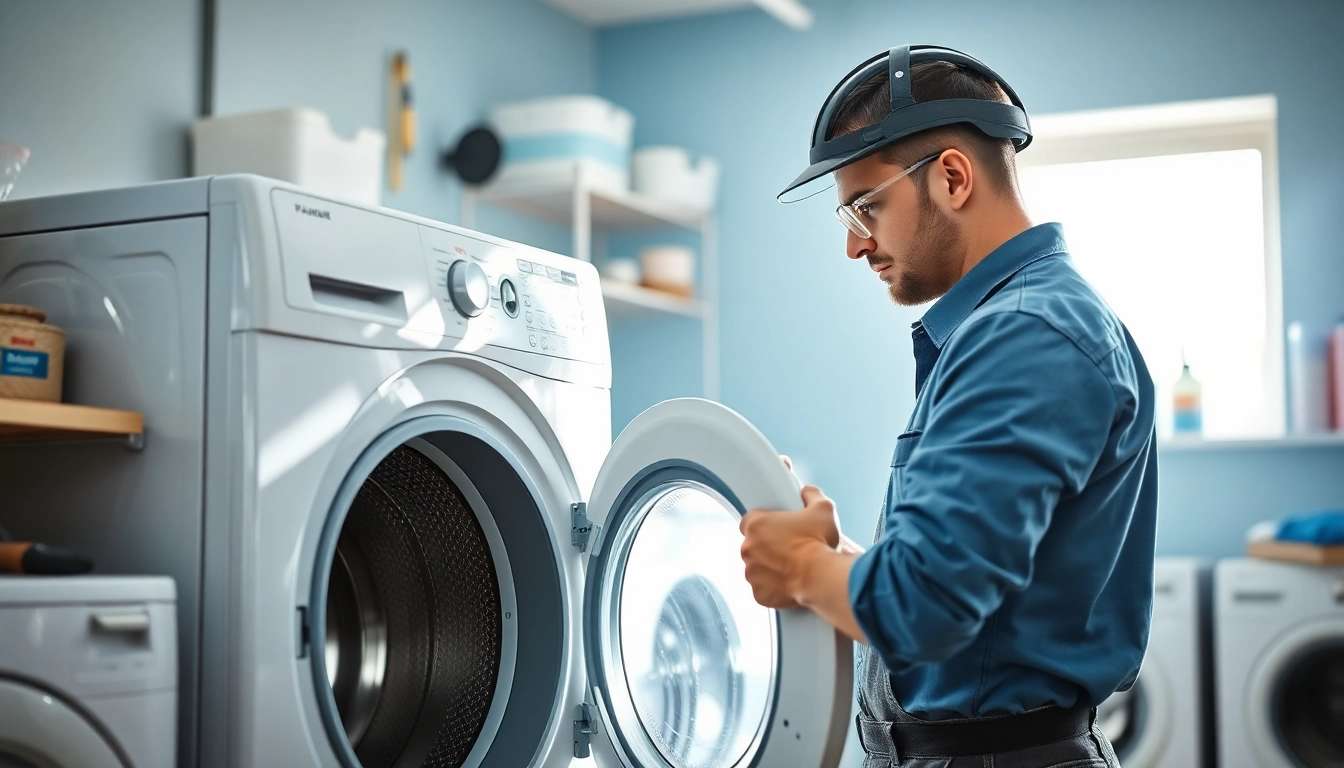
Understanding Washing Machine Repair Basics
A washing machine is an indispensable part of modern household convenience, making laundry days significantly easier. However, when it malfunctions, it can disrupt your routine and cause frustration. Understanding the basics of washing machine repair is crucial for homeowners looking to tackle minor issues themselves or for those who want to comprehend when professional assistance is necessary. Let's explore common symptoms of malfunction, essential tools for repair, and safety precautions you should observe during the repair process.
Common Symptoms of Malfunction
Identifying the signs of a malfunctioning washing machine early can save you time and money. Here are several common symptoms to look out for:
- Washer Won't Start: If the machine seems unresponsive, check the power supply and circuit breaker before considering further issues.
- Water Leaks: Puddles of water around the machine can be caused by faulty seals, hoses, or improper loading.
- Noisy Operation: Unusual sounds, such as banging or grinding, may indicate loose components or foreign objects trapped within the drum.
- Drum Not Spinning: If the drum fails to spin, you may have a problem with the drive belt or motor.
- Inadequate Cleaning: Residue left on clothes may point to issues with detergent usage or filter blockages.
Essential Tools for Repair
Before attempting any repairs, make sure you have the right tools at hand. An effective repair arsenal typically includes:
- Screwdrivers: Different sizes (both flat-head and Phillips) for removing panels and components.
- Wrenches and Pliers: For loosening or tightening nuts and bolts securely.
- Multimeter: Essential for diagnosing electrical issues by testing voltage and continuity.
- Drain Pan: To catch any water that may spill out during repairs.
- Flashlight: For illuminating dark spaces inside the machine.
Safety Precautions During Repair
Safety is paramount when working on electrical appliances. Here are vital precautions to take:
- Unplug the Machine: Always disconnect the power supply to avoid electrical shocks.
- Wear Protective Gear: Gloves and safety goggles can safeguard against sharp edges and water spills.
- Work in a Dry Area: Ensure the floor is dry to prevent slipping.
- Consult the Manual: Refer to the manufacturer's manual for specific guidance on repair processes.
Step-by-Step Guide to Washing Machine Repair
Now that you understand the basics, let's delve into a systematic guide for effectively repairing your washing machine.
Diagnosing the Problem
Effective diagnosis can save time and costs in repairs. Here’s how to approach it:
- Observe Symptoms: Document all unusual behaviors and note when the problems occur.
- Check Electrical Connections: Ensure that all plugs, wires, and outlets are functioning correctly.
- Listen Closely: Different sounds can give clues about what's wrong; for instance, a humming noise might suggest motor issues.
- Run a Diagnostic Test: Many machines have built-in diagnostic modes; consult the manual for instructions.
Replacing Faulty Parts
Once the issue is diagnosed, you may need to replace faulty components. Here are some common replacements:
- Drive Belt: If the drum isn’t spinning, inspect and replace the drive belt if it's worn or broken.
- Water Inlet Valve: A malfunctioning valve can prevent water from entering—replace it if it appears clogged or faulty.
- Door Lock Assembly: If the washer will not start, the door lock may need replacing.
- Drain Pump: If water isn’t draining, test the pump for operation and replace if necessary.
Testing the Repair
After any repair, thorough testing is essential to ensure that the problem has been resolved:
- Plug in the Washer: Reconnect the power supply and ensure all connections are secure.
- Run a Test Cycle: Observe the washing machine for any signs of residual issues; this includes listening for strange noises.
- Monitor Water Inflow and Drainage: During the cycles, watch for leaks and check drainage efficiency.
Preventive Maintenance for Washing Machines
Prevention is better than cure, especially when it comes to appliances. Here are some practices to keep your washing machine in optimal condition.
Regular Cleaning Tips
Regular cleaning can prolong the life of your washing machine:
- Clean the Drum: Periodically run an empty cycle with vinegar to eliminate odors and residue.
- Remove Lint and Debris: Clean out the lint filter and drainage pump to prevent blockages.
- Wipe Down Seals and Gaskets: Keep the rubber seals clean to prevent mold and mildew growth.
How to Avoid Common Issues
Preventative measures can help avert common problems:
- Don’t Overload: Avoid loading the washer beyond its capacity, which can strain components.
- Use the Right Detergent: Always use high-efficiency (HE) detergent if your washing machine requires it.
- Check Hoses Regularly: Inspect hoses for wear and tear to prevent leaks and bursts.
Best Practices for Long-Term Care
Incorporate these practices into your routine for lasting care:
- Annual Maintenance Checks: Schedule professional maintenance at least once a year.
- Keep the Area Dry: Ensure the area around the washing machine is free from moisture and clutter.
- Know Your Model: Familiarize yourself with your machine's specifications and needs for better care.
When to Call a Professional for Washing Machine Repair
While DIY repairs are often manageable, there are times when it’s safer or more effective to enlist a professional's help. Recognizing these situations is vital.
Signs That Professional Help is Needed
If you encounter any of the following, consider seeking professional assistance:
- Electrical Failures: If you cannot diagnose electrical issues or if there’s a risk of fire.
- Persistent Leaks: Continual leaks despite replacing seals and hoses might indicate deeper issues.
- Unfixable Noise Issues: If odd noises persist, it could signify serious internal damage.
Understanding Repair Costs and Quotes
Understanding the costs involved in professional washing machine repair can help you make informed decisions:
- Initial Service Fee: Most professionals charge a diagnostic fee just for examining the machine.
- Parts and Labor: Costs can vary based on the parts needed and the time required for repairs.
- Request Estimates: Get multiple quotes to gauge a fair price for the service.
Choosing the Right Repair Service
Selecting a reliable repair service is crucial to ensure quality and value:
- Check Credentials: Look for certified and insured professionals with positive reviews.
- Ask for Referrals: Consult friends or family for recommendations based on past experiences.
- Compare Services: Don’t hesitate to compare various services to find the best fit for your needs.
FAQs About Washing Machine Repair
What should I do if my washing machine won't start?
Check if it's plugged in, the outlet is functional, or if the circuit breaker has tripped. If these don’t resolve the issue, consult a professional.
How can I prevent my washing machine from leaking?
Regularly inspect and replace worn hoses, maintain door seals, and avoid overloading to prevent leaks.
What are the most common washing machine problems?
Common issues include the washer not spinning, leaking water, strange noises, or failing to start. Regular maintenance can help avoid these.
How do I know if my washing machine needs repair?
Signs such as unexpected noises, failure to operate, leaks, or poor cleaning performance often indicate a need for repair.
Can I repair my washing machine myself?
Many minor repairs are manageable with the right tools and knowledge. However, for complex or electrical issues, it’s wise to call a professional.