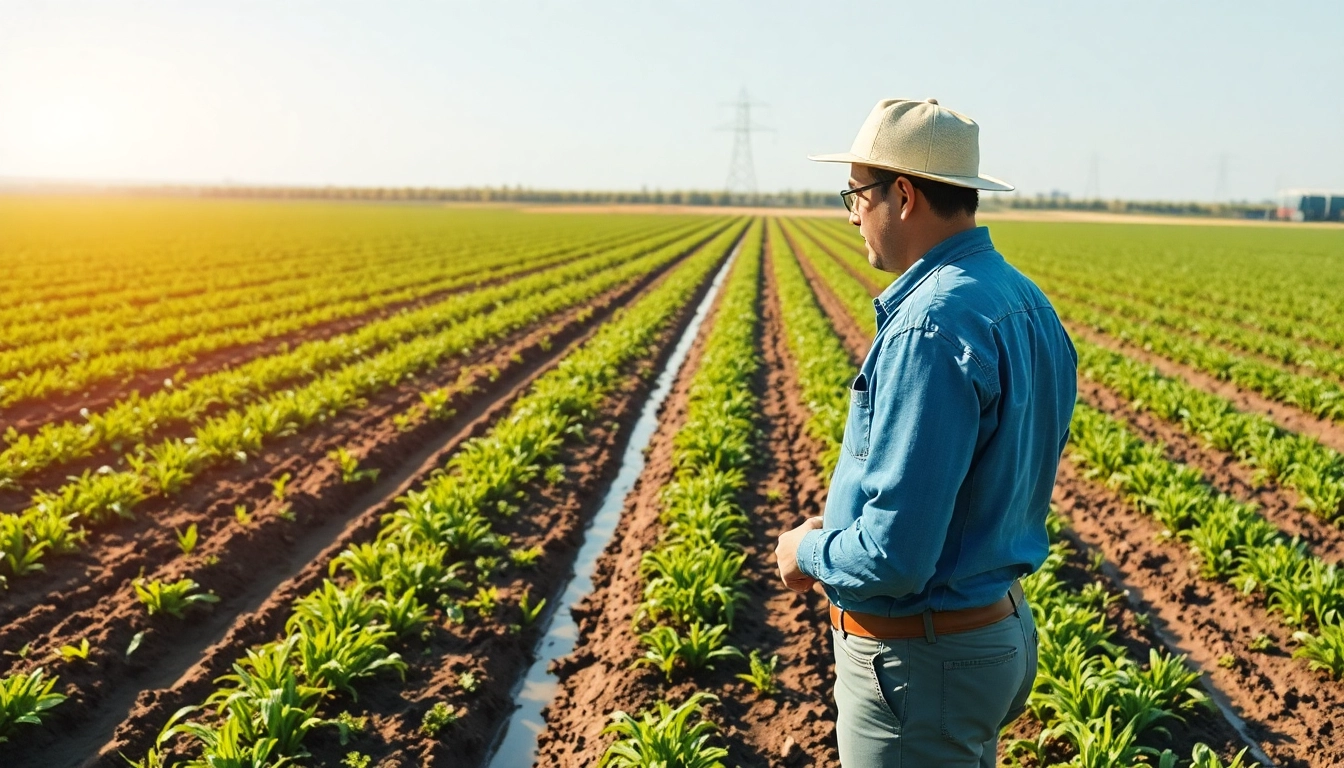
Understanding Land Irrigation Fundamentals
What is Land Irrigation?
Land irrigation is the agricultural practice of applying controlled amounts of water to crops at specified intervals. This intentional distribution of water is crucial for sustaining crop growth, enhancing yields, and supporting agricultural productivity, especially in regions where rainfall is insufficient or unreliable. By managing land irrigation, farmers can optimize water usage and ensure the health of their crops throughout different growth phases.
Purpose and Benefits of Land Irrigation
The primary purpose of land irrigation is to improve agricultural output, especially in arid and semi-arid climates. The benefits of effective irrigation systems include:
- Increased Crop Yields: Ensures crops receive the necessary moisture for growth, leading to higher productivity.
- Drought Mitigation: Protects crops during periods of water scarcity, reducing the risk of crop failure.
- Soil Health Improvement: Regular watering can enhance soil structure and fertility through organic matter distribution.
- Expanded Growing Seasons: Allows farmers to cultivate crops outside of natural growing seasons, improving overall harvests.
Types of Land Irrigation Methods
There are several methods of land irrigation, each with its strengths and suitability based on regional conditions. The most common methods include:
- Surface Irrigation: Involves directing water across the soil surface, allowing it to soak in. This method is usually inexpensive but can be inefficient if not correctly managed.
- Drip Irrigation: Delivers precise amounts of water directly to the plant roots via a network of tubing. Highly efficient, it minimizes evaporation and runoff.
- Sprinkler Irrigation: Mimics rainfall by distributing water through pipes and sprinklers. This method is versatile and can be used in various terrains.
- Subsurface Irrigation: Involves watering the soil below the surface, which can reduce evaporation and improve efficiency.
Common Challenges in Land Irrigation
Water Scarcity Issues
Water scarcity is a significant challenge in many regions due to over-extraction, climate change, and competing agricultural demands. Effective water management and conservation techniques, such as rainwater harvesting and the use of drought-resistant crops, can alleviate some pressures associated with this challenge.
Soil Salinity Problems
Salinity is a common concern in irrigated agriculture due to excessive water application and poor drainage. It can result in reduced crop yields and soil degradation. Farmers can mitigate soil salinity by ensuring adequate drainage, employing leaching strategies, and using salt-tolerant crop varieties.
Pest and Disease Management
Irrigated fields can create ideal conditions for pests and diseases to thrive, necessitating integrated pest management strategies. These strategies often involve regular monitoring, crop rotation, and the use of biopesticides, contributing to sustainable agricultural practices.
Best Practices for Effective Land Irrigation
Soil Moisture Monitoring Techniques
Regular soil moisture monitoring is key to optimizing irrigation practices. Techniques such as tensiometers, soil moisture meters, and the gypsum block method can provide data-driven insights, allowing farmers to water precisely when needed, reducing waste, and improving crop health.
Efficient Water Use Strategies
Implementing efficient water use strategies entails using methods like mulching, which reduces evaporation, and scheduling irrigation based on accurate weather forecasts. Also, farmers can adopt irrigation scheduling techniques to optimize water application, ensuring that plants receive necessary moisture without over-irrigation.
Integrating Technology in Land Irrigation
The use of technology in land irrigation has greatly improved efficiency. Advanced sensors, automated irrigation systems, and mobile apps can help farmers manage their irrigation more effectively, leading to better resource utilization and increased crop productivity.
Implementation Steps for a Successful Land Irrigation System
Planning and Design Considerations
A successful land irrigation system begins with careful planning and design. This includes assessing the site, understanding soil types, determining crop water needs, and selecting the appropriate irrigation method. Engaging with experts in the design phase can lead to more robust systems that fit specific agricultural goals.
Installing and Testing Your Irrigation System
The installation phase should prioritize proper layout based on design parameters and environmental considerations. Following installation, thorough testing is essential to ensure that the system operates correctly and efficiently. Checking for even water distribution and adjusting any discrepancies will contribute to optimal performance.
Training Personnel for Optimal Use
Training staff on the use and maintenance of the irrigation system is critical. Ensuring that personnel understand how to monitor the system, identify issues, and implement best practices fosters a culture of efficiency and can significantly enhance the effectiveness of irrigation operations.
Evaluating Performance of Land Irrigation Systems
Key Metrics to Monitor
Key performance indicators (KPIs) are vital for evaluating the success of land irrigation systems. Metrics such as system efficiency, deep percolation rates, crop yields, and water usage can help farmers make informed decisions and adjustments to improve overall performance.
Adjusting Strategies Based on Performance Data
Regular analysis of performance data allows farmers to identify inefficiencies or problems within their irrigation systems. Adjusting strategies in response to this data can include altering irrigation scheduling, changing water sources, or improving system maintenance practices.
Case Studies of Successful Land Irrigation Implementations
Exploring successful case studies can offer valuable insights into best practices. For example, a farm utilizing a combination of drip irrigation and advanced soil monitoring technology may report significant increases in yield and decreases in water use. Sharing these successes can inspire further innovation and adaptation within the agricultural community.
Frequently Asked Questions
What is land irrigation?
Land irrigation is the practice of applying controlled amounts of water to crops to support their growth, particularly in areas with inadequate rainfall.
What are the benefits of land irrigation?
Benefits include increased crop yields, drought mitigation, soil health improvement, and extended growing seasons.
What types of land irrigation methods exist?
Common methods include surface, drip, sprinkler, and subsurface irrigation, each suited for different geographical and crop conditions.
How can I monitor soil moisture effectively?
Techniques like tensiometers, soil moisture meters, and gypsometers help track soil moisture levels for optimized watering.
What are the challenges of land irrigation?
Challenges include water scarcity, soil salinity, and pest management, which can affect crop health and yield.