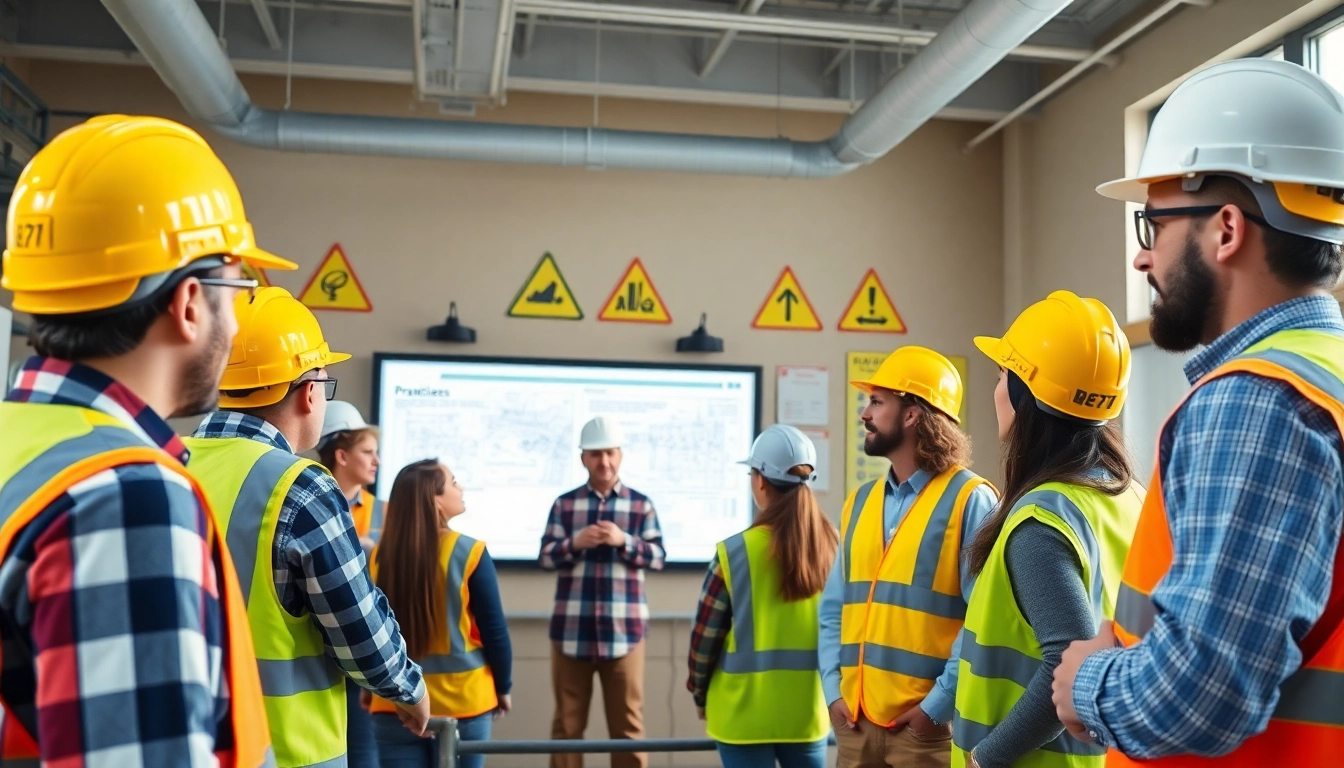
Understanding Construction Safety Training
What is Construction Safety Training?
Construction safety training is a critical educational process aimed at teaching workers and management about safety protocols, hazards, and compliance regulations inherent to the construction environment. This type of training encompasses various topics, such as fall protection, personal protective equipment (PPE) usage, scaffold safety, electrical safety, and hazard recognition. By engaging in construction safety training, individuals develop a comprehensive understanding of the potential risks they face on-site and the strategies to mitigate these risks effectively.
The Importance of Safety in Construction
The construction industry is known for its dynamic and sometimes hazardous work environments. According to industry statistics, millions of workers are employed in construction-related jobs, making it one of the most significant sectors globally. As such, prioritizing safety is not just a regulatory requirement but a fundamental aspect of business responsibility. By investing in construction safety training, employers can significantly reduce workplace accidents, enhance employee morale, and lower insurance costs associated with accidents and injuries.
Common Types of Construction Safety Training
There are several types of construction safety training tailored to meet the diverse needs of the workforce. Common types include:
- General Safety Orientation: Provides a foundational understanding of safety policies and procedures.
- Fall Protection Training: Focuses specifically on practices to prevent falls from heights.
- Hazard Communication: Educates workers about hazardous materials they may encounter.
- Equipment Safety Training: Covers the safe operation of machinery and tools.
- Emergency Response Training: Prepares employees to handle emergencies effectively.
Key Components of Effective Training Programs
Curriculum Development for Construction Safety Training
Creating an effective curriculum for construction safety training involves several key elements. First, organizations must assess the specific risks and challenges unique to their construction sites. This assessment leads to tailored training content relevant to the tasks performed by workers. Utilizing feedback from experienced workers can also provide valuable insights. Incorporating a mix of theoretical and practical content allows for a more engaging training experience, covering essential topics while emphasizing real-world applications.
Utilizing Technology in Training
With digital transformation touching every aspect of business, construction training is no exception. Online training modules, simulation software, and virtual reality (VR) can enhance the learning experience by allowing participants to immerse themselves in simulated environments. Technologies such as mobile apps enable ongoing access to training resources and safety bulletins, ensuring that workers have the information they need at their fingertips, anytime, anywhere.
Hands-On Learning Opportunities
While theoretical knowledge is essential, hands-on training is crucial for reinforcing safety principles. Effective programs include practical exercises where employees can practice skills on-site, such as using safety harnesses or inspecting equipment. Incorporating role-playing scenarios can further enhance understanding, allowing workers to navigate challenges they might face in real life safely.
Best Practices for Implementation
Engaging Workers in Safety Training
Involving workers in their own safety training fosters a culture of safety across the organization. Encouraging participation through discussions, hands-on activities, and feedback loops helps create an atmosphere where workers feel responsible for their safety and that of their teammates. Implementing recognition programs that reward safe behavior can also motivate employees to engage actively in their safety training.
Evaluating Training Needs
Regularly evaluating training needs is essential to ensure that the content remains relevant and effective. Techniques such as surveys, interviews, and incident analysis can help identify gaps in training. Additionally, understanding changes in regulations or emerging technologies can inform necessary curriculum updates. This proactive approach helps organizations stay ahead of potential safety hazards.
Continuous Improvement Practices
Construction safety training should be viewed as an ongoing process rather than a one-time event. Establishing a culture focused on continuous improvement involves not only updating training programs as needed but also seeking feedback from participants. Regularly scheduled refresher courses and updates based on regulatory changes will ensure that the training remains effective and valuable over time.
Measuring the Impact of Training
Performance Metrics for Training Success
To understand the value of construction safety training, organizations must implement performance metrics to evaluate success. Common metrics include incident rates, near-miss reports, and worker retention rates. Additionally, performance assessments before and after training sessions can provide insights into knowledge retention and behavioral changes amongst participants.
Feedback Mechanisms
Instituting feedback mechanisms is vital in assessing the effectiveness of training programs. Collecting input from participants through surveys or focus groups can highlight areas of success and improvement. Understanding workers' perspectives on training effectiveness can drive changes that enhance engagement and efficacy.
Adjusting Programs Based on Results
To continuously improve construction safety training, organizations should regularly analyze results from performance metrics and feedback. Adjustments may involve refining curriculum content, changing delivery methods, or adopting new technologies. The goal is to create a dynamic training program that evolves with the industry's needs and challenges.
FAQs on Construction Safety Training
What are the benefits of construction safety training?
Construction safety training significantly reduces workplace accidents, enhances worker safety, and ensures compliance with regulations, ultimately saving costs and improving morale.
Who should undergo construction safety training?
All construction workers, including laborers, supervisors, and managers, should participate to enhance overall site safety awareness and compliance with safety regulations.
How often should safety training occur?
Regular training is recommended, ideally conducted annually, with refreshers following incidents or when introducing new equipment to ensure ongoing awareness and compliance.
Can training be done online?
Yes, various aspects of construction safety training can effectively be delivered through online platforms, offering flexibility and accessibility for workers at different sites.
What are the requirements for certification?
Certification usually requires completing a recognized course and passing an examination that demonstrates understanding of essential safety practices and regulations.