Understanding the Cape Cod Home Aesthetic
Historical Background and Characteristics
The cape cod home style emerged in the 17th century as settlers sought practical yet aesthetically pleasing designs suitable for the New England climate. This architectural style reflects both a response to environmental conditions and a connection to early American heritage. The homes were primarily one or one-and-a-half stories tall, featuring steep roofs that shed snow and heavy rains efficiently.
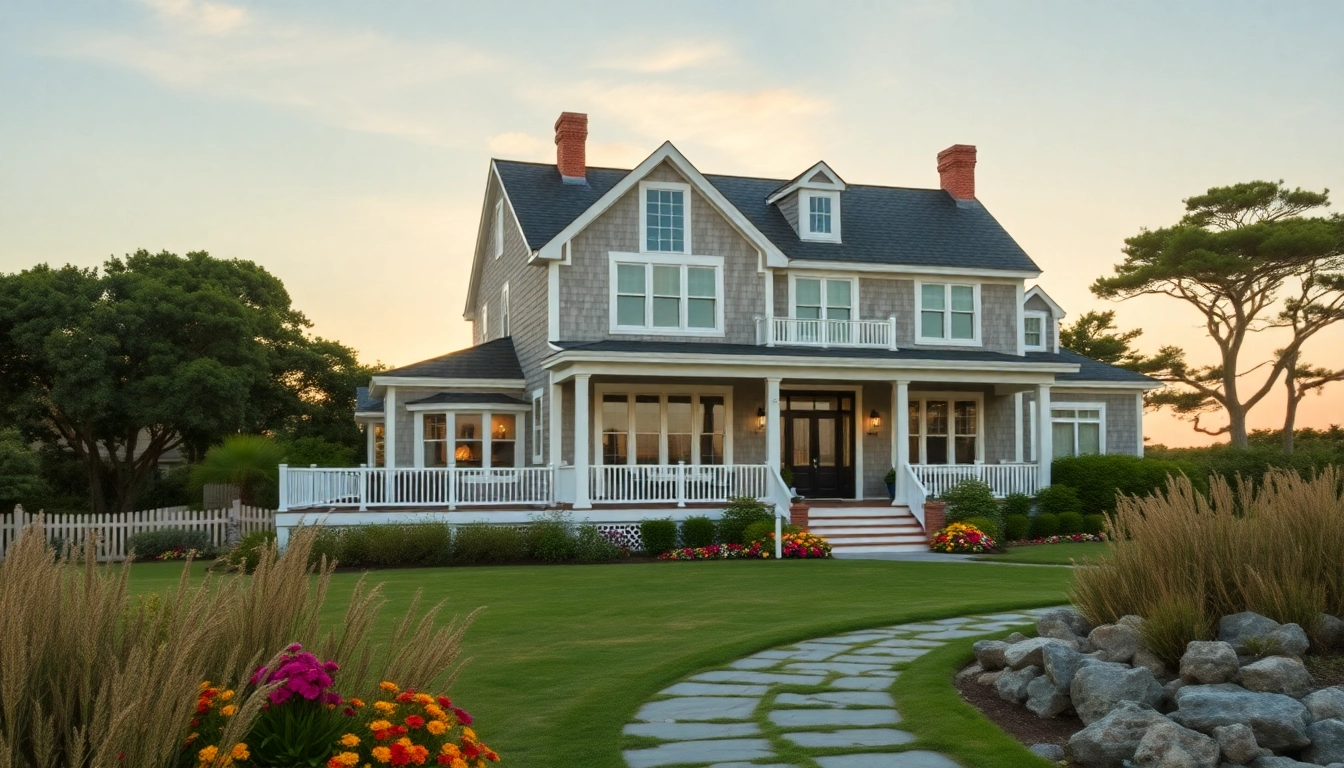
Typical Cape Cod homes often display a rectangular shape, symmetrical facades, and dormer windows that enhance usable space in the attic. This simplicity in design provides a cozy, straightforward appeal which has remained popular for centuries.
Common Architectural Features
When defining the cape cod home, several key features stand out:
- Steep Roofs: The sharp, sloping roofs are designed to prevent snow accumulation and include dormers for added light and space.
- Symmetrical Shape: The balance in design where windows and doors are placed symmetrically reflects harmony and simplicity.
- Wooden Siding: Traditionally painted in muted colors, clapboard or shingle siding remains an enduring favorite.
- Front Porch: Many capes incorporate charming porches that create a welcoming entrance to the home.
- Chimneys: Central to the original design, large chimneys add character and functionality.
Adapting the Style for Modern Living
Despite its historical roots, the cape cod home can easily be adapted for contemporary lifestyles. Homeowners often blend traditional aesthetics with modern convenience. This can include open floor plans that enhance natural light, updated kitchens with energy-efficient appliances, and advanced technology that promotes smart living.
Incorporating materials such as glass and steel can also modernize the look while respecting the original architectural elements. These adaptations ensure that the essence of the cape cod style persists while meeting modern demands.
Design Elements of the Cape Cod Home
Key Exterior Attributes
The exterior of a traditional cape cod home is notable for its compact and sturdy design. The use of natural materials that age gracefully with time contributes to the home’s character. Colors are primarily soft and muted to blend with the natural surroundings.
Landscaping complements these homes with simple, informal gardens and patios that harmonize with the overall aesthetic. Planting native vegetation and creating stone walkways also enhance the visual appeal while being environmentally conscious.
Interior Design Inspirations
Inside, the cape cod home is often characterized by cozy spaces. Open-concept living areas create a sense of flow and warmth, while the use of wooden beams and natural finishes accentuate a rustic charm. Warm color palettes featuring soft whites, blues, and grays are prevalent, creating inviting and serene interiors.
Incorporating vintage or antique furniture pieces can further enhance the character, embracing the home’s history while offering functionality and comfort.
Landscaping That Complements the Architecture
Landscaping plays a crucial role in the overall impact of a cape cod home. The ideal landscape should frame the home’s beauty while providing functional outdoor spaces. Low-maintenance plants and native flora are ideal as they thrive in the local climate.
Adding pathways, rock gardens, and seating areas can transform the outdoor space into an inviting extension of the home, perfect for entertaining guests or enjoying solitude.
Popular Additions to a Cape Cod Home
Expanding with an Attached Garage
One of the most practical additions to a cape cod home is an attached garage. This not only serves the functional purpose of sheltering vehicles but also provides extra storage space. The architecture can blend seamlessly by mirroring existing design elements, such as siding and roof lines, ensuring it complements the overall aesthetic.
When designing the garage, consider including space for hobbies or workshop areas, enhancing its utility while adding value to the property.
Creating Functional Outdoor Spaces
Outdoor living spaces are an essential feature in modern cape cod homes. Adding decks, patios, or screened porches can provide areas for relaxation and entertainment. These spaces should be designed to flow smoothly from the interior, blurring the boundaries and creating an inviting atmosphere.
Incorporating features like fire pits, outdoor kitchens, and comfortable seating arrangements can increase the usability of these extensions, turning them into year-round enjoyment spots.
Upgrades for Energy Efficiency
As sustainability becomes more vital to homeowners, energy efficiency upgrades are an increasing priority. For cape cod homes, this can involve enhancing insulation, installing energy-efficient windows, and using high-performance HVAC systems. Solar panels can also be integrated discreetly onto rooftops, providing renewable energy without compromising aesthetic appeal.
Implementing these upgrades can significantly reduce utility costs and enhance the home's overall comfort while being eco-friendly.
Choosing the Right Location for Your Cape Cod Home
Evaluating Coastal vs. Inland Sites
The location of your cape cod home can significantly influence its design and overall lifestyle. Coastal sites offer breathtaking views and an appealing ambiance but come with unique challenges, such as erosion and salt exposure. On the other hand, inland locations might provide easier access to amenities and a lower risk of natural weather-related issues.
Consider your lifestyle preferences, maintenance requirements, and future resale value when choosing your ideal setting.
Considerations for Climate and Environment
The natural environment plays an important role in the suitability of a location for a cape cod home. Evaluating local climate patterns can guide decisions on building materials, landscaping, and even architectural design. Areas with harsh winters may require specific insulation, while coastal homes should be designed with weather-resistant materials.
Furthermore, proximity to water sources, wildlife, and unique topographies can enhance your living experience or pose challenges.
Proximity to Amenities and Community
A cape cod home should ideally be situated near necessary amenities such as schools, healthcare, shopping, and recreational facilities. Strong community ties can enhance your living experience and provide assurance in safety and social engagement.
Evaluate potential neighborhoods based on personal preferences regarding lifestyle and meaningful connections with neighbors.
Frequently Asked Questions
What defines a cape cod home?
A cape cod home is characterized by its steep roof, symmetrical shape, dormer windows, and often a cozy, cottage-like appearance.
How can I incorporate modern design into a cape cod home?
You can blend modern elements by using open floor plans, sleek furnishings, and updated technology while maintaining traditional elements.
What are essential features for a family-friendly cape cod home?
Consider spacious living areas, multi-functional rooms, and outdoor spaces for play and relaxation to make a cape cod home family-friendly.
Is it advisable to build a cape cod home near the beach?
Yes, beach locations enhance the cape cod aesthetic, but ensure proper planning for erosion and building codes to protect your investment.
What landscaping works best with a cape cod home?
Opt for native plants, colorful flower beds, and stone pathways to create a harmonious, inviting look that complements the home’s style.