Understanding Dried Flowers
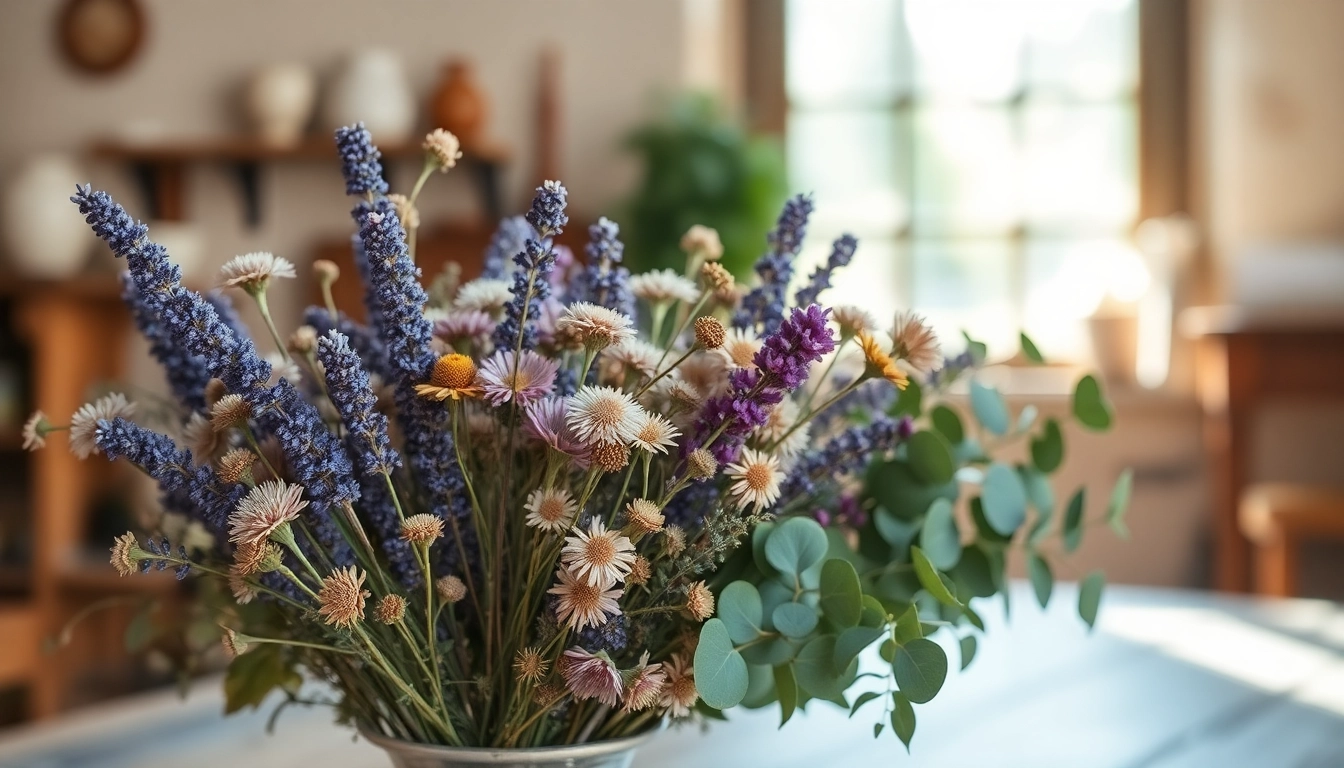
Dried flowers have emerged as a chic choice for home décor, crafts, and arrangements—showcasing a unique aspect of floral beauty that transcends their fresh counterparts. These preserved blooms not only contribute aesthetically but also hold sentimental value for many, making them ever more popular in personal projects and commercial offerings alike. Let's delve deeper into the captivating world of dried flowers.
What Are Dried Flowers?
Dried flowers are plant blooms that have had the moisture removed intentionally, allowing them to maintain their shape and color for extended periods. The drying process enhances their natural beauty and can stop the aging process, providing lasting decor. Commonly used in arrangements, weddings, or as standalone art pieces, dried flowers come in various forms and colors.
The Drying Process Explained
There are several methods to dry flowers, each yielding different textures and colors:
- Air Drying: A traditional method where flowers are tied in bundles and hung upside down in a cool, dark place. This method is simple but may take longer to achieve the desired dryness.
- Silica Gel Drying: This technique involves burying flowers in silica gel, which absorbs moisture quicker and helps retain vibrant colors.
- Pressing: Flowers are sandwiched between parchment paper and pressed under heavy books or in a flower press. This is ideal for flat applications, such as bookmarks or artwork.
- Microwave Drying: A quicker method entails using a microwave with silica gel. Heat settings need to be carefully monitored to prevent burning.
Benefits of Using Dried Flowers
The appeal of dried flowers lies in their long-lasting nature and versatility. They require minimal maintenance, last much longer than fresh flowers, and can be enjoyed year-round. Beyond aesthetic uses, dried flowers bring an emotional connection to nature and can serve as timeless keepsakes.
Popular Types of Dried Flowers
Best Flowers for Drying
Not all flowers dry equally well. Some of the best candidates include:
- Lavender: Known for its calming scent, it's sturdy and retains its color well.
- Roses: A classic choice, especially when dried at peak bloom.
- Statice: Its vibrant colors and strong petals make it perfect for arrangements.
- Gypsophila (Baby's Breath): Commonly included in bouquets for added texture.
Seasonal Dried Flower Options
Seasonal availability can dramatically influence your choice of dried flowers:
- Spring: Look for tulips and daisies that dry beautifully.
- Summer: Sunflowers and zinnias are vibrant choices that can be dried.
- Autumn: Consider dahlias and asters for their rich colors.
- Winter: Pine cones and eucalyptus provide rustic charm in cold months.
Unique Varieties to Explore
Explore unusual varieties that can add character to your displays:
- Celosia: Known for its unique shape and durability.
- Helenium: Bright, natural colors that stand out.
- Thistle: Adds texture while remaining sturdy during the drying process.
Incorporating Dried Flowers in Home Décor
Creative Display Ideas
Dried flowers can enhance various home styles, from rustic to modern. Consider using them in:
- Vases: Simple arrangements in a glass vase can add charm to a mantel or dining table.
- Wall Hangings: Create a unique display by affixing dried flowers to a wooden board or canvas.
- Table Centerpieces: Use them in combination with candles for an eye-catching centerpiece.
Seasonal Arrangements Using Dried Flowers
Embrace the seasons with arrangements that reflect nature's changes. Incorporating seasonal colors can make your décor feel cohesive and timely. For instance:
- Spring: Light pastels and delicate flowers.
- Summer: Bright, saturated colors for a lively atmosphere.
- Autumn: Rich reds, oranges, and yellows to emulate changing leaves.
- Winter: Earthy tones with evergreen elements for a cozy feel.
Combining Dried and Fresh Flowers
For added depth and texture in arrangements, consider combining the two. Fresh flowers can provide fragrance and vitality, while dried flowers can add stability and longevity. Experimenting with different combinations can result in stunning visual impacts.
DIY Projects with Dried Flowers
Crafting Bouquets and Wreaths
Crafting with dried flowers is not only rewarding but can produce sentimental keepsakes.
- Hand-Tied Bouquets: Combine various dried flowers into a unique bouquet, ideal for gifts.
- Dried Flower Wreaths: Perfect for holidays or seasonally changing home décor. Bind stems in a circular shape for an inviting entry piece.
Creating Home Fragrance with Dried Flowers
While dried flowers don't have the same fragrance as fresh ones, they can be used creatively to infuse scent into your home. Here’s how:
- Pouches: Fill small fabric pouches with dried lavender, chamomile, or mint for a natural drawer fragrance.
- Potpourri: Combine various dried flowers with essential oils to create colorful and fragrant displays.
Using Dried Flowers in Gift Making
Dried flowers make unique and personal gifts that can be cherished for years. From adding them to cards as embellishments to creating crafted pieces such as bookmarks or framed art, the possibilities are endless.
Caring for and Preserving Dried Flowers
Best Practices for Longevity
To maintain the beauty of your dried flowers, follow these tips:
- Keep away from direct sunlight: This prevents fading and preserves colors.
- Avoid humidity: Excess moisture can lead to mold and deterioration.
- Regular dusting: Gently dust arrangements to keep them looking fresh.
Storage Tips for Dried Flowers
When not on display, store dried flowers in a cool, dark place. Use airtight containers to guard against dust and humidity, ensuring they retain their natural beauty until you’re ready to use them.
Signs to Replace Your Dried Flowers
While dried flowers can last a long time, they will eventually show signs of wear. Be on the lookout for:
- Color Fading: Notable loss of vibrancy can indicate it's time for a change.
- Brittleness: If flowers start to crumble easily, they may need replacing.
- Signs of Mold: Any visible irregularities can signal deterioration.
FAQs about Dried Flowers
What is the significance of dried flowers?
Dried flowers symbolize endurance and resilience, representing lasting beauty and remembrance, which can be meaningful in various contexts.
Which flowers make the best dried flowers?
Flowers like roses, lavender, and statice are ideal for drying due to their sturdy petals and low moisture content, ensuring longevity and beauty.
How do I store dried flowers?
Store dried flowers in a cool, dark place in airtight containers to prevent moisture and dust, helping them maintain their beauty over time.
Can dried flowers be used for fragrances?
Yes, dried flowers can be used to create home fragrances through potpourri or sachets, providing a natural scent without the need for fresh blooms.
How long do dried flowers last?
With proper care, dried flowers can last from several months to a few years, depending on the flower type and environmental conditions.