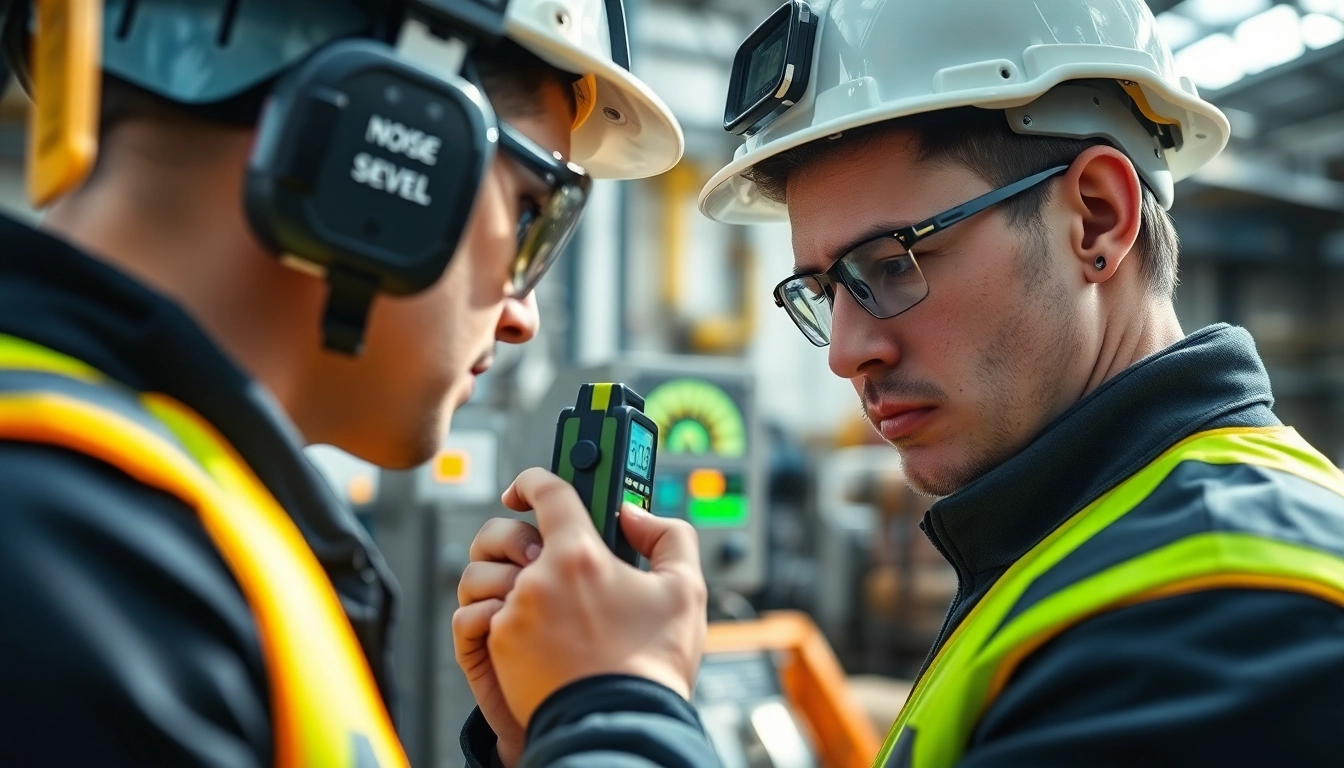
Understanding Noise Assessment Survey
What is a Noise Assessment Survey?
A noise assessment survey is a systematic process that evaluates the sound levels emitted in various environments, particularly workplaces, to identify potential hazards related to noise exposure. The primary aim of such surveys is to understand the impact noise can have on employees’ health and the overall operational efficiency of a facility. Conducting a noise assessment survey allows companies to gather comprehensive data regarding sound levels, sources of noise, and the time spent in areas where sound exposure may exceed recommended limits.
Importance of Noise Assessment Surveys in Workplaces
The significance of noise assessment surveys cannot be overstated, especially in industries where machinery and heavy equipment are prevalent. Excessive noise can lead to a variety of detrimental effects on human health, including but not limited to hearing loss, increased stress levels, and decreased productivity. By identifying high noise areas within the workplace through careful measurement and analysis, businesses can take proactive steps to mitigate these risks, ensuring a safer working environment.
Furthermore, regular noise assessments help organizations adhere to regulatory standards, often set by occupational health authorities, enhancing their commitment to employee welfare and corporate responsibility. By maintaining acceptable noise levels, companies not only protect their workforce but also uphold their reputation and minimize potential legal liabilities associated with workplace noise issues.
Key Components of Effective Noise Assessment Surveys
To conduct an effective noise assessment survey, several key components should be considered:
- Survey Design: This includes defining the objectives, determining the survey location, and selecting the appropriate time for measurements to capture peak noise levels.
- Measurement Equipment: Utilizing calibrated sound level meters and dosimeters to ensure accurate readings of noise levels.
- Analysis of Data: Interpreting the collected data to identify noise sources, levels, and exposure duration, allowing for a comprehensive understanding of noise impact.
- Reporting: Producing clear and concise reports outlining findings, recommendations, and any necessary action plans to improve workplace acoustics.
Types of Noise Assessment Surveys
Industrial Noise Assessment Surveys
Industrial noise assessment surveys are crucial in environments such as factories, construction sites, and processing plants where high levels of noise are frequent. These surveys measure sound levels across various machinery and operations, allowing for detailed mapping of noise exposure throughout the facility. Identifying high-noise zones enables businesses to implement engineering controls such as sound barriers or noise-reducing equipment, ultimately protecting workers from excessive noise exposure.
Environmental Noise Assessment Surveys
Environmental noise assessment surveys evaluate noise in public spaces, residential areas, and near sensitive locations like schools and hospitals. These surveys consider the effects of noise pollution from sources such as traffic, construction, and industrial activities on the surrounding community. By monitoring environmental noise levels, regulations can be upheld, and necessary adjustments made to minimize disruptive sounds, improving the quality of life for residents.
Construction Noise Assessment Surveys
Construction noise assessment surveys focus specifically on measuring and controlling noise generated during construction activities. As construction sites often operate within proximity to residential and commercial areas, these surveys help identify peak noise times and levels, enabling project managers to inform stakeholders and plan construction schedules accordingly. Employing noise-reduction strategies, such as limiting work hours, utilizing quieter equipment, or implementing noise barriers, can significantly mitigate the impact on nearby communities.
Steps for Conducting a Noise Assessment Survey
Preparation and Planning
Effective noise assessment surveys begin with thorough preparation and planning:
- Define Objectives: Establish clear goals for the assessment, determining what specific concerns you want to address.
- Select Locations: Identify which areas require evaluation, taking into consideration both routine employee activities and periods of unusual noise.
- Choose Equipment: Decide on the necessary equipment based on the survey objectives and the environment being assessed. Sound level meters, noise dosimeters, and recording devices are commonly used.
- Obtain Permissions: If applicable, notify relevant stakeholders and obtain necessary permissions to access specific locations within the facility.
Executing the Survey
The execution phase involves systematic data collection through measurements at identified sites:
- Conduct Measurements: Use calibrated devices to capture sound levels over a specified period. This may include short-term measurements or longer continuous monitoring depending on the objectives.
- Document Conditions: Note environmental conditions during measurements such as weather, traffic, or operational changes. This context is crucial for accurate analysis and reporting.
- Engage Personnel: Involve employees in the process, encouraging awareness of noise levels and facilitating anecdotal data regarding their experiences in the workplace.
Data Analysis and Reporting
Once data has been collected, the next step is thorough analysis and reporting:
- Analyze Data: Process the recorded noise levels, compare them with established benchmarks, and identify patterns or trends.
- Prepare a Comprehensive Report: Document findings in a clear, organized manner, including graphs and charts representing noise data alongside recommendations for any necessary actions.
- Disseminate Findings: Share results with key stakeholders, ensuring that everyone involved understands the implications of findings and the subsequent steps that will be taken.
Regulatory Compliance and Noise Assessment Surveys
Understanding OSHA Regulations
Occupational Health and Safety Administration (OSHA) regulations play a pivotal role in workplace noise assessment surveys. According to OSHA, employers are required to monitor noise levels when exposure can reach or exceed 85 dBA over an 8-hour work shift. Monitoring is essential to determine whether employees need to be enrolled in a hearing conservation program. Regular assessments help ensure compliance and protect workers from noise-induced hearing loss.
Other Regulatory Standards and Guidelines
In addition to OSHA, there are other regulatory bodies that set standards and guidelines for noise levels, including the American National Standards Institute (ANSI) and the National Institute for Occupational Safety and Health (NIOSH). Familiarity with these regulations helps employers understand their legal obligations and helps shape policy related to noise management in the workplace. Adhering to these standards is vital for maintaining safe work environments and preventing legal repercussions.
Best Practices for Compliance
To achieve compliance with noise regulations, organizations should consider the following best practices:
- Regular Monitoring: Schedule periodic noise assessments to maintain awareness of sound level changes over time.
- Implement Control Measures: Based on survey findings, proactively invest in engineering controls and administrative changes to alleviate noise exposure.
- Employee Training: Educate employees about noise hazards, the significance of assessment surveys, and encourage their involvement in maintaining a quieter workplace.
Improving Workplace Conditions Post-Survey
Implementing Noise Control Measures
After conducting a noise assessment survey, it is crucial for organizations to implement relevant noise control measures. Some strategies include:
- Engineering Controls: These can involve soundproofing materials, isolation equipment, and installing noise barriers to minimize noise transmission.
- Administrative Controls: Modifying work schedules or practices that reduce noise exposure, such as limiting the time employees spend in loud areas.
- Personal Protective Equipment (PPE): Providing employees with hearing protection devices when noise cannot be adequately controlled through other means.
Monitoring Effectiveness of Noise Mitigation
Following the implementation of control measures, ongoing monitoring is vital to ensure that these strategies are effective in reducing noise exposure:
- Conduct Follow-Up Assessments: Regularly perform additional noise surveys to evaluate the effectiveness of implemented measures.
- Solicit Employee Feedback: Engage employees in discussions regarding their perceptions of noise levels post-implementation to assess satisfaction and areas for improvement.
- Adjust Strategies as Necessary: If noise levels remain high, be prepared to adapt or enhance control measures in response to employee feedback and further assessments.
Employee Training and Awareness
An informed workforce is invaluable for maintaining an environment conducive to health and safety. Organizations should provide training that covers:
- Understanding Noise Risks: Educating employees about the potential health effects of excessive noise and the importance of sound management.
- Recognizing Noise Sources: Helping employees identify problematic areas within their workspaces that may require attention or further assessment.
- Promoting Reporting Procedures: Encouraging employees to report noise-related concerns or issues, fostering a culture of safety and open communication.