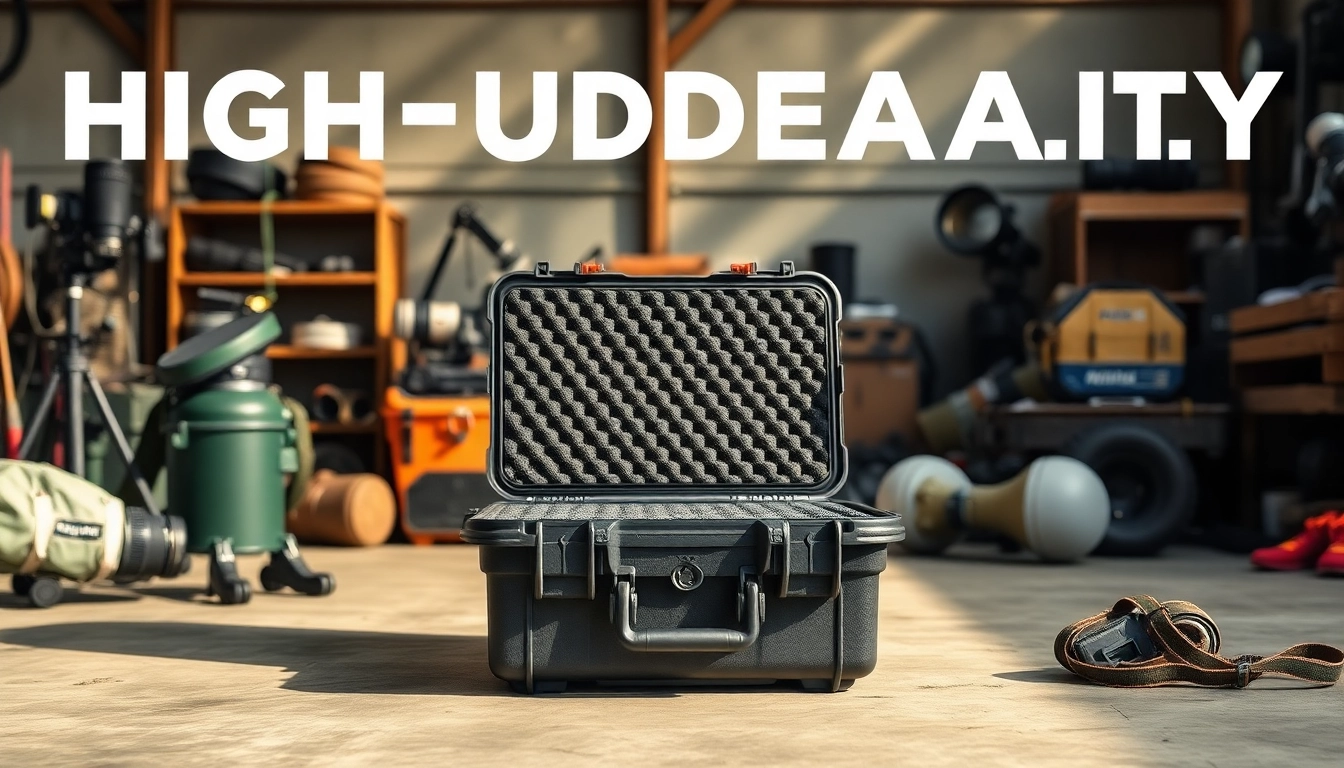
Understanding the Importance of a Hard Case
When it comes to safeguarding valuable equipment—from electronics to firearms—one solution stands out for its efficacy: the hard case. These durable containers are specifically designed to provide robust protection against environmental hazards and physical shocks, making them indispensable for anyone serious about their gear's longevity. In this article, we will explore the critical role a hard case plays in protecting your investments, considering its various applications, benefits, and features.
What is a hard case?
A hard case is a type of protective carrying case made from materials such as molded plastic, aluminum, or fiberglass. These cases provide a structural integrity that softer cases cannot match, ensuring equipment remains secure and intact during transport and storage. This durability makes hard cases favorable among professionals in fields such as photography, firearms, and scientific research, where sensitive equipment is regularly moved in dynamic environments.
Key benefits of using a hard case
The advantages of hard cases are multifaceted, catering to the needs of various users:
- Impact Resistance: Hard cases offer superior protection against bumps, drops, and impacts, keeping the contents safe even in adverse conditions.
- Weather-Proofing: Many hard cases are designed to be waterproof and dustproof, providing an essential barrier against moisture and contaminants that can damage your gear.
- Security Features: With robust locking mechanisms, hard cases bring an added layer of security, ideal for sensitive equipment like firearms or valuable electronics.
- Customizable Interiors: Most hard cases can be outfitted with customizable foam inserts, tailored to accommodate a specific collection of items securely and efficiently.
Versatility in applications for hard cases
Hard cases reveal their versatility across multiple applications:
- Photography Gear: Photographers often rely on hard cases to transport camera bodies, lenses, and accessories, offering protection from impact and moisture.
- Musical Instruments: Musicians use hard cases to protect delicate instruments from damage during transit.
- Firearms Storage: Gun owners trust hard cases for secure storage and transportation of their firearms, ensuring compliance with safety regulations.
- Industrial Equipment: In manufacturing and research environments, hard cases safeguard delicate instruments and electronic devices from environmental hazards.
Types of Hard Cases Available
The diversity of hard cases caters to various requirements and preferences. Understanding the available options can significantly influence your purchasing decision.
Common materials used in hard cases
Hard cases are constructed from several materials, each offering different benefits:
- Polypropylene: This lightweight, durable plastic material is often used in injection-molded cases, providing good protection at a lower weight.
- Aluminum: Known for its robustness, aluminum cases offer a rugged aesthetic alongside exceptional protection, making them ideal for professional use.
- Fiberglass: Offering superior durability and resistance to harsh environmental conditions, fiberglass cases are favored where extended use is expected.
- High-Density Foam: Common as an inner lining, these foam interiors provide tailored cushioning, keeping equipment secure from jolts.
Different styles of hard cases
Hard cases come in various styles, catering to specific needs:
- Protective Cases: Often used for sensitive electronics, these cases are designed for maximum cushioning and weather resistance.
- Gun Cases: Specifically designed for firearms, these cases include additional security features and often abide by legal specifications for transportation.
- Instrument Cases: Musicians benefit from instruments cases that offer custom fittings and protective cushioning.
- Travel Cases: Designed for mobility, these cases typically include wheels and comfortable handles, making them ideal for frequent travelers.
Choosing between hard and soft cases
When deciding between hard and soft cases, understanding your specific needs is vital:
- Protection: Hard cases excel in impact resistance and environmental protection compared to soft cases.
- Weight: Soft cases are typically lighter, providing easier portability without sacrificing too much protection.
- Cost: Soft cases may offer a more economical option but could require replacement more frequently due to wear and tear.
- Customization: Hard cases allow for tailored interiors suitable for specific items, which soft cases often lack.
Key Features to Consider
When selecting a hard case, various features should be evaluated to ensure you choose the right one for your needs.
Protection against elements: waterproof and dustproof
A hard case's primary function is to protect its contents from external elements. Many high-quality hard cases are built to be waterproof and dustproof:
- IP Ratings: Look for cases with high Ingress Protection (IP) ratings, indicating their effectiveness against water and dust.
- Sealed Edges: Many cases have sealed edges or gaskets that provide airtight containment, crucial for moisture-prone environments.
Customization options for specific gear
Customization can significantly enhance the protective features of hard cases:
- Foam Inserts: Choose cases that allow you to add foam inserts tailored to the particular shape and size of your equipment.
- External Features: Customizable external sections can hold additional accessories, providing a more organized transport solution.
Mobility features: wheels and handles
For cases intended for travel, mobility features are essential:
- Wheels: Look for cases with robust wheels designed for smooth transport over various terrains.
- Handles: Ergonomic handles should be standard, providing comfort during extended use.
How to Maintain Your Hard Case
Preserving the integrity and aesthetics of your hard case is vital for long-term use. Here are some effective tips for maintaining your hard case:
Cleaning and care tips for hard cases
Regular cleaning can prolong the lifespan of your hard case:
- Use Mild Cleaner: A simple soap-and-water solution typically suffices for routine cleaning. Avoid harsh chemicals that may corrode materials.
- Dust Collection: Regularly dust your case, especially the hinges and seals, to prevent grit buildup that could affect functionality.
Identifying damage and repairs
Regular check-ups can help catch damage early:
- Inspection: Routinely inspect your case for cracks, dents, or compromised seals that could affect its protective features.
- Repairs: Many manufacturers offer repair services, ensuring your hard case can maintain its protective function over time.
Longevity of hard cases: What to expect
Hard cases are generally built to last, but various factors affect their longevity:
- Usage Frequency: The more often you use and transport your case, the more wear and tear it may incur.
- Environmental Conditions: Exposing your case to extreme temperatures, moisture, or sunlight can speed up degradation.
Frequently Asked Questions
What are the most common uses for hard cases?
Hard cases are commonly used for transporting instruments, camera equipment, firearms, and other valuable gear, protecting them from impact and harsh conditions.
Can I customize my hard case?
Yes, many hard cases offer customizable foam inserts or external designs to fit specific items and personal preferences for enhanced protection.
Are hard cases waterproof?
Many hard cases are designed to be waterproof, making them an excellent choice for protecting gear from liquid damage in various environments.
How do I choose the right size hard case?
Select a hard case that accommodates all your gear with a snug fit to prevent movement during transit while allowing for additional compartments if needed.
Is it worth investing in a high-quality hard case?
Investing in a high-quality hard case ensures better protection, longevity, and peace of mind when transporting valuable equipment.