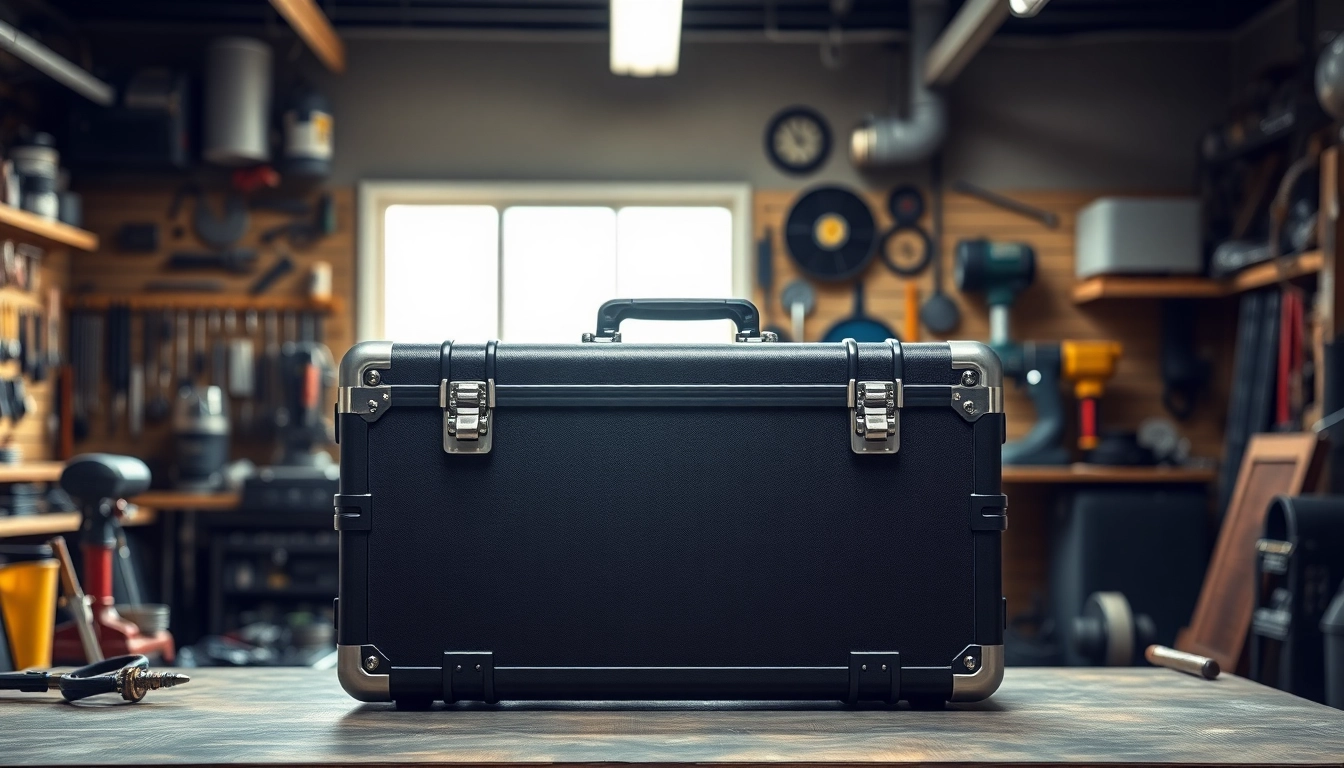
Understanding the Importance of a Hard Case
When it comes to safeguarding valuable equipment, a reliable hard case holds significant importance. Whether you're a photographer protecting your camera gear, a musician securing instruments, or an outdoor enthusiast safeguarding tools, the right case makes all the difference in preservation and safety. This article explores why investing in a hard case is critical, what materials are commonly used, and how these factors contribute to the overall durability and functionality of the case.
Why Invest in a Hard Case?
Investing in a hard case is crucial for several reasons. First and foremost, hard cases provide protection against physical impacts, moisture, dust, and other harmful environmental factors. Unlike soft cases, which may offer limited shielding, hard cases are built to withstand harsh conditions, making them ideal for travel and storage of sensitive equipment.
Additionally, many hard cases are designed with features such as padding and custom foam inserts that offer added protection. This ensures that equipment does not shift around within the case and minimizes the risk of damage during transport. Overall, the long-term benefits of protecting your investment and potentially saving costs on repairs or replacement make a hard case a worthwhile investment.
Durability Factors to Consider
Not all hard cases are created equal; several factors impact their durability. One of the key factors is the material used in the construction of the case. Look for cases that incorporate high-impact plastics or reinforced materials, which are designed for robustness. Cases made from polypropylene, for instance, are known for their lightweight yet sturdy properties.
Other durability factors include waterproofing and weather resistance. A truly durable case would not just shrug off water exposure but also resist dust and contaminants that could compromise the equipment inside. Evaluating these factors ensures that the investment pays off in the long run.
Typical Materials Used in Hard Cases
Common materials in hard case construction include:
- Polypropylene: Known for its lightweight properties and resistance to chemicals and moisture.
- ABS Plastic: Provides a hard, durable exterior that is also lightweight, offering good temperature resistance.
- Aluminum: Offers excellent strength and security but is generally heavier than plastic options.
- Fiber Composite: Combines various materials to enhance strength while maintaining low weight.
Selecting the right material is essential based on the intended use; for instance, photographers may prioritize waterproof materials, while musicians may need cases that absorb vibrations.
Types of Hard Cases Available
Overview of Common Hard Case Styles
Hard cases come in various styles tailored for specific uses. Common types include:
- Protective Equipment Cases: These cases are specifically designed for gear such as musical instruments, cameras, or medical equipment.
- Travel Cases: Offering added security features like locks, travel cases are built for ease of transport on planes and vehicles.
- Utility Cases: Used for tools and electronics, these often have customizable compartments for optimal organization.
- Padded Hard Cases: Providing protection alongside cushioning, these cases balance lightweight material with internal padding.
Customizable Hard Case Options
Another significant advantage of hard cases is their customizability. Many manufacturers offer options for clients to choose interior configurations suited to their specific needs. Custom foam inserts can be crafted to fit the unique dimensions of equipment, providing enhanced security and stability during transport. This customization not only protects against impacts but can also provide a professional presentation when traveling with equipment.
Comparing Sizes and Capacities
The size of a hard case is crucial based on the equipment it is intended to protect. Some cases come in standard sizes, while others can be made to order. When assessing size, consider both the dimensions of the equipment and the space needed for accessories. Having a case that fits well is important to prevent movement that could lead to damage.
In addition, capacity refers to the hardness and resilience of the case. A higher capacity may indicate a more durable outer shell, while also allowing for additional storage features such as pockets for smaller items. It’s essential to compare size versus capacity and find a balance that meets the specific needs of any equipment being stored.
Choosing the Right Hard Case for Your Needs
Assessing Your Equipment's Requirements
Before purchasing a hard case, it is vital to conduct a thorough assessment of the specific equipment you need to protect. Consider the following:
- Dimensions: Measure the length, width, and height of your equipment to ensure a snug fit.
- Value: Higher-value equipment often warrants an investment in premium protective cases.
- Usage Location: Equipment used in outdoor conditions may require additional weatherproofing and insulation.
Once these factors are evaluated, selecting a case that meets your equipment’s unique requirements becomes easier and more effective.
Budget Considerations
Budget plays a significant role in any purchasing decision, including hard cases. While it may be tempting to buy the cheapest option, remember that the quality and durability of the case often dictate the protections it can provide. Setting a budget based on how often you travel or how much value the equipment holds can help in making a wise investment.
It's worth comparing prices and features across different brands to ensure you are not only making a cost-effective choice but also one that protects your investment adequately.
Popular Brands and Features to Look For
While there are no specific brands to list, many companies manufacture reputable hard cases with particular features to consider:
- Locking Mechanisms: Cases with built-in locks or provisions for padlocks improve security for high-value equipment.
- Wheels and Handles: Considering mobility can be crucial if traveling frequently. Cases with wheels are easier to transport.
- Water and Dust Resistance: Look for claims related to IP ratings, which indicate the case's level of protection against water and dust.
Paying attention to these features allows for selecting a quality hard case that stands the test of time while readily accommodating specific needs.
Storing and Maintaining Your Hard Case
Proper Storage Guidelines
To extend the lifespan of your hard case, proper storage is vital. Store hard cases in a dry and cool environment away from direct sunlight. Extreme temperatures can warp certain materials, while excess moisture can lead to mold and mildew. If storing for a long period, it is best to keep them in a climate-controlled space to prevent degradation of the materials.
Cleaning and Maintenance Tips
Regular maintenance keeps your hard case looking new and enhances performance. Clean the exterior with a damp cloth, using mild soap if necessary. Avoid harsh chemicals, as they may erode certain materials. Check hinges and locks for functionality and lubricate where necessary to prevent sticking. For internal compartments, ensure foam is free of dust and debris, as residue can wear down protective quality over time.
When to Replace Your Hard Case
Even the sturdiest hard case may need replacing after years of use. Signs indicating it's time for a replacement include visible cracks, broken locks, or if the case no longer provides a secure fit for your equipment. Additionally, consider replacing it if the protective features have significantly worn down as compromising integrity could ultimately lead to equipment damage.
FAQs about Hard Cases
What is a hard case?
A hard case is a protective container typically made from durable materials designed to shield equipment from impacts, moisture, dust, and other environmental factors.
How do I choose the right size hard case?
Measure the dimensions of your equipment and choose a case that accommodates these measurements while allowing for any necessary accessories without excess space.
Are hard cases waterproof?
Many hard cases are designed to be waterproof; however, it is crucial to check product specifications for waterproof ratings and features.
Can I customize my hard case?
Yes, many manufacturers offer customizable options such as foam inserts to fit the unique dimensions of your equipment for added protection.
What materials are hard cases made of?
Typical materials include polypropylene, ABS plastic, aluminum, and fiber composites, each providing distinct benefits in terms of weight, durability, and weather resistance.