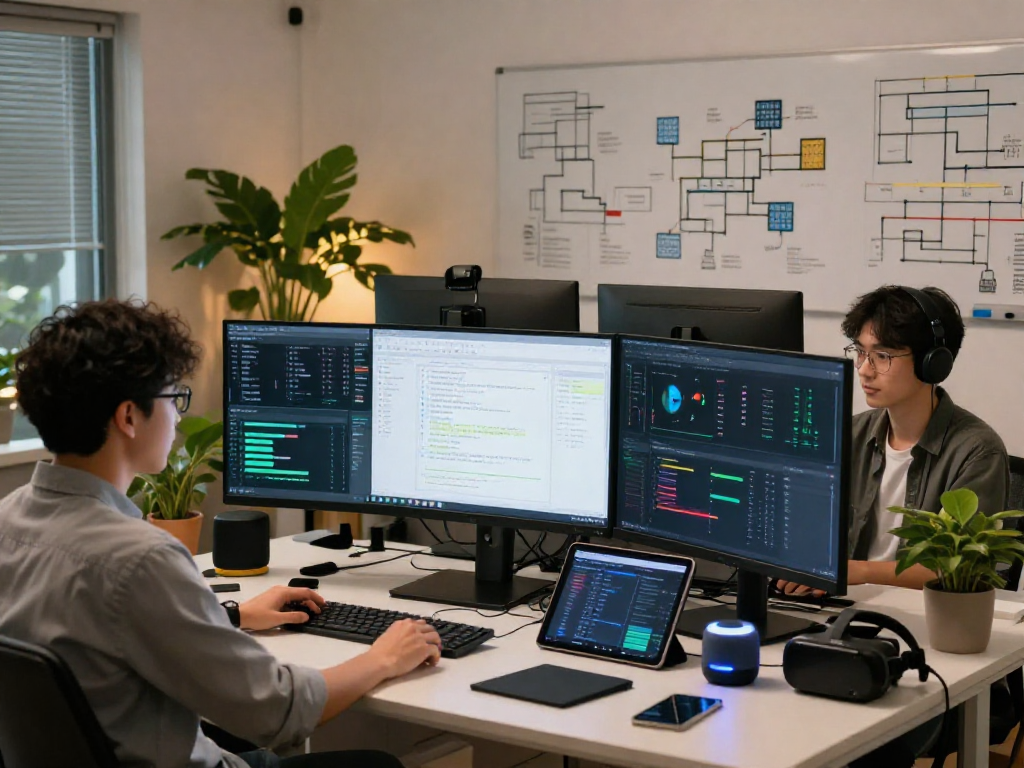
Understanding the Enterprise AI Assistant
What is an Enterprise AI Assistant?
An enterprise ai assistant is a sophisticated software system designed to help organizations optimize their operations through intelligent automation and assistance. Unlike simple virtual assistants, these AI technologies cater specifically to enterprise needs, utilizing vast data analytics, natural language processing (NLP), and machine learning algorithms to manage complex workflows and facilitate informed decision-making across various departments.
Key Features of an Enterprise AI Assistant
Enterprise AI assistants generally come packed with a plethora of features that enhance organizational capabilities. Some key features include:
- NLP & Understanding Context: These assistants can comprehend and interpret human language, allowing for more natural and fluid interactions.
- Integration Capabilities: They can seamlessly integrate with existing software systems, ensuring smooth data flow and operational continuity.
- Data Analysis: Advanced analytics functions help businesses extract valuable insights from data, significantly improving strategic decision-making.
- Customizability: Organizations can tailor the assistant’s functionalities according to specific needs, including industry-specific tasks.
- Multi-Channel Support: These systems can engage users across various platforms, including web, mobile, and enterprise applications, ensuring a consistent user experience.
The Role of Enterprise AI Assistants in Business
Enterprise AI assistants are not just productivity boosters; they play a pivotal role in reshaping business processes. They help automate mundane tasks, provide data-driven insights, and enhance communication within teams. Additionally, they facilitate scalability by adapting to growing enterprise demands. Their ability to process and synthesize large data sets enables better forecasting and more strategic planning, making them invaluable assets in today’s data-driven landscape.
Benefits of Implementing an Enterprise AI Assistant
Efficiency and Productivity Gains
One of the most significant advantages of deploying an enterprise AI assistant is the substantial increase in efficiency and productivity. By automating routine tasks, such as scheduling meetings, managing emails, and reporting analytics, employees can focus their efforts on high-impact activities. A study has shown that organizations leveraging AI for automation can see productivity increase by up to 30% over time.
Enhancing Customer Experience with AI
Enterprise AI assistants can dramatically improve customer engagement and satisfaction. They can provide instant responses to customer queries, personalize user experiences based on prior interactions, and offer 24/7 support without fatigue. Utilizing AI assistants to manage customer interactions helps build loyalty and trust, as clients feel heard and valued.
Cost Reduction and Resource Allocation
By streamlining operations and automating lower-level tasks, enterprises can significantly slash operating costs. Furthermore, AI-driven analytics can help organizations pinpoint inefficient resource allocation within teams and processes. This allows for more strategic reallocation of human resources where they can yield the best results, enabling better budget management and increased ROI.
Choosing the Right Enterprise AI Assistant Tool
Evaluating Key Features Based on Business Needs
When selecting an enterprise AI assistant, it is crucial to assess the tools against your specific business needs. Consider factors such as:
- Usability: Ensure the AI assistant is user-friendly and requires minimal training for employees.
- Integration: Verify that it can integrate smoothly with existing software solutions.
- Scalability: The tool should support growth, allowing for new functionalities as your needs evolve.
- Performance Metrics: Look for built-in analytics functionalities to monitor performance and productivity improvements.
Assessing Vendor Credibility and Support
Selecting a reputable vendor is equally essential. Research their track record regarding product performance, customer service, and client feedback. A vendor should provide extensive support and resources, including training materials, responsive customer service, and regular updates to ensure ongoing performance improvement.
Implementation Challenges and Solutions
Implementing an enterprise AI assistant can pose several challenges, including resistance to change among employees, integration hiccups with existing systems, and issues around data security. To manage these concerns, involve stakeholders early in the process to gather feedback and promote a culture of flexibility. Additionally, conduct thorough testing during implementation to iron out integration challenges, and ensure that robust security measures are in place to protect sensitive information.
Best Practices for Utilizing Enterprise AI Assistants
Training Employees to Use AI Tools Effectively
Proper training is key to ensuring the successful adoption of an enterprise AI assistant. Create comprehensive training programs that familiarize employees with the interface and functionalities. These programs should illustrate real-use scenarios and best practices that relate closely to their daily tasks.
Regular Assessment of AI Performance
Post-implementation, continuous assessment of the AI assistant's performance is essential. Utilize built-in analytics to track KPIs and gather feedback from users to understand where the tool is performing well and where improvements are necessary. Regular evaluations can lead to updates and refinements, maximizing the benefits derived from the technology.
Integrating User Feedback for Continuous Improvement
User feedback is a vital component in refining AI capabilities. Create a feedback loop where employees can voice their thoughts about the assistant's performance, effectiveness, and areas of difficulty. This input is instrumental in fine-tuning the AI tools and enhancing user experience over time.
Future Trends in Enterprise AI Assistants
Advancements in AI Technology
The future of enterprise AI assistants appears promising, driven by rapid advancements in AI technology. Expect continual improvements in NLP, machine learning capabilities, and data processing that will enable even more sophisticated interactions and functionalities. The evolution of AI will also promote smarter integrations with operational workflows, enhancing overall efficiency and effectiveness.
The Increasing Use of Integrative AI in Workflows
As organizations continue to search for operational synergy, the deployment of integrative AI across workflows will become more prevalent. This involves creating emotionally intelligent AI systems that offer empathetic interactions with both employees and customers. Such systems are designed to provide comprehensive solutions and foster collaborative environments.
Potential Challenges and Ethical Considerations
The rise of enterprise AI assistants also brings forth various ethical considerations and potential challenges. Issues surrounding data privacy, algorithmic bias, and the need for transparency will demand attention from organizations deploying these tools. Ensuring compliance with data protection regulations and establishing ethical guidelines for AI usage will be critical in addressing these challenges and promoting responsible AI practices.
Frequently Asked Questions About Enterprise AI Assistants
What industries benefit most from an enterprise ai assistant?
Enterprise AI assistants are advantageous across various sectors including healthcare, finance, and retail, where efficiency and data management are critical.
How can an enterprise ai assistant improve workflow?
By automating routine tasks, assisting in data analysis, and enhancing communication, enterprise AI assistants significantly improve workflow efficiencies.
What should I look for in enterprise ai assistant software?
Focus on ease of use, integration capabilities, data security, and scalability to ensure alignment with your organizational needs.
Can an enterprise ai assistant handle sensitive data?
Yes, many enterprise AI assistants are designed with robust security protocols to manage sensitive data responsibly, ensuring compliance with regulations.
What is the cost range for enterprise ai assistant tools?
Costs can range from $10,000 to over $100,000 annually, varying widely based on features, service levels, and complexity.