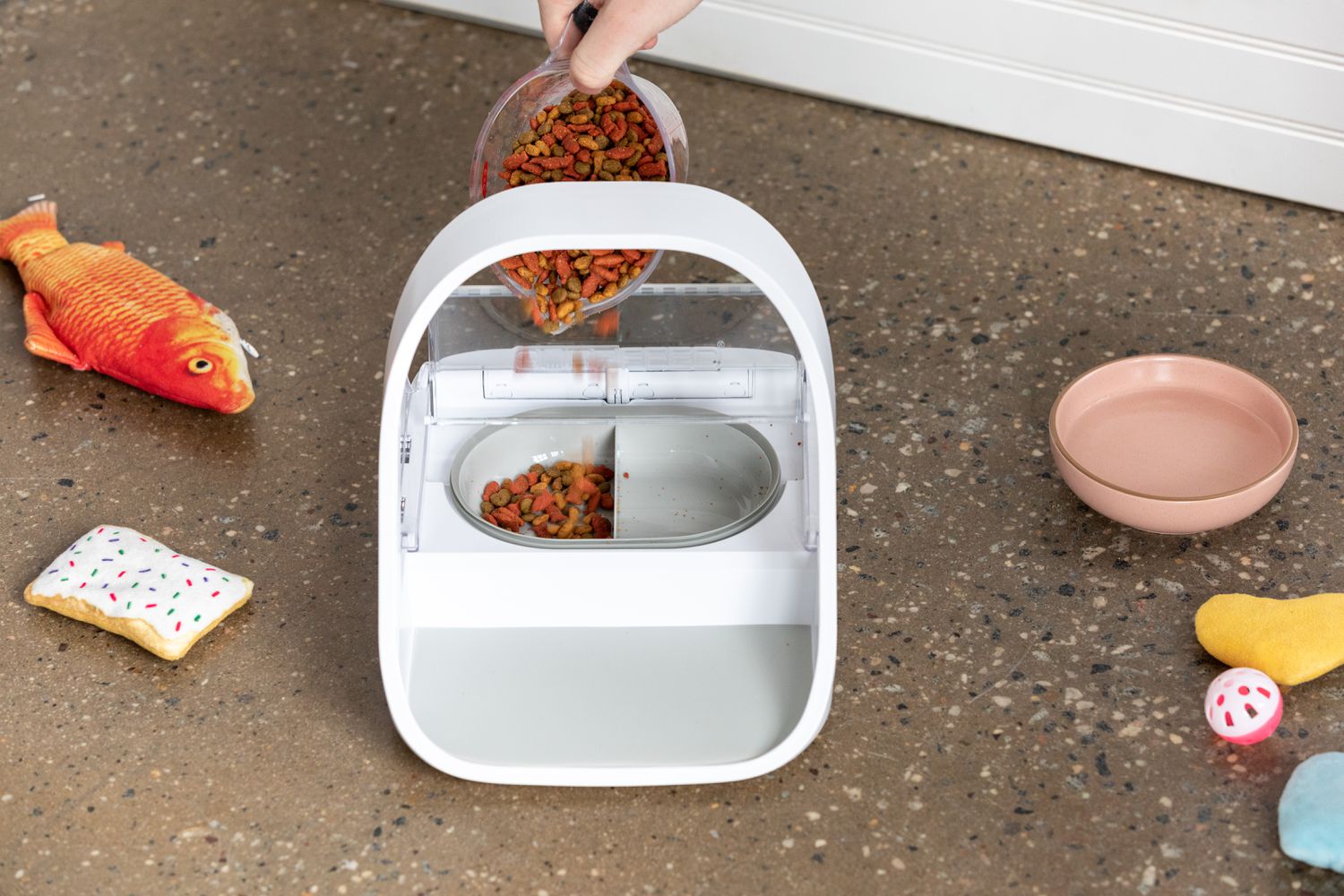
Understanding Automatic Cat Feeders
What is an Automatic Cat Feeder?
An automatic cat feeder is a device designed to dispense food for your feline friend at scheduled times or in set portions. This innovative solution alleviates the need for manual feeding and offers pet owners a convenient way to ensure their pets receive consistent nutrition, even when they are not at home. By programming meal times, these feeders provide a structured routine that can benefit both cats and their owners, ensuring no missed meals and reducing the risk of overeating or underfeeding.
From simple mechanical models to advanced smart feeders equipped with technology like webcams and smartphone connectivity, automatic cat feeders come in various shapes and sizes to suit different needs and budgets. This guide will delve into the essential aspects of choosing and using an automatic cat feeder.
The Benefits of Using an Automatic Cat Feeder
Automatic cat feeders come with numerous advantages that cater to the demands of both pet owners and their cats:
- Convenience: Automatic feeders allow cat owners to manage feeding schedules easily without the need to be physically present. This is especially beneficial for those who work long hours or travel frequently.
- Consistent Feeding: A consistent feeding routine can help maintain a cat's weight and health, which is essential for their well-being.
- Portion Control: Many automatic feeders allow owners to set specific portion sizes, which helps to prevent overfeeding and associated health problems.
- Less Mess: Some advanced models feature sealed compartments that keep food fresh and prevent your cat from overeating by accessing food throughout the day.
- Smart Technology: Smart feeders can offer features such as feeding schedules, mobile alerts, and, even cameras to monitor your cat's eating habits remotely.
Types of Automatic Cat Feeders Available
When selecting an automatic cat feeder, it's important to understand the different types available:
- Gravity Feeders: These feeders use gravity to dispense food into the bowl as your cat eats, providing a continuous supply. They are simple and require no batteries or programming.
- Programmable Feeders: These models allow you to set specific meal times and portion sizes, giving more control over feeding schedules.
- Smart Feeders: These advanced devices can connect to your home Wi-Fi, allowing you to monitor and control feeding times through a smartphone app. They may also include features like cameras to watch your pet while you’re away.
- Wet Food Feeders: Specifically designed for wet food, these feeders often include refrigeration elements to keep the food fresh for longer periods.
Key Features to Look for
Meal Scheduling and Portion Control
When choosing an automatic cat feeder, meal scheduling is one of the most important features. Look for models that allow you to:
- Set multiple meals throughout the day to mimic their natural eating habits.
- Adjust portion sizes to suit your cat's dietary needs and activity level, offering tailored nutrition.
- Program feedings remotely, especially useful for those who are often away from home.
Ease of Use and Maintenance
Ease of use is crucial for any pet feeding solution. Factors to consider include:
- Simple assembly and operation, as well as easily accessible food compartments for refilling.
- Detachable and dishwasher-safe components for effortless cleaning.
- Clear indicators for food levels so you can maintain an appropriate supply.
Smart Features and Technology Integration
Smart technology is making its way into automatic cat feeders, providing impressive features, including:
- Mobile app connectivity, which allows you to adjust feeding schedules and monitor feeding habits from anywhere.
- Alerts or reminders on your smartphone if the food is running low or when scheduled feedings occur.
- Cameras to provide real-time viewing of your cat while it interacts with the feeder.
Choosing the Right Model for Your Cat
Consider Your Cat’s Eating Habits
Different cats have unique eating habits, which should guide your choice of feeder. For instance:
- If your cat tends to overeat, a feeder with portion control is crucial.
- Cats that graze throughout the day may benefit from a gravity feeder or one that dispenses food based on their eating patterns.
- Evaluate any medical conditions that may necessitate specific feeding schedules or diets.
Evaluating Feeder Capacity
Feeder capacity is another important consideration. Choose a model that can hold enough food for at least a few days, reducing the frequency with which you need to refill it. Think about:
- The size of the food pellets, as larger pellets may need a different capacity design.
- Your cat’s daily consumption, considering whether it eats dry food, wet food, or both.
Assessing Your Budget and Needs
Automatic feeders come in a range of prices, so consider what features are essential for your cat's needs and your budget. Smart feeders, while pricier, can offer valuable conveniences that justify the cost. Evaluate which features are crucial for your situation so you can purchase a unit that delivers the best value for your investment.
Common Concerns Addressed
Are Automatic Cat Feeders Safe for Cats?
Safety is paramount when using an automatic cat feeder. Ensure the model you choose is constructed with non-toxic materials and designed to prevent jamming, which could lead to your cat getting trapped or needing to chew through parts. Furthermore, regularly check the device for any wear and tear to avoid potential hazards.
How to Transition Your Cat to a Feeder
Transitioning a cat to an automatic feeder can take some patience. Follow these steps:
- Start by introducing the feeder while still manually feeding your cat.
- Gradually incorporate feeding from the automatic feeder for one mealtime a day, then slowly increase to other feedings.
- Monitor your cat’s behavior and adjust the transition based on their comfort level.
Dealing with Technical Issues and Maintenance
Like all technology, automatic feeders may encounter problems. Regular maintenance is crucial, including:
- Cleaning the dispensing mechanism to prevent food buildup and jamming.
- Checking battery levels for battery-operated models and ensuring they are replaced timely.
- Reviewing any connectivity issues related to smart feeders, troubleshooting apps as needed.
Reviews of Popular Automatic Cat Feeders
Top Recommendations Based on Features
Here are some automatic cat feeders that stand out for their unique features:
- Petlibro Automatic Cat Feeder: This model offers sustainable material construction and a programmable timer that can dispense dry food for multiple meals. It is well-reviewed for its reliability and user-friendly interface.
- SureFeed Microchip Feeder: A top choice for multi-pet households as it identifies your cat via their microchip, ensuring that the right cat gets the right food. It prevents other pets from accessing their food and is acclaimed for its durability and effectiveness.
User Experiences and Feedback
User feedback is invaluable when selecting a feeder. Many owners praise their automatic feeders for their convenience and the control they provide over pet diets. A common theme in reviews is the peace of mind that comes from knowing their cats are being fed on schedule, even when they are not home. However, some users express frustration with feeders that require complex programming or frequent maintenance.
Comparative Analysis of Leading Brands
When assessing leading brands such as PetSafe, PETKIT, and Petlibro, it's clear that:
- PetSafe models often prioritize ease of use and affordability, making them suitable for budget-conscious owners.
- PETKIT feeders integrate advanced tech features like an AI camera, catering to tech-savvy pet owners.
- Petlibro emphasizes eco-friendly materials and quality, suitable for environmentally conscious consumers.
In conclusion, choosing the right automatic cat feeder involves understanding your cat's specific needs, evaluating essential features, and considering your personal preferences and budget. With the right information and resources, you can identify the perfect feeding solution that promotes health and convenience for both you and your beloved pet.