
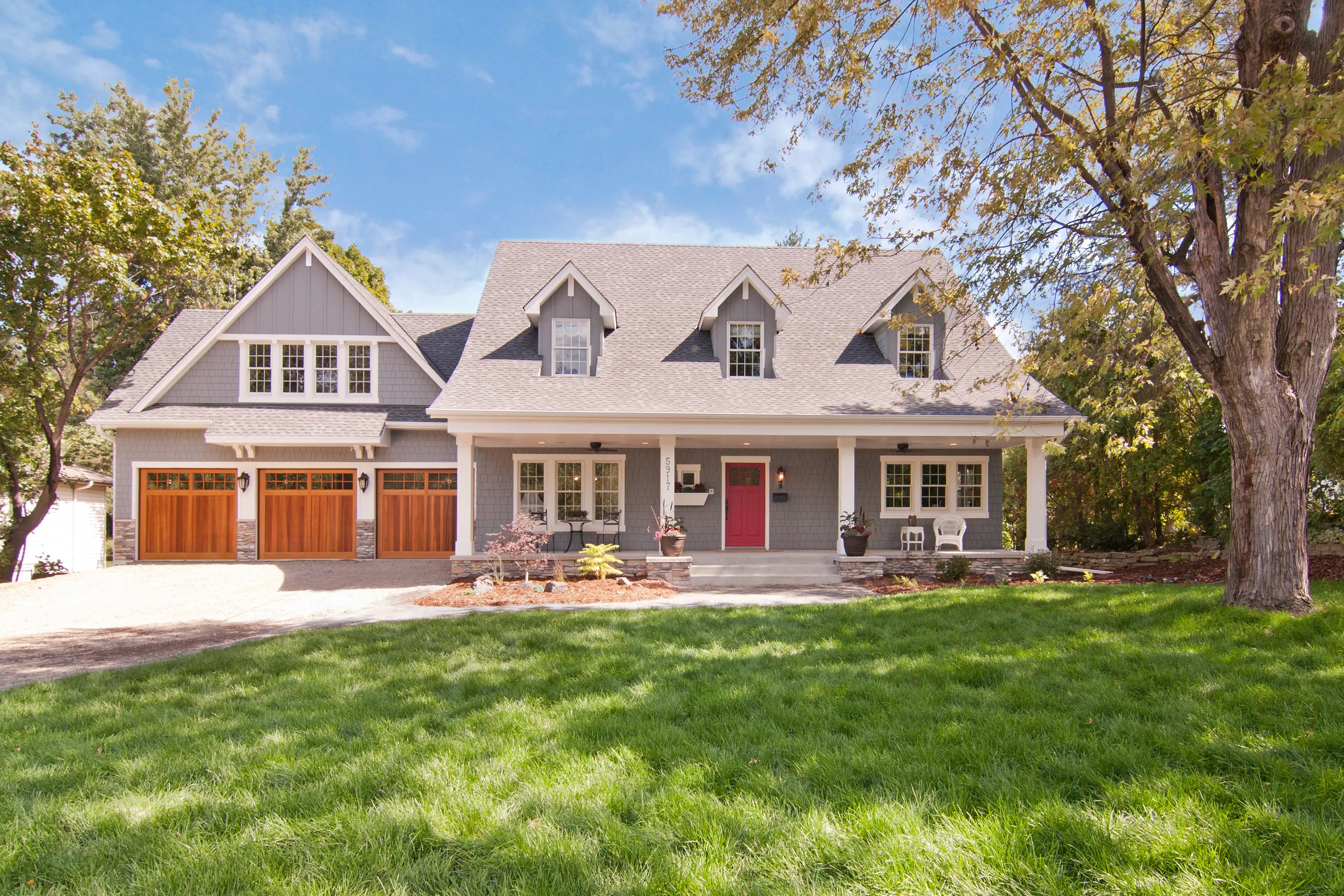
Planning a Cape Cod home addition is a balancing act between growth and restraint. These homes are admired for their modest scale and timeless character, which means expansion must be handled with care. Homeowners often need more space, but the challenge is adding it in a way that feels intentional, not overpowering. With thoughtful planning, a Cape cod home addition can enhance daily living while preserving the charm that defines the house.
Starting With the Original Structure
Every successful Cape Cod home addition begins by carefully evaluating the existing home. The original structure sets the rules for scale, proportion, and placement.
Understanding Mass and Form
Cape Cod homes are typically compact and symmetrical. A Cape Cod home addition should respect this simplicity by keeping the new volume visually secondary. Lower rooflines and stepped-back walls help prevent the addition from dominating the original form.
Identifying Natural Expansion Zones
Rear and side locations are often the best choices for a Cape Cod home addition. These areas allow the home to grow without altering the familiar front elevation that gives the house its identity.
Setting Clear Goals Before Designing
Clarity early in the process helps avoid design decisions that feel forced later. Planning a Cape Cod home addition works best when goals are clearly defined from the start.
Prioritizing Function Over Size
Bigger is not always better. A well-planned Cape Cod home addition focuses on improving how the home works rather than maximizing square footage. Thoughtful layouts often outperform oversized spaces.
Planning for Long-Term Use
Whether the Cape Cod home addition is meant for growing families, aging in place, or flexible living, planning for future needs ensures the addition remains valuable over time.
Managing Scale Through Smart Design
Scale is one of the most critical considerations in Cape Cod home addition planning. Even small design choices can dramatically affect how the addition is perceived.
Rooflines That Stay Subordinate
Matching roof pitch while slightly lowering ridge heights helps a Cape Cod home addition blend naturally. Dormers and gables should echo the original house without competing with it.
Controlled Width and Depth
Keeping a Cape Cod home addition narrower or set back from the main façade preserves visual balance. This strategy prevents the home from appearing top-heavy or stretched.
Interior Flow That Feels Natural
A Cape Cod home addition should not feel like a separate wing. Interior connections are just as important as exterior design.
Seamless Transitions Between Old and New
Aligning floor levels, ceiling heights, and circulation paths ensures a Cape Cod home addition feels like part of the original house rather than a later attachment.
Improving Light and Movement
Strategic openings and window placement allow a Cape Cod home addition to bring in natural light while improving movement between spaces.
Avoiding Common Planning Mistakes
Many issues with a Cape Cod home addition stem from rushed decisions or incomplete planning.
Overbuilding for the Lot
A Cape Cod home addition must respect the scale of the property. Overbuilding can reduce yard space and negatively affect both curb appeal and neighborhood context.
Ignoring Structural Realities
Older homes may have limitations that affect a Cape Cod home addition. Planning around existing foundations, framing, and utilities helps avoid costly surprises during construction.
Working Within Regulations and Constraints
Zoning rules and local guidelines can shape what is possible with a Cape Cod home addition.
Setbacks and Lot Coverage
Understanding setbacks early helps define the footprint of a Cape Cod home addition and prevents redesigns late in the process.
Historic and Neighborhood Context
In some areas, a Cape Cod home addition must meet design review standards. Planning with these guidelines in mind ensures smoother approvals.
Why Thoughtful Planning Pays Off
Careful planning is the difference between an addition that feels awkward and one that feels inevitable.
Better Construction Outcomes
A well-planned Cape Cod home addition leads to clearer drawings, fewer changes, and a more efficient construction process.
Preserving Architectural Integrity
The ultimate goal of a Cape Cod home addition is to enhance the home without erasing its history. Planning ensures that original character remains intact.
Conclusion: Grow Your Home Without Losing Its Soul
A successful Cape Cod home addition doesn’t announce itself—it quietly improves the way the home lives while honoring its roots. By planning carefully, respecting scale, and focusing on thoughtful design decisions, homeowners can expand without overwhelming the original structure. With the right approach and professional guidance, a Cape Cod home addition becomes a natural evolution of the house, adding comfort, function, and long-term value with Keri Murray Architecture.