Understanding Metal Roofing
What is Metal Roofing?
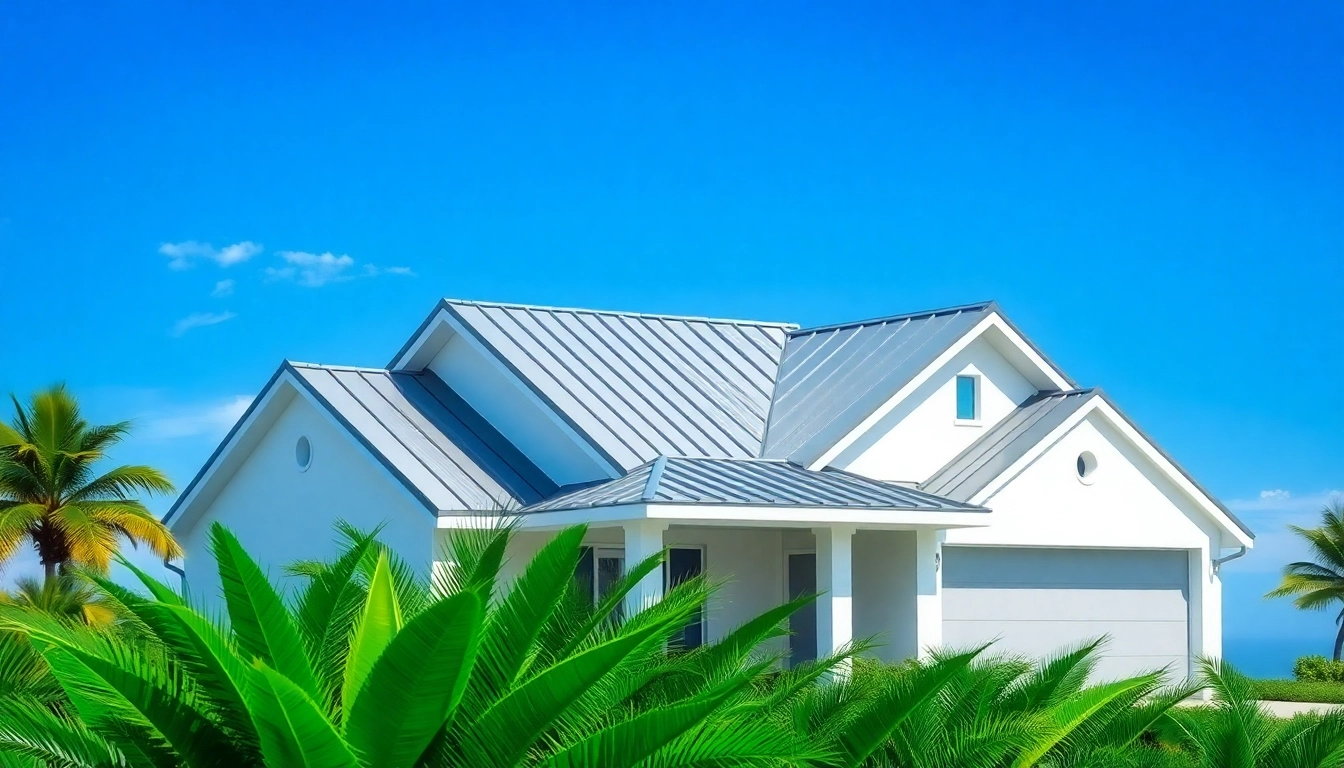
Metal roofing is a contemporary roofing solution made from various metals, providing both structural integrity and aesthetic appeal. Unlike traditional roofing materials, metal roofs are designed to withstand severe weather conditions and last significantly longer. They are available in different styles, colors, and finishes, making them suitable for a diverse range of architectural designs.
Typically composed of materials such as steel, aluminum, copper, and zinc, metal roofing systems can adeptly manage substantial rain, strong winds, and extreme temperatures. A notable feature of metal roofing is its excellent longevity, often exceeding 50 years with proper maintenance. The intersection of durability and modern aesthetics makes metal roofing a popular choice for homeowners and commercial property developers alike.
Types of Metal Roofing Materials
The choice of material plays a significant role in the performance, cost, and appearance of a metal roofing system. Here are the primary types of metal roofing materials:
- Steel: Galvanized or Galvalume steel is one of the most common materials used in metal roofing. It is known for its strength, low cost, and resilience. Galvanization involves coating steel with zinc to protect against corrosion.
- Aluminum: Lightweight and resistant to corrosion, aluminum is ideal for coastal environments where salt exposure is prevalent. It is generally more expensive than steel but offers superior longevity.
- Copper: Prized for its unique color and aesthetic appeal, copper roofing develops a characteristic patina over time. Although expensive, it is highly durable and resistant to corrosion.
- Zinc: Similar to copper, zinc is capable of self-healing when scratched and is highly resistant to corrosion. This material typically has a long lifespan and can be recycled.
Why Choose Metal Roofing?
Metal roofing presents numerous benefits making it a preferred option for many builders and homeowners:
- Durability: Metal roofs can withstand severe weather, such as hail, snow, and high winds, and are less likely to crack or be damaged compared to traditional roofs.
- Energy Efficiency: Many metal roofing systems are reflective, meaning they can reduce heat buildup in homes, thereby decreasing energy costs for cooling in warm climates.
- Minimal Maintenance: Metal roofs require very little upkeep. They do not need regular repairs and have a wind resistance often rated up to 140 mph.
- Environmental Impact: Metal roofing is often made from recycled materials and is fully recyclable at the end of its life cycle. This offers a significant sustainability advantage.
- Aesthetics: Available in numerous colors and styles, metal roofing can complement any architectural design while enhancing curb appeal.
Cost Analysis of Metal Roofing
Initial Costs vs. Long-Term Savings
While the initial investment for metal roofing is typically higher than asphalt shingles, the long-term savings can be substantial. Metal roofs can last significantly longer—over 50 years—compared to traditional roofing materials that generally need to be replaced every 20-30 years.
Additionally, metal roofing can reduce heating and cooling costs due to its energy-efficient properties. Potential tax rebates and homeowner insurance discounts for choosing a metal roof can further offset initial costs, making it a financially sound investment.
Factors Influencing Metal Roofing Costs
When determining the cost of a metal roofing project, various factors must be considered:
- Material Type: Different materials have varying costs per square foot, influencing the overall project budget.
- Roof Size and Complexity: The square footage, pitch, and architectural features of the roof will dictate material needs and labor complexity.
- Location: Local labor rates and the availability of materials can affect the final pricing of the metal roofing installation.
- Accessories and Installation: Costs associated with underlayment, flashing, and other necessary components can add to the total budget.
Installation Costs Explained
The installation cost of metal roofing can range from $5 to $12 per square foot, with some high-end systems costing more. This typically includes the price for the materials themselves, labor costs, and any additional elements required for proper installation.
A professional installation is recommended for metal roofing due to the specific skills needed to handle the materials effectively and ensure proper sealing. DIY installations can lead to mistakes that may end up costing more in repairs later.
Durability and Maintenance of Metal Roofing
Longevity of Metal Roofing
One of the most compelling advantages of metal roofing is its remarkable longevity. A well-maintained metal roof can last anywhere from 40 to 70 years, depending on the material. Steel roofs that are properly treated for rusting can exceed these lifespans, offering homeowners peace of mind and reliability.
Common Maintenance Practices
While metal roofing requires less maintenance than traditional options, some basic tasks should not be overlooked:
- Regular Inspections: Annual inspections to check for rust, loose paneling, or drainage issues can extend the lifespan of metal roofing.
- Cleaning: Removing leaves, branches, and dirt will prevent potential damage caused by debris buildup. Using a hose or a soft brush is typically sufficient.
- Addressing Rust: Touching up paint or coating areas that exhibit signs of rust will prevent further deterioration.
Weather Resistance Advantages
Metal roofing is remarkably resilient against extreme weather conditions. Its design allows it to shed snow and rain effectively, minimizing the risk of leaks and water damage. Additionally, certain materials have properties that reflect UV rays, reducing heat absorption and lowering indoor temperatures during warm months.
Moreover, metal roofs endure high winds and can often withstand gusts of up to 140 mph without sustaining damage, making them ideal for regions prone to hurricanes or strong storms.
Design Options with Metal Roofing
Colors and Finishes Available
Metal roofing is offered in an extensive range of colors and finishes, allowing homeowners to achieve their desired look. Protective coatings ensure that colors remain vibrant and resistant to fading over time. With options ranging from cool neutrals to vibrant hues, homeowners can select a palette that complements both their home’s design and surroundings.
Architectural Styles Compatibility
Metal roofing is versatile and can fit various architectural styles, from modern to traditional. Its ability to elegantly meld with different building materials enables harmonious integration into diverse designs while providing a contemporary flair.
Customization Possibilities
Customization options are abundant in metal roofing design. From specialized shapes, including standing seam profiles and corrugated panels, to personalized details like flashing and ridge caps, homeowners can truly tailor their roofing to reflect their tastes and functional requirements.
Frequently Asked Questions
How long does metal roofing last?
Metal roofing usually lasts between 40 to 70 years, depending on the material and maintenance. Proper care can extend its lifespan even further.
Can I install metal roofing myself?
While DIY installation is possible, it's recommended to hire professionals to ensure proper installation. Mistakes can lead to costly repairs.
Is metal roofing noisy during rain?
Metal roofs can be noisier than other roofing materials during heavy rain or hail; however, proper insulation can significantly reduce noise levels.
How does metal roofing compare with shingles?
Metal roofing is more durable, energy-efficient, and longer-lasting than asphalt shingles, which typically last 15 to 30 years and need more frequent replacement.
What are the best types of metal roofing for residential homes?
The best types depend on the local climate and aesthetic preferences; steel, aluminum, and copper are popular choices for residential applications.