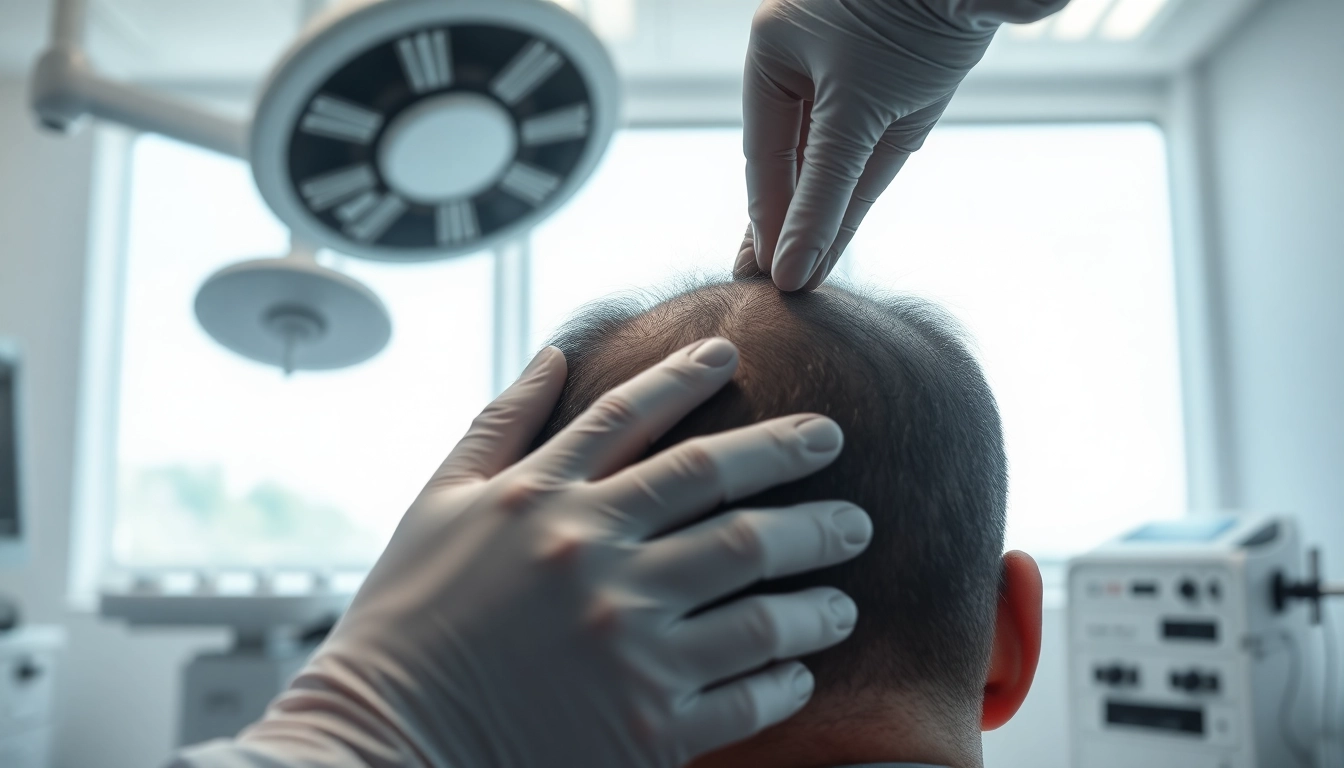
Understanding Hair Transplant London Options
As individuals increasingly seek solutions to hair loss, the popularity of hair transplant london clinics continues to rise. Hair restoration procedures have evolved significantly in recent years, offering a range of techniques suited to different types of hair loss, individual preferences, and desired outcomes. In this extensive guide, we will discuss the various options available, helping you understand the intricacies of hair transplantation in London.
Types of Hair Transplants
Hair transplant procedures generally fall into two main categories: Follicular Unit Extraction (FUE) and Follicular Unit Transplantation (FUT). Each method has its advantages and disadvantages, and understanding these can help you make an informed choice.
Follicular Unit Extraction (FUE)
FUE is a modern hair transplant technique where individual hair follicles are extracted from a donor area, usually the back of the head, and then implanted into the thinning or balding areas of the scalp. The main benefits of FUE include:
- Minimal scarring: Since it involves harvesting individual follicles, patients experience tiny dot-like scars that are less visible compared to FUT.
- Faster recovery: With less invasive techniques, patients often have a quicker recovery time, allowing them to return to their normal activities sooner.
- Natural-looking results: The ability to transplant follicles individually leads to a more natural hairline and better overall appearance.
Follicular Unit Transplantation (FUT)
FUT, also known as strip surgery, is a more traditional method where a strip of skin containing hair follicles is removed from the donor area. The strip is then dissected into individual follicular units for transplantation. Key features of FUT include:
- Higher graft yield: This technique often allows for the transplantation of a larger number of grafts in a single session.
- Lower cost: Generally, FUT tends to be less expensive than FUE, making it a viable option for those on a budget.
- Suitability for severe hair loss: FUT is often recommended for patients with advanced hair loss, where more significant coverage is needed.
Choosing the Right Technique
The decision between FUE and FUT largely depends on the extent of hair loss, individual hair characteristics, and personal preferences. While FUE is praised for its minimally invasive nature and quicker recovery, FUT may be more appropriate for those seeking to transplant a higher number of follicles at once. Consulting with a qualified hair transplant specialist can help clarify which method is better suited for your specific condition.
Benefits of Hair Transplantation
Hair transplantation offers numerous benefits beyond aesthetics. These include:
- Restoration of confidence: By effectively treating hair loss, individuals often experience a substantial boost in self-esteem and confidence.
- Natural results: Modern techniques allow for finely crafted hairlines and natural coverage, making the results virtually indistinguishable from natural hair.
- Permanent solutions: Unlike topical treatments, hair transplants provide a more lasting solution to hair loss, as transplanted hair typically follows normal hair growth cycles and remains in place for years.
What to Expect During Your Hair Transplant London Journey
Understanding what to expect during your hair transplant journey can alleviate anxiety and prepare you for the process. A successful hair transplant involves careful planning, professional expertise, and a commitment to post-operative care.
Pre-Surgery Consultation
Your journey begins with a comprehensive consultation with a hair transplant specialist. During this initial meeting, you can expect to:
- Discuss your specific hair loss concerns and goals.
- Undergo a thorough examination of your scalp and hair follicles to determine the extent of hair loss and whether you are a suitable candidate for surgery.
- Review available techniques (FUE vs. FUT) and their implications based on your unique situation.
- Receive a detailed outline of what to expect on the day of the procedure, including pre-operative instructions.
The Day of the Procedure
On the day of your hair transplant, several key steps will ensure a smooth process:
- Preparation: After arriving at the clinic, you will be greeted by the medical staff, who will guide you through the process and ensure you are comfortable.
- Anesthesia: Local anesthesia will be administered to ensure that you do not experience any discomfort during the procedure.
- Harvesting: Depending on the chosen technique, individual follicles will be extracted (FUE) or a strip of skin will be removed (FUT).
- Transplantation: The extracted follicles are meticulously placed into the balding areas of your scalp, following a strategic pattern to create a natural look.
- Recovery: Following the procedure, you will be provided with aftercare instructions and possibly prescribed medications to assist in the healing process.
Post-Operative Care and Recovery
The recovery period is crucial for ensuring the longevity and success of your hair transplant:
- Rest: Avoid strenuous activities and give yourself time to heal properly.
- Follow aftercare instructions: Adhere to instructions regarding washing your hair, medication, and any follow-up appointments.
- Manage expectations: Although some hair shedding may occur during the initial recovery phase, it is essential to understand that new hair will begin to grow in its place over time.
Cost Factors for Hair Transplant London Procedures
The cost of hair transplant procedures can vary widely based on several factors. Understanding these cost components can help you plan effectively.
Breaking Down Pricing Models
Hair transplant prices can depend on:
- Technique: As previously mentioned, FUE tends to be more expensive than FUT due to its intricate nature.
- Number of grafts: The more grafts you require, the higher the overall cost is likely to be.
- Clinic reputation: Established clinics with a track record of success may charge higher fees, reflecting their expertise and quality of service.
Insurance Considerations
Hair transplants are typically classified as cosmetic procedures and may not be covered by health insurance plans. It's advisable to review your insurance policy to understand your coverage options and responsibilities fully.
Understanding Payment Plans
Many clinics offer financing options or payment plans to make hair transplant procedures more accessible. Inquire about these options during your consultation to find a payment structure that fits your budget.
Frequently Asked Questions about Hair Transplant London
To further aid in your understanding of hair transplants, we’ve compiled a list of frequently asked questions.
Common Misconceptions
Several myths and misconceptions can create confusion around hair transplantation:
- Hair transplants are only for men: Many women also experience hair loss and can benefit from hair transplant procedures.
- The results are immediate: Hair transplants require time for the newly implanted follicles to settle and grow, with visible results typically appearing months after surgery.
- All hair transplants are the same: There are various techniques and approaches, and it’s essential to choose one that matches your unique needs.
Success Rates and Expectations
Success rates for hair transplants are generally high, with many individuals achieving satisfactory results. However, several factors can influence success, including:
- Technique chosen
- Surgeon experience
- Patient adherence to post-operative care
It’s vital to maintain realistic expectations and understand that while hair transplants can significantly improve hair density, they may not restore hair to its full original fullness.
Candidacy for Hair Transplantation
Candidacy for hair transplantation depends on several criteria:
- Type and extent of hair loss
- Age: Younger patients may benefit from non-surgical options until hair loss stabilizes.
- General health: Candidates should ideally be in good overall health.
Finding the Right Specialist for Hair Transplant London
Your choice of specialist can significantly impact the outcome of your hair transplant. Choosing a qualified and experienced provider is essential for the best results.
Qualifications to Look For
When evaluating potential specialists, consider the following qualifications:
- Board certification in dermatology or plastic surgery
- Specialization in hair restoration techniques
- Positive patient outcomes and a portfolio of past results
Evaluating Patient Reviews
Reading patient reviews and testimonials can provide valuable insight into a clinic’s reputation and the experiences of previous patients. Look for consistent positive feedback regarding results, customer service, and overall satisfaction.
Consultation Tips
During your consultation, don't hesitate to ask questions that matter. Important inquiries might include:
- What technique is best for my situation?
- What is the expected recovery time?
- What kind of follow-up support is offered?
Arming yourself with the right knowledge will empower you in making the most informed decision regarding your hair restoration journey.