
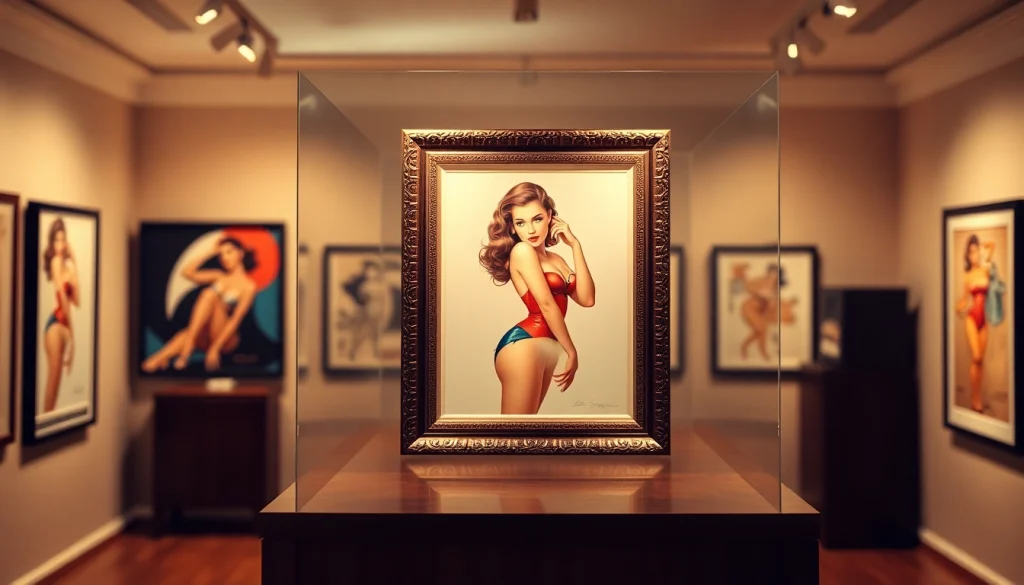
Exploring the Timeless Legacy of Alberto Vargas and His Iconic Varga Girl
Alberto Vargas was not just an artist; he was a cultural icon whose illustrations have left an indelible mark on the world of art and popular culture. Best known for his creation of the “Varga Girl,” Vargas’s work encapsulates a unique blend of sensuality, glamour, and artistic finesse. His women are alluring, yet they embody a captivating nostalgia that resonates even today. As we delve deeper into this artistic journey, we will uncover the origins of the Varga Girl, explore cultural impacts, and analyze the enduring significance of vintage pin-ups, particularly through the lens of the https://www.esquirevargas.com experience.
The Origins of the Varga Girl
Rooted in Historical Context
The Varga Girl first emerged in the early 1940s during a period marked by World War II, when optimism and patriotism were critical themes. Vargas, originally from Peru, fused his artistic talents with the cultural zeitgeist of the time to create images of women that exuded not just physical beauty but also resilience and spirit. His illustrations were prominently featured in Esquire magazine, aligning perfectly with the magazine’s aim to captivate its primarily male audience by portraying a fantasy world where allure and taste were merged seamlessly.
The Artistic Evolution of Vargas’s Technique
From his classic watercolor and airbrush techniques to his evolving style that incorporated modern elements, Vargas’s artistry reflects an ongoing journey. Early Varga Girls showcased soft lines and pastel palettes, while later pieces explored bolder colors and intricate detailing, moving towards the highly stylized versions we recognize today. Each iteration tells a story, framing the cultural narrative around femininity and glamour in a world that was starting to modernize.
Symbolism in the Varga Girl
Vargas created a symbol of alluring femininity, often depicted in poses that conveyed confidence and a sense of playful seduction. Her smile and gaze seemed to invite the viewer into her world, embodying a dichotomy of innocence and exuberance. This delicate balance contributed to the Varga Girl’s status as an icon, representing not just beauty, but the empowerment of women during a transformative era.
Cultural Impact of Vargas’s Work
The Intersection of Art and Society
The Varga Girl has transcended the realm of art to become part of a larger cultural dialogue. During WWII, these pin-ups served not merely as eye candy but as morale boosters for soldiers, embodying an ideal linked to home, hope, and love. Vargas’s illustrations were often used on bombers and military equipment, creating a unique connection between art and national pride, while showcasing the perception of women at the time.
Influence on Subsequent Artists and Trends
Vargas’s style has influenced various artists and designers over the years, inspiring a breadth of work in fashion and popular culture. His seamless blend of fantasy and reality set the stage for later pop culture representations of women, surfacing in everything from music videos to contemporary fashion campaigns. The idealized beauty that Vargas created has made its way into modern aesthetics, echoing through decades of art and design.
Contemporary Interpretations of the Varga Girl
In recent years, a resurgence of interest in vintage art and pin-up culture has led to new interpretations of the Varga Girl. Contemporary artists explore the themes of empowerment and sensuality in ways that resonate with today’s discussions about body image and feminism. Through exhibitions, galleries, and online platforms, the legacy of Vargas continues to thrive, evolving yet retaining its core essence.
Understanding the Techniques of Vargas’s Art
Materials and Methods Used by Alberto Vargas
Vargas was renowned for his adept use of materials like watercolor, airbrush, and oils, which allowed him to create lifelike images. His choice of mediums was pivotal in crafting the soft, dream-like quality often found in his works. By blending these materials with his unique brushwork, Vargas was able to achieve a radiant effect that hinges on meticulous detail and vibrant color application.
Color Theory in Vintage Pin-Up Art
Color played a significant role in Vargas’s work, with each hue chosen to evoke specific emotions or thoughts. His use of warm colors creates an inviting atmosphere, drawing viewers into the narrative depicted in the pin-ups. The blues and greens often serve as contrasts, representing a more serene aspect of the Varga Girl, enhancing the overall composition and emphasizing her presence and vitality.
Incorporation of Light and Shadow
The play of light and shadow in Vargas’s illustrations is a cornerstone of his artistic expression. This technique not only adds depth and realism to his subjects but also instructs the viewer’s eye, guiding them toward the focal points of his compositions. Vargas’s ability to manipulate light allows for an engaging visual experience, contributing to the dynamic appeal of the Varga Girl.
Exploring Iconic Pieces
Signature Characteristics of the “Varga Girl”
Signature elements of the Varga Girl include full, beckoning smiles, soft curves, and extravagant hairstyles, complemented by imaginative settings. These aspects work in unison to create a distinct identity that distinguishes her from other pin-up art of the period. The portrayal feels accessible yet aspirational, thereby appealing to the fantasies of an entire generation.
Notable Works and Their Context
Throughout his career, Vargas produced many iconic pieces that are celebrated today. Illustrations such as “Jeanne” and “The Girl Who Left” have become benchmarks for beauty and artistic narrative. Each piece not only serves as a representation of Vargas’s artistic prowess but also as a commentary on the societal attitudes of their time—reflecting ideals of beauty, femininity, and the cultural narratives woven through war and peace.
The Evolution of Vargas’s Style
Vargas’s style matured significantly over the years. His early works were marked by a sense of playfulness, while his later endeavors explored more serious themes of introspection and complexity in femininity. This evolution mirrors broader societal shifts regarding women’s roles and personal expression, making his works not just artistic representations but also historical artifacts that speak to changing cultural attitudes.
The Collectibility of Vargas Art
Market Trends for Vintage Pin-Ups
The market for vintage pin-up art, particularly Vargas pieces, has seen a notable resurgence. Collectors and enthusiasts are drawn to the nostalgia and cultural significance attached to such artworks. Online auction platforms, galleries, and vintage shops frequently feature Vargas’s work, often sparking bidding wars that speak to both its aesthetic appeal and collectibility. Understanding market trends can help potential collectors navigate this space effectively.
Determining Value: Factors to Consider
Several factors influence the valuation of Vargas’s artworks. Condition plays a significant role, as well-preserved pieces generally command higher prices. Additionally, rarity, historical significance, and provenance can greatly affect market value. Collectors often seek documentation of authenticity, as well as visual and contextual cues, which can further enhance value. Knowledge of these criteria empowers collectors in their pursuit of genuine Vargas art.
Where to Find Authentic Vargas Pieces
Finding authentic pieces by Alberto Vargas requires a discerning eye. Reputable auction houses, art galleries, and established collectors are common sources for genuine works. Online resources, including vintage art platforms and collector forums, can also provide valuable leads on where to find Vargas art. Attending exhibitions focusing on pin-up art can yield both networking opportunities and direct access to artworks.
Engaging with Vargas Art Today
Visiting Exhibitions and Galleries
Art galleries and museums often showcase Vargas’s work in curated exhibitions that explore vintage pin-up art’s significance within a larger historical context. Visiting these exhibitions provides a tactile experience that digital imagery cannot offer—allowing individuals to appreciate the textures, colors, and details firsthand. Many galleries also host talks and workshops that allow deeper engagement with Vargas’s artistry.
Online Communities and Resources
With the rise of social media, online communities have blossomed around vintage pin-up art. These forums serve as platforms for shared appreciation, allowing fans to discuss aesthetics, techniques, and personal experiences about Vargas. Many online resources also curate collections and articles about Vargas’s work, making it easier for enthusiasts to access and share information about this iconic artist.
Celebrating Vargas Through Modern Interpretations
Artists today continue to converge on Vargas’s legacy, reimagining pin-up concepts for contemporary audiences. This cross-generational appreciation speaks volumes about the timeless appeal of Vargas’s work. Emerging artists draw inspiration from the charisma and allure of the Varga Girl, infusing modern narratives and themes into their interpretations, thus ensuring that Vargas’s influence persists long into the future.