
Understanding the Oil Drain Pan
What is an Oil Drain Pan?
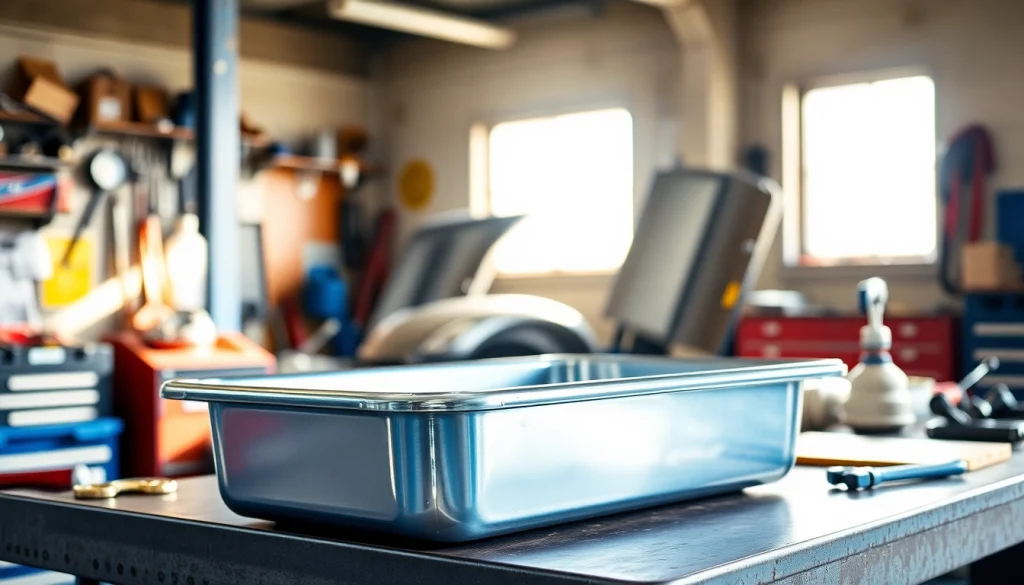
An Oil Drain Pan is a specialized container designed to collect used oil during engine maintenance tasks, such as oil changes. Its primary function is to catch the oil that drains out of the engine’s oil pan, ensuring a clean and efficient disposal process. These pans come in various sizes and materials, tailored to meet different needs, whether for personal use at home or in professional automotive settings.
Importance of an Oil Drain Pan in Maintenance
The oil drain pan plays a crucial role in vehicle maintenance, making oil changes safer and more efficient. Used oil is considered hazardous waste and can harm the environment if not disposed of properly. By using an oil drain pan, mechanics and vehicle owners can ensure that used oil is collected cleanly and ready for recycling or disposal by certified facilities. This practice not only protects the environment but also saves time during routine maintenance tasks.
Common Features of Oil Drain Pans
Oil drain pans vary widely in design and features, but common aspects include:
- Capacity: Ranging from small personal sizes (up to 5 quarts) to larger commercial varieties (15 quarts or more).
- Material: Typically crafted from plastic or metal, each offering distinct advantages in durability and heat resistance.
- Spouts or Nozzles: Many models include pour spouts to facilitate easy and controlled oil transfer.
- Anti-Splash Design: Many pans are designed with high sides or splash guards to minimize spills during the draining process.
Choosing the Right Oil Drain Pan
Key Factors to Consider
When selecting an oil drain pan, several factors come into play:
- Size: Choose a pan that accommodates your vehicle’s oil capacity, plus some extra space to prevent spills.
- Material: Consider whether you need a heat-resistant material for hot oil or a lightweight option for guest use.
- Design Features: Look for features like spouts, wheels, or sturdy handles that enhance usability.
- Portability: If you plan to transport the pan, consider its weight and method of carrying.
Different Types of Oil Drain Pans
Understanding the types of oil drain pans available can help you make an informed choice:
- Plastic Oil Drain Pans: Lightweight and corrosion-resistant, plastic pans are ideal for consumer use. They’re easy to clean but may not withstand high temperatures as well as metal models.
- Metal Oil Drain Pans: Generally more durable and heat resistant, metal pans are suited for professional automotive environments and are popular due to their longevity.
- Gravity Oil Drain Pans: These are larger units that use gravity to drain oil into a holding tank, often equipped with wheels for mobility.
Comparing Materials: Steel vs. Plastic Oil Drain Pans
When weighing steel against plastic oil drain pans, consider the following:
- Durability: Steel pans are more robust and resistant to damage, while plastic pans are more susceptible to wear over time.
- Heat Resistance: Steel pans can handle high temperatures better, making them more suitable for hot oil.
- Weight: Plastic pans are lighter and easier to handle, so if portability is crucial, plastic might be preferable.
- Cost: Generally, plastic pans are less expensive than metal options, making them accessible for casual users.
Using an Oil Drain Pan Effectively
Step-by-Step Guide to Using an Oil Drain Pan
To ensure a smooth oil change or maintenance task, follow these steps:
- Prepare Your Workspace: Find a level surface and gather your tools, including the oil drain pan, wrenches, gloves, and an oil filter wrench.
- Safety First: Wear protective gloves and goggles. Ensure the engine is warm but not hot to the touch.
- Position the Oil Drain Pan: Place the oil drain pan directly under the oil pan of the engine, ensuring it is centered to catch the draining oil.
- Remove the Oil Drain Plug: Using your tools, open the drain plug carefully, allowing the oil to flow into the pan. Monitor for any spills.
- Wait for Complete Drainage: Allow sufficient time for all oil to drain out. This could take a few minutes.
- Replace the Drain Plug: Once the oil is fully drained, securely replace and tighten the drain plug.
- Dispose of Used Oil: Transfer the used oil from the drain pan to an approved container for recycling or disposal.
Best Practices for Oil Disposal
Proper oil disposal is essential for environmental protection and legal compliance. Here are best practices:
- Always Recycle: Take used oil to local recycling centers or specialized facilities that accept oil.
- Avoid Mixing: Never mix oil with other substances, as it can complicate recycling processes.
- Use Proper Containers: Store used oil in clearly labeled, sealed containers to prevent leaks and spills.
- Check Regulations: Be aware of local laws regarding oil disposal to ensure compliance.
Common Mistakes to Avoid
Common pitfalls during oil changes can lead to inefficiencies or hazards. Avoid these mistakes:
- Not Using a Pan: Trying to catch oil with makeshift containers can lead to spills and contamination.
- Overfilling the Pan: Use a pan appropriate to your vehicle’s oil capacity to avoid overflow during the draining process.
- Forgetting to Tighten the Drain Plug: Always double-check that the drain plug is securely tightened after replacing it.
- Improper Cleanup: Leaving spills unattended can lead to environmental hazards and personal injury.
Maintenance and Care for Oil Drain Pans
Cleaning Your Oil Drain Pan
Cleaning your oil drain pan regularly extends its life and ensures it’s always ready for use. Here’s how:
- Allow to Cool: If you’ve used a metal pan, ensure it cools down before cleaning.
- Dump Out Residual Oil: Pour remaining oil into a sealed container for proper disposal.
- Wash with Soap and Water: Use a degreasing agent and warm water to remove oil residue. A brush can help remove stubborn stains.
- Rinse Thoroughly: Ensure all cleaning agents are removed by rinsing properly.
- Dry Completely: Let the pan air dry or wipe it down with a clean cloth.
Inspecting for Damage and Wear
Inspect your oil drain pan regularly for any signs of damage or wear. Look for:
- Cracks or Holes: Especially in plastic pans, which can degrade over time.
- Rust: Check steel pans for rust spots which indicate deterioration.
- Splash Guards: Ensure any protective features are intact for optimal spill prevention.
When to Replace Your Oil Drain Pan
It’s essential to know when to replace an oil drain pan. Consider replacement if you observe:
- Severe Cracks: A cracked pan can leak, compromising oil collection.
- Persistent Odor: A lingering oil smell may indicate wear that requires replacement.
- Difficulty in Cleaning: If stains cannot be removed, it may be time for a new pan.
Frequently Asked Questions About Oil Drain Pans
How do I choose the right size for my oil drain pan?
Choose a pan that matches or exceeds the oil capacity of your vehicle’s engine, usually around 5 to 8 quarts for most cars. Larger engines require bigger pans.
Can I use a plastic oil drain pan for hot oil?
While some plastic pans can handle hot oil, it’s best to use metal options for temperatures above 200°F to prevent deformation.
Is an oil drain pan reusable?
Yes, oil drain pans can be reused multiple times. Regular cleaning and proper maintenance will prolong their lifespan.
How do I clean my oil drain pan?
After use, let the pan cool, pour residues into a recycling container, wash it with soap and water, rinse thoroughly, and dry completely before storage.
What are the safety measures when using an oil drain pan?
Wear gloves and goggles, ensure good ventilation, work on flat ground, and handle hot oil with care to avoid burns or spills.