
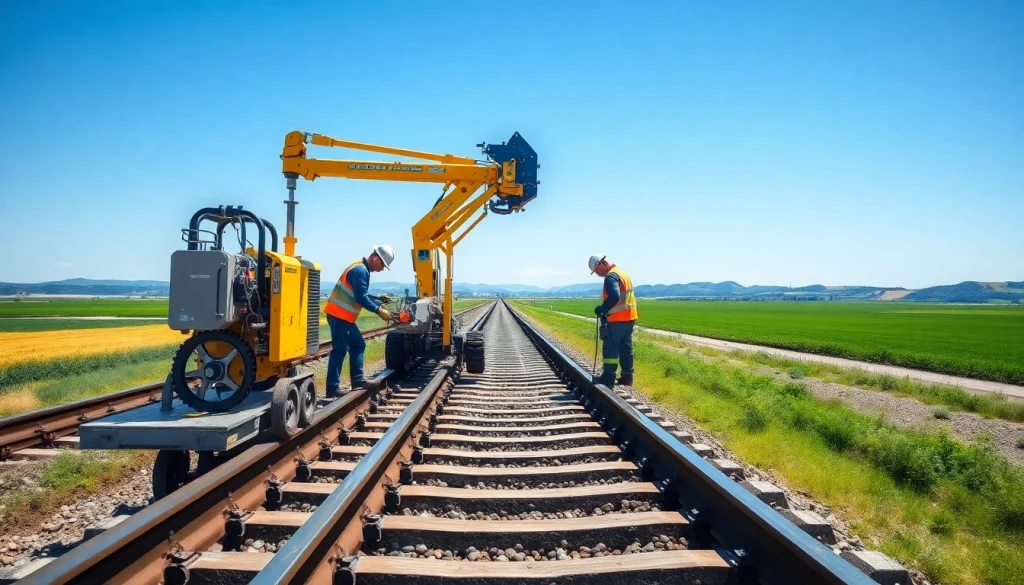
Understanding Railroad Maintenance
What is Railroad Maintenance?
Railroad maintenance encompasses the systematic procedures and activities required to ensure the safety, efficiency, and longevity of rail infrastructure. This includes the upkeep of tracks, signals, bridges, and rolling stock. Effective maintenance strategies are essential to managing risks, minimizing downtime, and ensuring the reliable transportation of goods and passengers. Engaging in Railroad Maintenance means addressing various factors such as track alignment, surface condition, and the proper function of rail equipment.
Importance of Railroad Maintenance
The significance of railroad maintenance cannot be overstated. With the collective role of the railway system in transportation and logistics, especially in moving freight and passengers, it is crucial to maintain infrastructure. A single fault can lead to catastrophic accidents, delays, and significant economic repercussions. Efficient maintenance practices not only prolong the life of assets but also enhance safety, reduce operational costs, and improve service reliability. In essence, proactive maintenance upholds the operational integrity of the rail network.
Challenges in Railroad Maintenance
While the importance of railroad maintenance is clear, it is not without challenges. Factors such as environmental conditions, aging infrastructure, budget constraints, and limited resources can hinder maintenance efforts. Additionally, unpredicted wear and tear can complicate maintenance schedules. Integration of effective planning and management strategies is essential to overcome these challenges and ensure maintenance is performed efficiently.
Types of Railroad Maintenance
Preventive Maintenance
Preventive maintenance refers to scheduled inspections and upkeep to prevent breakdowns and extend the life of railroad assets. This type includes regular track inspections, replacing worn components before they fail, and routine testing of signaling systems. Implementing preventive measures helps in identifying potential issues before they escalate into major problems, thereby reducing operational interruptions and safety risks.
Corrective Maintenance
Corrective maintenance occurs after a defect or failure has been identified. This reactive approach is generally more costly than preventive maintenance, as it involves repairing or replacing damaged equipment under emergency conditions. While useful in addressing immediate issues, relying solely on corrective maintenance can result in increased downtime and safety concerns if not managed appropriately.
Predictive Maintenance
Predictive maintenance applies modern technology, such as data analytics and sensor-based monitoring, to predict equipment failures before they occur. This proactive approach allows for maintenance activities to be scheduled based on actual usage and condition rather than on a preset timetable. By analyzing real-time data, railroads can optimize maintenance measures effectively, ensuring that resources are allocated where they are most needed.
Best Practices in Railroad Maintenance
Regular Inspections and Audits
Comprehensive inspections and audits should be performed frequently to ensure railroad assets are safe and functioning optimally. These inspections involve checking track condition, train control systems, and overall station integrity. By adhering to a strict schedule of audits, railroads can identify maintenance needs, prioritize repairs, and ensure compliance with safety regulations and standards.
Utilizing Technology and Tools
Adopting cutting-edge technologies and tools in railroad maintenance can dramatically enhance efficiency. Drones for aerial inspections, mobile apps for reporting issues, and machine learning for analyzing track conditions are just a few examples. By leveraging technology, maintenance teams can achieve higher accuracy in assessments, improve response times to issues, and reduce labor costs associated with traditional inspection methodologies.
Training and Safety Protocols
Ongoing training and strict adherence to safety protocols are paramount in railroad maintenance. Employees must be equipped with the necessary skills and knowledge to carry out maintenance tasks safely and effectively. Regular safety drills, alongside training in new technologies and equipment, can foster a culture of safety and professionalism, which is vital in mitigating risks on the railroads.
Monitoring Performance Metrics
Key Performance Indicators (KPIs)
Establishing key performance indicators (KPIs) serves as a robust framework for gauging the efficiency of railroad maintenance operations. Metrics such as mean time between failures (MTBF), maintenance costs as a percentage of asset value, and incident rates can provide insights into system performance. Regularly reviewing these KPIs allows maintenance teams to identify trends, make informed decisions, and continually improve maintenance processes.
Cost-Benefit Analysis in Maintenance
Conducting a thorough cost-benefit analysis is crucial for evaluating the financial impact of maintenance strategies. By comparing the anticipated savings from preventive measures against costs incurred from equipment failures and downtime, railroads can make strategic decisions about how best to allocate maintenance budgets. A strong emphasis on cost-effectiveness ensures long-term sustainability and capacity to innovate.
Reporting and Documentation Systems
Implementing robust reporting and documentation systems is essential for successful railroad maintenance. Comprehensive records of maintenance activities, inspections, and repairs help track performance and compliance with safety regulations. Documentation also facilitates effective communication across teams, enabling data-driven decision-making and transparency in maintenance practices.
Future Trends in Railroad Maintenance
Automation and Innovation
The railroad industry is steadily leaning towards automation and innovation as a way to enhance maintenance processes. Automated inspection systems utilizing imaging technology and ground-penetrating radar can identify track issues that might not be visible to the naked eye. The transition towards automation allows for increased efficiency, reduces reliance on manual inspections, and enhances the safety of maintenance personnel.
Environmental Considerations
With an increasing emphasis on sustainability, environmental considerations are becoming integral to railroad maintenance practices. Railroads are adopting eco-friendly materials and methods in their operations, focusing on reducing their carbon footprint. For instance, utilizing renewable energy sources for powering maintenance equipment signifies a progressive shift towards sustainable practices in the industry.
Integrating Smart Technologies
Smart technologies such as Internet of Things (IoT) devices are gradually making their way into railroad maintenance strategies. These devices allow for real-time monitoring of track conditions and equipment performance, contributing invaluable data for predictive maintenance. The integration of smart technologies aims to enhance operational efficiencies while providing valuable insights that help enhance safety and reliability across rail networks.
FAQs about Railroad Maintenance
What is the primary purpose of railroad maintenance?
The primary purpose of railroad maintenance is to ensure the safety, reliability, and longevity of rail infrastructure and rolling stock. It involves regular inspections, repairs, and upgrades to prevent failures and enhance operational efficiency.
What are the main types of railroad maintenance?
The main types of railroad maintenance include preventive maintenance (scheduled upkeep), corrective maintenance (repairs after failures), and predictive maintenance (data-driven forecasting of equipment needs).
How often should railroad tracks be inspected?
Railroad tracks should generally be inspected regularly, often several times a year, depending on the usage, environmental conditions, and local regulations. Frequent inspection helps identify potential issues before they become serious problems.
What role does technology play in railroad maintenance?
Technology plays a crucial role in enhancing the efficiency and accuracy of railroad maintenance. It assists with automated inspections, data analysis, predictive maintenance, and real-time monitoring of rail assets.
Why is safety training important for maintenance personnel?
Safety training is vital for maintenance personnel to ensure they are equipped with the skills and knowledge to perform their jobs safely. It helps prevent accidents, promotes compliance with safety regulations, and fosters a culture of safety within the organization.