
- Understanding the Importance of Construction Safety Training
- Core Elements of Effective Construction Safety Training
- Compliance and Regulations in Construction Safety Training
- Implementing Safety Training Programs in Your Organization
- Future Trends in Construction Safety Training
- FAQs About Construction Safety Training
Understanding the Importance of Construction Safety Training
The Role of Construction Safety Training
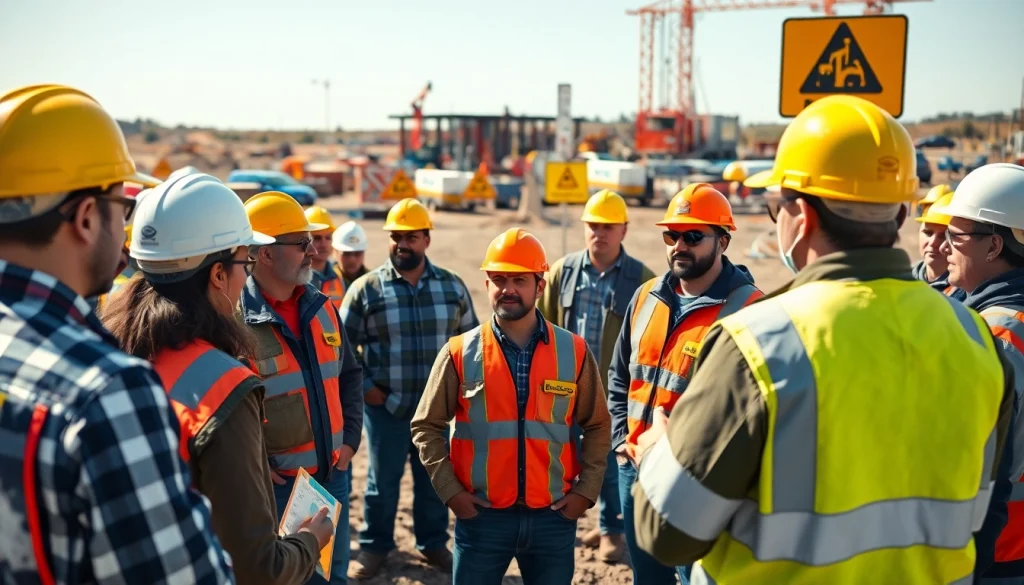
Construction safety training plays a critical role in maintaining a safe work environment on construction sites. It equips workers with the knowledge and skills needed to identify hazards, use safety equipment properly, and respond effectively to emergencies. By investing in construction safety training, organizations can significantly reduce the risk of accidents and injuries, fostering a culture of safety awareness among all employees.
Key Benefits of Engaging in Construction Safety Training
1. Reduced Injury Rates: One of the most significant benefits of construction safety training is the decrease in workplace injuries and accidents. Knowledgeable employees are better poised to avoid dangerous situations and recognize potential hazards before they become problematic.
2. Compliance with Regulations: Engaging in structured safety training ensures that workers remain compliant with local and federal regulations. This avoids legal repercussions and promotes a safe working environment.
3. Enhanced Productivity: A safe environment allows workers to focus on their tasks without the fear of accidents. This enhances productivity and ultimately profits for the organization.
4. Reduction in Costs: Fewer accidents lead to lower insurance premiums and reduced costs related to worker compensation and medical expenses.
5. Improved Employee Morale: Workers are more satisfied in their roles when safety is prioritized. This leads to employee retention and a more positive workplace culture.
Common Misconceptions About Construction Safety Training
Despite its importance, several misconceptions surrounding construction safety training can hinder its implementation:
- It’s Only for New Workers: Many believe safety training is only necessary for new employees. In reality, continuous training is pivotal as job roles, equipment, and regulations evolve.
- Training is a One-Time Event: Safety training should be ongoing, not a one-off event. Regular refreshers ensure that all staff members remain informed about safety practices.
- Training is Too Time-Consuming: While there is a time investment, the long-term benefits far outweigh the initial costs, helping to save time and resources by preventing incidents.
Core Elements of Effective Construction Safety Training
Identifying Potential Hazards on Site
A pivotal element of effective construction safety training is the ability to identify hazards on site. This includes understanding:
- Environmental hazards: Weather conditions, ground stability.
- Physical hazards: Equipment, materials, and machinery.
- Ergonomics: Proper lifting techniques and body mechanics to minimize injuries.
Conducting regular site assessments and utilizing checklists can be effective methods to identify these hazards.
Creating an Interactive Training Environment
Engaging training sessions foster better understanding and retention of safety practices. Techniques to enhance interaction may include:
- Hands-on demonstrations: Allowing participants to practice using safety equipment.
- Group discussions: Encouraging sharing of personal experiences related to safety.
- Simulations: Creating real-life scenarios that workers might encounter on site.
Best Practices for Delivering Safety Training Content
When developing training content, ensuring it is relevant and accessible for all employees is essential. Best practices for creating impactful training include:
- Tailoring content: Customize training based on the job roles and specific hazards associated with those roles.
- Using visual aids: Incorporate videos, infographics, and images to enhance learning.
- Providing clear documentation: Ensure all training materials are readily available for future reference.
Compliance and Regulations in Construction Safety Training
Overview of OSHA Standards for Training
The Occupational Safety and Health Administration (OSHA) provides guidelines that must be adhered to when conducting safety training. These guidelines ensure that employees are trained in recognizing and preventing hazards specific to their job functions. Key requirements include standards for general safety, specialized equipment operation, and emergency response protocols.
Understanding Local Regulations and Compliance
In addition to federal guidelines, local regulations may impose stricter safety training requirements. Construction firms must stay updated on local laws to guarantee compliance. This involves proactively reviewing state-specific regulations and incorporating them into the training programs.
How to Stay Updated on Safety Regulations
Staying informed about changes in safety regulations requires a proactive approach:
- Continued education: Encourage team members to attend workshops and seminars.
- Subscription to industry newsletters: These can provide updates on relevant legislation.
- Networking: Engaging with professionals within the construction safety community can provide insights and updates.
Implementing Safety Training Programs in Your Organization
Steps to Develop an In-House Training Program
Establishing an in-house training program involves several key steps:
- Identify the specific safety training needs based on the type of work and employee roles.
- Develop a comprehensive curriculum that incorporates OSHA guidelines and local regulations.
- Schedule regular training sessions and maintain attendance records for compliance purposes.
- Evaluate the effectiveness of the training regularly and make adjustments based on feedback and incident reports.
Choosing Qualified Instructors for Construction Safety Training
Instructors should possess both relevant experience and certifications in safety training. Look for individuals who:
- Have hands-on experience in construction.
- Are certified professionals by recognized safety organizations.
- Demonstrate effective communication and teaching skills.
Measuring Training Effectiveness and Improvement Areas
Evaluating the impact of training involves tracking performance indicators such as:
- Incident and accident rates before and after training.
- Employee feedback on the training experience.
- Compliance with safety regulations during audits.
Utilizing this data can pinpoint areas for improvement and inform future training programs.
Future Trends in Construction Safety Training
Utilizing Technology for Enhanced Training Experiences
Advancements in technology are reshaping the way safety training is delivered. Virtual reality (VR) and augmented reality (AR) can create immersive training modules that simulate real-world scenarios, allowing workers to practice skills in a safe environment. Online training platforms also provide flexibility for workers to complete training at their own pace.
Adapting to Evolving Industry Standards
As the construction industry evolves, so do the potential hazards and corresponding safety measures. Continuous monitoring of trends and emerging technologies is essential for keeping training programs relevant. Adapting content to reflect newer practices and equipment ensures that workers are always prepared for contemporary challenges.
Fostering a Culture of Safety in Construction
Creating a culture of safety extends beyond training; it’s about instilling values that prioritize well-being. Leaders should encourage open communication about safety concerns, provide incentives for safe practices, and engage all employees in safety initiatives. This collaborative approach significantly enhances the overall safety climate on construction sites.