
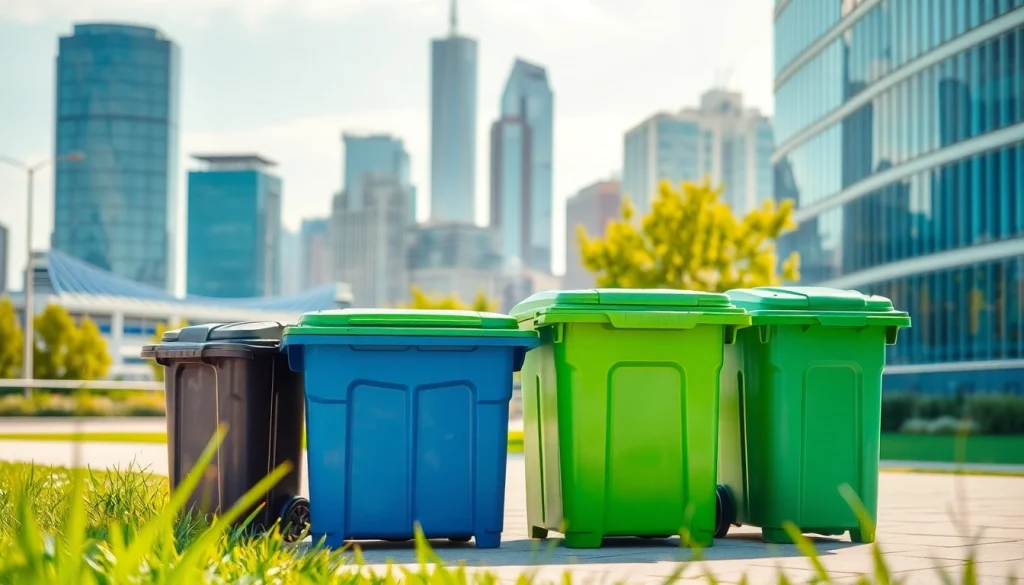
The Importance of Garbage Removal Bins in Urban Areas
As urban populations continue to grow, the management of waste becomes increasingly critical. One of the essential components of effective waste management in these areas is the deployment of garbage removal bins. These bins not only play a significant role in keeping cities clean but also contribute to community health and safety, enhance environmental sustainability, and streamline waste collection processes.
Community Health and Safety
The presence of adequate garbage removal bins is vital for ensuring community health and safety. Overflowing trash can attract vermin, create unpleasant odors, and pose health risks to residents. Properly placed and maintained bins facilitate responsible waste disposal, encouraging community members to discard their waste correctly and minimizing public littering. Moreover, regular waste collection from these bins prevents the stagnation of waste, reducing the chances of disease outbreaks associated with unhygienic conditions.
Environmental Impact of Waste Management
One of the larger challenges faced by urban centers is the environmental impact resulting from improper waste disposal. Garbage removal bins aimed at segregation can significantly reduce landfill contributions by promoting recycling and composting. When bins are thoughtfully designed with compartments for recyclable materials, hazardous waste, and organic matter, they help reduce the harmful effects of waste on the environment by allowing for proper recycling and disposal routes. This systemic approach aligns with broader sustainability goals and enhances overall community aesthetics.
Streamlining Waste Collection Processes
Efficient garbage removal bins not only serve community needs but also streamline waste collection processes. By utilizing strategically placed bins, municipalities can optimize collection routes, reducing not only operational costs but also the carbon footprint associated with waste transportation. Upgraded bin designs with advanced features such as smart sensors can alert waste management services when bins are full, improving the efficiency of collection schedules and reducing the frequency of overflow incidents.
Choosing the Right Garbage Removal Bins
Selecting appropriate garbage removal bins is essential for maximizing their effectiveness. Various factors must be considered, including size, placement, material durability, and aesthetic integration, to cater to a community’s specific needs.
Factors to Consider: Size and Placement
When determining the size of garbage removal bins, it’s crucial to assess the waste generation patterns of a neighborhood. Larger bins are beneficial in high-density areas where waste is generated in greater volumes, while smaller bins may suffice for less populated zones. Placement also plays a critical role in fostering proper use—bins should be located in areas with high foot traffic and easily accessible spots to encourage responsible disposal and minimize litter-related issues.
Material Durability and Weather Resistance
Durability is paramount when selecting garbage removal bins, especially in urban settings subject to harsh weather conditions. Bins made from high-density polyethylene (HDPE) or metal materials provide a durable option capable of withstanding various environmental factors. Weather-resistant features ensure that bins do not deteriorate over time, maintaining their functional integrity and visual appeal within the community.
Design and Aesthetic Integration
Beyond functionality, the design of garbage removal bins should align with the aesthetic values of the community. Customizable bins that reflect local culture or incorporate artistic elements can significantly enhance public spaces. Additionally, visually appealing bins can attract attention, promoting their usage and inspiring community activism around waste management initiatives, thereby fostering a sense of ownership and pride among residents.
Best Practices for Maintaining Garbage Removal Bins
The effectiveness of garbage removal bins is not solely dependent on their initial selection and placement but also on proper maintenance practices. Regular cleaning, waste segregation, and community involvement are essential for maintaining their functionality and cleanliness.
Regular Cleaning Schedules
Routine cleaning of garbage removal bins ensures that they remain hygienic and visually appealing. Establishing a cleaning schedule—perhaps bi-weekly or monthly—depends on the bin’s usage levels will keep them in good condition. Ongoing maintenance not only helps prevent unpleasant odors and pest attraction but also encourages usage by promoting a favorable environment for waste disposal.
Proper Waste Segregation Techniques
Implementing proper waste segregation techniques can greatly enhance the efficiency of garbage removal systems. Providing clear labeling on bins, indicating what type of waste belongs in each, can significantly influence correct disposal practices. Educational initiatives within the community further reinforce these segregation practices, thereby maximizing recycling efforts and reducing the volume of waste sent to landfills.
Community Involvement in Maintenance
Community involvement is crucial in maintaining garbage removal bins. Encouraging local residents to participate in “Adopt-a-Bin” programs can create a sense of responsibility and ownership. Such programs can involve communities in routine checks, reporting issues, and even cleaning, leading to a more engaged citizenry and improved waste management practices overall.
Innovations in Garbage Removal Bin Technology
As urban waste management evolves, the technology associated with garbage removal bins is also advancing. Innovations in this field promise to enhance efficiency, functionality, and sustainability, aiding cities in addressing modern waste management challenges effectively.
Smart Bins: Enhancing Efficiency
Smart garbage removal bins are revolutionizing waste collection by integrating technology to monitor the fill levels of waste containers in real-time. Such advancements enable waste management authorities to optimize their collection routes, ensuring that bins are emptied before overflow occurs. Features like compactors and solar-powered systems can further reduce waste transportation costs and environmental impacts.
Eco-Friendly Materials and Practices
The shift towards eco-friendly materials in garbage removal bins is gaining traction. Bins made from recycled plastics or sustainable materials contribute to a circular economy and minimize reliance on virgin resources. Furthermore, implementing biodegradable liners can enhance waste management systems by ensuring that waste remains contained and prevents odors and leakage.
The Future of Waste Management Solutions
The future of waste management solutions lies in a multifaceted approach involving community participation, technological innovation, and eco-conscious practices. Municipalities are likely to increasingly adopt integrated waste management systems that encompass source reduction, recycling, composting, and responsible disposal. Continuous investment in infrastructure, education, and technology will be necessary to adapt to urban growth dynamics and environmental sustainability goals.
Common Challenges and Solutions in Waste Management
Despite efforts to enhance waste management, several challenges persist. Addressing public resistance, dealing with overflow, and measuring success are all common hurdles that require effective solutions.
Overcoming Public Resistance to New Bins
Introducing new garbage removal bins can sometimes be met with public resistance due to a lack of understanding, perceived inconveniences, or skepticism regarding their effectiveness. To combat this, municipalities should engage communities in the decision-making process and focus on education about the benefits of new bin systems. Transparency regarding the selection process and how these bins improve their environment can help mitigate pushback.
Addressing Overflow and Maintenance Issues
Overflowing garbage removal bins can lead to unsightly streets and public health hazards. One effective solution is implementing a reporting app or hotline where residents can report full bins to local authorities. Moreover, regular assessments of bin usage can help manage collection schedules and reduce the likelihood of overflow incidents. Engaging the community in monitoring can also enhance responsiveness.
Measuring Success in Waste Reduction Efforts
To gauge the effectiveness of garbage removal systems, municipalities should establish clear performance metrics. Regular analysis of waste diversion rates, citizen feedback, and community participation statistics can provide valuable insights into management practices. Adjusting strategies based on this data ensures the ongoing improvement of waste management initiatives and aligns efforts with community needs and environmental goals.
Frequently Asked Questions
What are the different types of garbage removal bins?
There are several types, including residential, commercial, and specialized bins, each designed for specific waste types and volumes.
How often should garbage removal bins be emptied?
Typically, bins should be emptied weekly or bi-weekly; however, frequency may increase during peak waste times.
Can I customize my garbage removal bins?
Yes, many services offer customizable options for size, color, and branding to match community aesthetics.
What happens to waste collected from garbage removal bins?
Collected waste is typically sorted, recycled, composted, or disposed of in landfills, depending on local regulations.
How can communities encourage proper use of garbage removal bins?
Education campaigns and community events can promote awareness and encourage residents to use bins correctly and responsibly.