
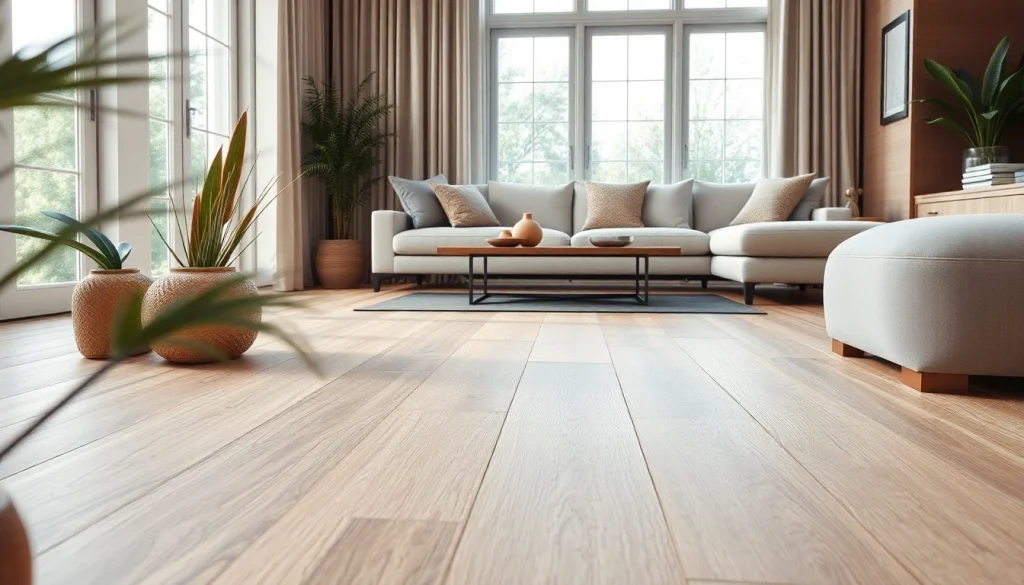
What is Vinyl Flooring?
Vinyl flooring is a synthetic flooring material known for its durability, versatility, and affordability. It is widely used in both residential and commercial environments due to its ability to mimic the appearance of natural materials such as wood, stone, or tile while offering superior resilience and ease of maintenance. For those interested in exploring various options, vinyl flooring provides an excellent solution for enhancing any space.
Understanding Vinyl Flooring Types
Vinyl flooring comes in several types, each designed for specific uses and aesthetics:
- Vinyl Plank Flooring: Resembles hardwood, available in long strips, and provides an authentic wood look.
- Vinyl Tile Flooring: Mimics ceramic or stone tiles, often used in kitchens and bathrooms for its water-resistance.
- Vinyl Sheet Flooring: Comes in large sheets, ideal for creating uninterrupted design aesthetics in larger spaces.
Key Benefits of Vinyl Flooring
Choosing vinyl flooring offers numerous advantages:
- Durability: Vinyl is resistant to scratches, dents, and stains, making it ideal for high-traffic areas.
- Water Resistance: Many vinyl products are waterproof, suitable for moisture-prone areas like bathrooms and kitchens.
- Comfort: Vinyl flooring provides a softer surface underfoot compared to tile or hardwood, making it more comfortable to stand on for long periods.
- Easy Maintenance: Cleaning vinyl flooring is straightforward, requiring only regular sweeping and occasional mopping.
- Affordability: Vinyl tends to be less expensive than hardwood or tile, offering a budget-friendly flooring solution.
Common Misconceptions About Vinyl Flooring
Despite its popularity, there are several misconceptions surrounding vinyl flooring:
- “Vinyl is low-quality.” Many premium vinyl options are available, providing a sophisticated look and feel.
- “It’s not eco-friendly.” Advances in manufacturing have led to more sustainable vinyl options, including recyclable materials.
- “Vinyl flooring is difficult to install.” With current technologies, including peel-and-stick options, self-installation is often straightforward.
Choosing the Right Vinyl Flooring for Your Space
Selecting the appropriate vinyl flooring for your environment can be a transformative decision that significantly enhances your space’s beauty and functionality.
Assessing Your Needs and Preferences
Your specific needs and preferences are paramount when choosing vinyl flooring. Consider factors like:
- Room Function: High-traffic areas benefit from more durable options, while bedrooms might prioritize aesthetics.
- Design Style: Ensure that the look fits your overall decor and personal style—rustic, modern, etc.
- Comfort Level: Your choice might also hinge on the comfort of underfoot, particularly if you spend a lot of time standing.
Exploring Design Options for Vinyl Flooring
The design possibilities with vinyl flooring are vast, allowing for creative expression. Popular trends include:
- Natural Looks: Designs that mimic hardwood or stone for a traditional feel.
- Patterns: Geometric or floral patterns for a bold statement.
- Color Variety: Available in an array of colors that can match or contrast with existing decor.
Comparing Quality and Price Points
Vinyl flooring prices significantly vary based on quality, thickness, and the manufacturer. A good practice is to evaluate:
- Warranty: Premium products often come with longer warranties, indicating greater durability.
- Reviews and Ratings: User experiences can provide valuable insights into product performance.
- Price vs. Longevity: Consider the long-term value of higher quality flooring over cheaper options that may need replacing sooner.
Installation Process for Vinyl Flooring
Installing vinyl flooring can be a manageable DIY project, especially with proper guidance. Here, we’ll walk through the essential steps:
Preparation: Measuring and Subfloor Assessment
Start with accurate measurements of your space to calculate the amount of vinyl needed. Assess the subfloor for:
- Levelness: The floor should be flat and even, with no significant dips or bumps.
- Cleanliness: Remove any debris, dust, or old flooring that can affect the installation.
- Dryness: Ensure that the subfloor is dry, particularly if you’re working in a moisture-prone area.
Step-by-Step Vinyl Flooring Installation Guide
Follow these steps to install vinyl flooring:
- Gather Tools: You’ll need a utility knife, measuring tape, straight edge, and a roller.
- Lay Out the Vinyl: Before adhering, lay out the pieces in the room to ensure the design aligns as desired.
- Adhesive Application: Depending on the type of vinyl, apply adhesive to the subfloor or directly on the plank.
- Placement: Carefully place the vinyl, pressing down firmly as you go to avoid air bubbles.
- Trimming Edges: Use your utility knife to trim any excess material along the edges for a clean finish.
- Roll It Out: Use a flooring roller to press the vinyl thoroughly into place, ensuring an even bond.
Post-Installation Care Tips
Once your vinyl flooring is installed, implement these care tips:
- Allow Time to Set: Avoid heavy foot traffic for at least 24-48 hours to allow the adhesive to cure properly.
- Use Protective Pads: Adding pads under furniture legs can prevent scratches and dents.
- Avoid Excess Water: While vinyl is water-resistant, excessive moisture can still damage it; clean spills promptly.
Maintaining Your Vinyl Flooring
Regular maintenance can significantly extend the life of your vinyl flooring, keeping it beautiful and functioning effectively.
Daily Cleaning Practices for Optimal Longevity
Establishing a daily cleaning routine is essential. Focus on:
- Dust and Dirt Removal: Regularly sweep or vacuum to prevent dirt buildup.
- Spot Cleaning: Address spills promptly with a damp cloth or mop, using mild cleaners specifically designed for vinyl.
- Weekly Deep Cleaning: Use a vinyl-safe cleaner for a thorough scrub-down to maintain its shine.
Protective Measures to Keep Vinyl Flooring Looking New
In addition to regular cleaning, consider these protective measures:
- Rugs and Mats: Place mats at entryways to reduce dirt tracked onto the floors.
- Use Appropriate Cleaners: Avoid harsh chemicals or abrasive tools that may damage the finish.
- Regular Inspections: Periodically check for any signs of wear and address them promptly to avoid larger issues.
When to Seek Professional Maintenance
Some scenarios warrant professional intervention:
- Severe Damage: If the flooring shows significant wear, cracking, or peeling, consult a professional.
- Subfloor Issues: Any concerns regarding the integrity of the subfloor beneath may necessitate expert diagnosis.
- Resealing: Advanced methods, such as resealing, require tools and expertise best suited for professionals.
FAQs About Vinyl Flooring
What Are the Different Types of Vinyl Flooring?
Various types include vinyl planks, sheets, and tiles, catering to different aesthetic and functional requirements.
Is Vinyl Flooring Suitable for Homes with Pets?
Yes, due to its durability and scratch resistance, vinyl flooring is an excellent option for pet-friendly homes.
How Long Does Vinyl Flooring Last?
With proper maintenance, vinyl flooring can last between 10 to 20 years, depending on the quality of the material.
Can Vinyl Flooring Be Installed Over Existing Floors?
Yes, vinyl flooring can often be installed over existing floors, provided they are structurally sound and properly prepared.
What Should I Use for Cleaning Vinyl Flooring?
Utilize a damp mop with a mild cleaner specifically designed for vinyl to keep your flooring in optimal condition.