
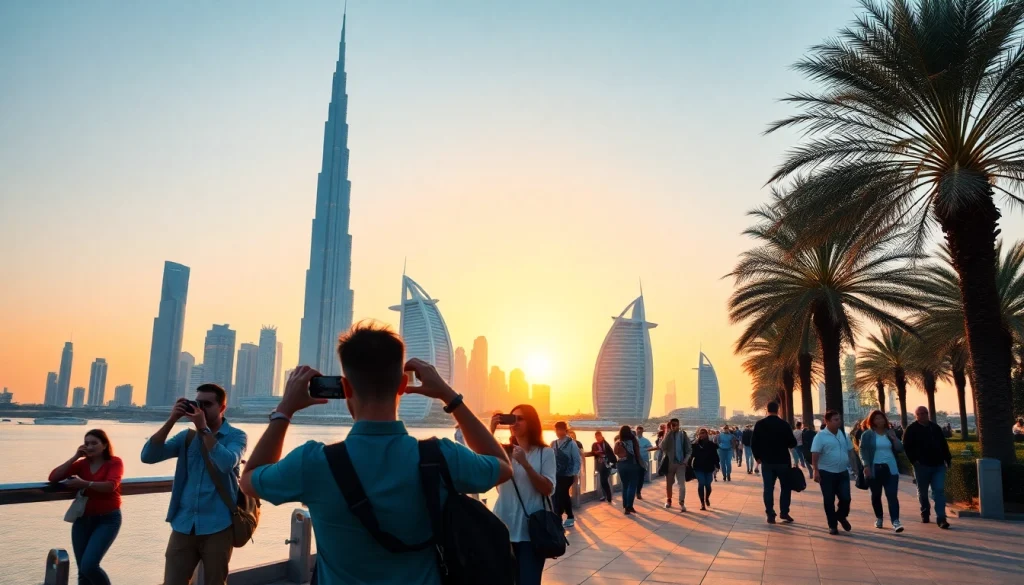
Introduction to Dubai: A City of Contrasts
Dubai is a city that epitomizes the phrase “the best of both worlds.” With its striking skyline dominated by futuristic skyscrapers juxtaposed against traditional markets and bustling streets, it’s a place where ancient culture meets modern innovation. If you are keen to delve deeper into this fascinating city, look no further than the vibrant experiences awaiting you. From exploring expansive shopping malls to discovering quiet, serene desert landscapes, there are countless opportunities to immerse yourself in the many layers of Dubai’s identity. To truly embrace all that this remarkable city has to offer, you may wish to Explore Dubai in a way that suits every taste and preference.
History and Culture of Dubai
Dubai’s history dates back to the 18th century when it began as a small fishing village that thrived on trade. Its location along the Arabian Peninsula made it a key port and trading hub, allowing it to flourish for centuries. The discovery of oil in the 20th century transformed this modest town into a global metropolis. Traditional Emirati culture is rich and vibrant, reflected in its music, dance, arts, and more, all of which form an integral part of Dubai’s contemporary identity. Understanding the roots of its cultural heritage provides visitors with a richer experience and appreciation of what they see.
The Modern vs. Traditional Architecture in Dubai
Architecturally, Dubai is a fascinating juxtaposition of past and present. Iconic landmarks such as the Burj Khalifa signify cutting-edge design, whereas structures like the Al Fahidi Historic District showcase beautifully preserved traditional buildings. The contrast between glass-walled skyscrapers and wind towers offers visitors a unique glimpse at how Dubai has evolved over the decades. Notably, the architectural innovations are not merely aesthetic; they integrate sustainable practices to align with contemporary environmental considerations.
Local Customs and Etiquette
Understanding local customs can greatly enhance your experience in Dubai. The culture emphasizes respect and hospitality, pivotal in Emirati society. Visitors should be mindful of local traditions, particularly during the holy month of Ramadan, when eating and drinking in public places during daylight hours is discouraged. Dressing modestly, particularly in traditional areas and religious sites, is also crucial for respectful interaction with the local community. Observing these customs can provide a deeper connection to Dubai’s rich culture.
Top Attractions to Explore Dubai
Iconic Landmarks in Dubai
Dubai’s skyline is undeniably stunning, packed with landmarks that are awe-inspiring. The Burj Khalifa stands as the tallest structure in the world, offering panoramic views from its observation decks. Not far behind are the iconic Palm Jumeirah and the luxurious Atlantis, The Palm resort. Visitors also flock to the Dubai Mall, which houses the Dubai Aquarium and Underwater Zoo, making for an unforgettable family outing. Each of these landmarks has its own story and experience, contributing to why Dubai attracts millions of tourists each year.
Hidden Gems Off the Beaten Path
While the famous attractions are must-sees, Dubai also has hidden gems waiting to be discovered. Places like the Dubai Design District offer a creative vibe, featuring local and international artists and designers. The Al Qudra Lakes provide a serene escape from the city’s hustle and bustle, where visitors can picnic while enjoying stunning sunsets. Exploring these lesser-known spots gives travelers a chance to experience a more authentic side of Dubai, beyond the typical tourist hotspots.
Family-Friendly Activities
Dubai is a family-friendly destination with a plethora of activities suited for all ages. Theme parks such as Dubai Parks and Resorts and Legoland Dubai provide thrilling experiences for children and adults alike. The Dubai Dolphinarium promises an interactive and educational encounter with marine life, while the Dubai Aquarium allows families to marvel at an array of fascinating species. With these options, families will find endless opportunities to bond and create lasting memories in this dynamic city.
Culinary Delights: Taste the Best of Dubai
Must-Try Traditional Dishes
A journey through Dubai is incomplete without savoring its diverse culinary scene. Traditional dishes such as Shawarma, a spiced meat wrap, and Al Harees, a wheat and meat dish, are essential to the local diet. Don’t miss out on sampling the Emirati breakfast of Balaleet, a sweet and savory noodle dish. Visiting the local souks and food markets allows you to experience these traditional delights firsthand, immersing yourself in the local culture through food.
Dining Options: From Street Food to Fine Dining
Dubai caters to every palate, featuring a spectrum of dining experiences from street food stalls to high-end restaurants. The Global Village serves not only delicious street food but also showcases culinary dishes from various countries, offering a multicultural experience. In contrast, restaurants like At.mosphere, located on the 122nd floor of Burj Khalifa, provide a lavish setting with spectacular views. This culinary variety ensures that there is something for everyone, regardless of budget or preference.
Exploring Global Cuisine in Dubai
Beyond Emirati cuisine, Dubai is famed for its international culinary offerings. The city boasts restaurants serving Indian, Thai, Italian, Mexican, and many other global cuisines, thanks to its diverse populace. Food lovers can embark on food tours to discover eateries beloved by locals, ensuring an authentic dining experience. This gastronomic diversity not only reflects Dubai’s cultural melting pot but also enhances the overall experience for tourists exploring the city.
Tips for Navigating Dubai Efficiently
Public Transportation in Dubai
Dubai boasts a highly efficient public transportation system that includes the Dubai Metro, buses, and water taxis. The Metro is particularly convenient for tourists, connecting major attractions without the hassle of traffic. The Nol Card system makes traveling easy, allowing visitors to seamlessly tap in and out of their chosen modes of transport. Understanding the public transport layout can save travelers both time and money while exploring the city.
Best Times to Visit for Tourists
The best time to visit Dubai is during the cooler months from October to April, when temperatures are more bearable for outdoor activities. This period also coincides with various festivals and events, such as the Dubai Shopping Festival and Art Dubai. If you wish to experience local culture at its peak, planning your visit during these times can offer richer experiences and memorable activities.
Staying Safe and Adapting to the Environment
Dubai is one of the safest cities in the world, but it’s wise to remain cautious as in any major city. Visitors should familiarize themselves with local laws and cultural norms to avoid unintentional offenses. Staying well-hydrated and protecting oneself from the sun is vital given the hot climate, especially during the summer months. By staying aware and prepared, travelers can enjoy a safe and pleasant experience while exploring this vibrant destination.
Frequently Asked Questions about Dubai
What is the best time to Explore Dubai?
The best time to explore Dubai is between October and April when the weather is cooler and more pleasant for outdoor activities.
Is Dubai affordable for tourists?
Dubai can vary in affordability. While luxury options exist, there are also budget-friendly hotels, dining, and transport, making it accessible for varying budgets.
What languages are spoken in Dubai?
The official language is Arabic, but English is widely spoken, especially in the hospitality and tourism sectors, making communication easy for visitors.
Are there direct flights to Dubai from major cities?
Yes, Dubai International Airport has direct flights from numerous major cities around the world, making it a convenient destination for international travelers.
What should I wear when visiting Dubai?
Visitors should wear modest clothing, particularly in cultural sites and public places. Lightweight fabrics are advisable to combat the heat while respecting local customs.