
Understanding the Role of Island Light in Home Decor
Defining the Concept of Island Light
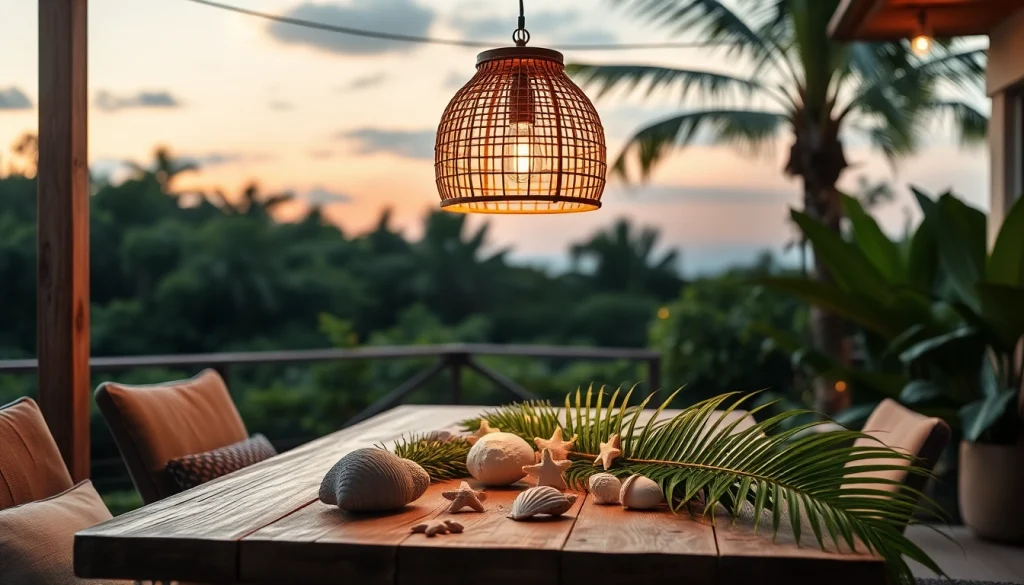
Island light fixtures are specifically designed to illuminate spaces such as kitchen islands and dining tables, providing both functional and aesthetic benefits. These light fixtures often take the form of pendants or chandeliers and are typically suspended above the specified area, casting a warm and inviting glow. The distinct nature of island lights not only enhances visibility while preparing food or enjoying a meal but also serves as a centerpiece in the room, contributing to the overall decor. Incorporating an island light into your space can significantly elevate its ambiance and style.
Why Choose Island Light for Your Space?
Choosing island light for your living space is a decision that blends practicality with style. This type of lighting serves multiple purposes: it provides illumination for tasks such as cooking and dining, while simultaneously acting as a decorative element that enhances the overall aesthetic of the room. The versatility of island lights makes them suitable not only for kitchens but also for dining areas, home bars, and even workspaces. Additionally, they come in a variety of styles, materials, and colors, allowing homeowners to customize their lighting solutions to fit their personal decor preferences and functional needs.
Popular Styles of Island Light
The market offers a diverse range of island light styles. Traditional designs often feature ornate chandeliers, while modern options may present sleek lines and minimalist shapes. Here are some popular styles:
- Industrial: Often made of metal with exposed bulbs, industrial lights add a rugged charm.
- Rustic: These fixtures may use wood or aged metal for a cozy, farmhouse feel.
- Modern: Clean lines, geometric shapes, and integrated LED technology characterize modern designs.
- Vintage: Replicas of old-fashioned fixtures, these lights bring character and nostalgia.
- Glass and Crystal: These fixtures add elegance and enhance light reflection, creating a more luminous space.
Selecting the Right Island Light for Your Needs
Factors to Consider When Choosing Island Light
Selecting the ideal island light involves careful consideration of various factors. Firstly, think about the size of the space; a larger area may require multiple fixtures or a more substantial design to ensure even lighting. Secondly, the overall style of your home should influence your choice; the island light should complement existing decor, creating a cohesive look. Additionally, consider the type of bulbs and energy efficiency; opt for fixtures that come with LED options to minimize energy consumption while maximizing brightness.
Best Materials for Island Light
When it comes to materials, a variety of factors come into play, including durability, maintenance, and style compatibility. Common materials for island light include:
- Metal: Offers durability and is available in numerous finishes, from polished chrome to antique brass.
- Wood: Ideal for rustic designs and can bring warmth to the space.
- Glass: Provides elegance and can be frosted or clear, depending on the desired effect.
- Fabric: Softens the light and can add texture to the space.
How Size and Scale Affect Island Light Choice
The size of the island light should correlate with the dimensions of the area it serves. For instance, larger islands benefit from oversized fixtures to ensure adequate illumination and a balanced visual appearance. Conversely, smaller fixtures can create a delicate ambiance in compact areas without overwhelming the space. A good rule of thumb is to select a fixture with a diameter that is approximately one-third the length of the island or table it will be lighting. This sizing strategy ensures that your lighting fixture serves its purpose while aligning beautifully with your decor.
Effective Placement Strategies for Island Light
Ideal Locations for Island Light Installation
While island lights are predominantly used over kitchen islands, their versatility allows installation in various settings. Consider placing them over dining room tables to enhance dinner gatherings, in home bars for an inviting atmosphere, or even in breakfast nooks to create a cozy morning environment. When choosing a placement, ensure that the fixture is proportionate to the area and is centered above the focal point of the space, drawing attention without being intrusive.
Height and Suspension Tips for Island Light
The height at which an island light is hung plays a crucial role in providing the right amount of illumination while promoting comfort. For dining areas, a general guideline is to hang the light approximately 30 to 36 inches above the surface of the table or island. This height allows adequate light exposure while preventing glare in the eyes of seated guests. If installing multiple fixtures, ensure they are evenly spaced and aligned to establish a harmonious visual flow.
Layering Light with Island Light for Depth
To achieve a well-balanced and dynamic lighting environment, it is essential to consider layering your lighting. This technique involves combining ambient, task, and accent lighting to create depth and interest. For example, supplementing your island light with wall sconces or recessed lighting helps fill the space with warmth, while under-cabinet lighting can enhance visibility on countertops. By strategically layering lights, you can cultivate a vibrant and inviting atmosphere in your home.
Maintenance and Care for Your Island Light
Cleaning Techniques for Island Light
Cleaning your island light is vital for maintaining its beauty and functionality. Regular dusting with a microfiber cloth can prevent the buildup of dirt and oil. For deeper cleaning, use a solution of mild soap and warm water, applying it gently to the fixture—taking care to avoid harsh chemicals that may damage finishes. Glass or crystal fixtures may require additional care to avoid streaks, so consider using a glass cleaner and a soft lint-free cloth for these materials.
Best Practices to Ensure Longevity of Island Light
To ensure your island light remains in excellent condition, adhere to the manufacturer’s guidelines for maintenance and bulb replacement. Regularly inspect the fixture for signs of wear or damage. Replace bulbs promptly to maintain optimal lighting levels. Furthermore, consider dimmer switches to extend the life of your bulbs while also providing versatile lighting options according to time of day or occasion.
Signs It’s Time to Replace Your Island Light
As with any home fixture, there comes a time when an island light may need to be replaced. Signs include flickering bulbs, excessive heat, and visible wear or discoloration on the finish. If your fixture no longer illuminates effectively or has become a safety hazard, it may be time to invest in a new island light. Additionally, changing decor styles or renovating your space may prompt a desire for a new fixture that better aligns with your current aesthetic.
FAQs About Island Light
What is the purpose of an island light?
An island light provides functional and aesthetic lighting, enhancing the ambiance in kitchens and dining areas.
Can I install island light in spaces other than kitchens?
Yes, island lights can be used in dining rooms, bars, and outdoor settings for versatile design options.
What style of island light is popular today?
Modern and minimalist island lights, especially those in natural materials, are trending for their sleek look.
How do I maintain my island light?
Regular dusting and occasional deep cleaning with recommended materials ensure your island light stays beautiful.
Is it safe to use island light outdoors?
Only use outdoor-rated island lights in outdoor settings to ensure safety and durability against weather elements.