
Understanding Expeditions: The Basics
What Constitutes an Expedition?
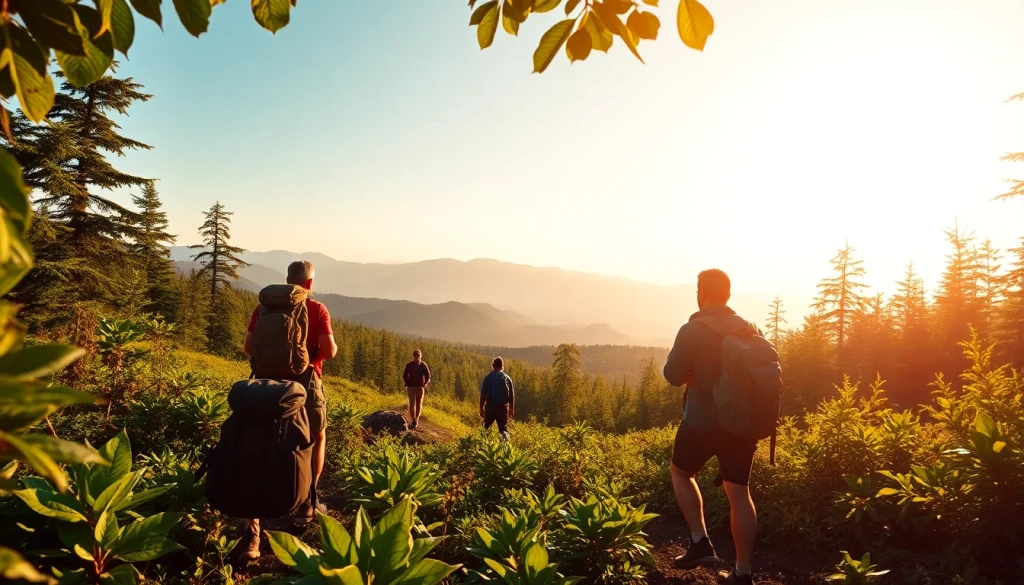
An expedition is much more than a vacation; it is a journey that often involves exploration, adventure, and discovery in various forms. When we think of an expedition, we often visualize brave adventurers conquering uncharted territories, but at its core, an expedition is characterized by its purpose and intent. It typically includes a group engaging in a specific mission, whether it be scientific research, cultural exploration, or adventure sports. Expeditions can range from large organized tours to small groups of enthusiasts setting out to explore lesser-known areas of the world.
Types of Expeditions Offered
Expeditions can be categorized into several types, each serving different interests and goals. Some common types include:
- Cultural Expeditions: These focus on experiencing and understanding different cultures, often involving interactions with local communities.
- Adventure Expeditions: This type appeals to thrill-seekers, often including activities like mountain climbing, scuba diving, and trekking.
- Scientific Expeditions: Aimed at exploration for research purposes, these expeditions often involve data collection, wildlife surveys, and archaeological digs.
- Eco-Expeditions: Focused on sustainability, these expeditions allow travelers to engage with and learn from nature, often involving conservation activities.
- Historical Expeditions: These journeys allow participants to delve into historical sites, often guided by experts in history or archaeology.
The Importance of Planning
Proper planning is the backbone of any successful expedition. It can determine not only the feasibility of the journey but also the safety and enjoyment of the participants. This begins with extensive research about the destination, weather conditions, required gear, and necessary permits. Incorporating a budget and timeline ensures all aspects are accounted for ahead of time. Ultimately, careful planning can enhance the overall experience and open doors to opportunities for discovery and engagement.
Getting Started: Essential Preparations for Your Expedition
Researching Destinations
Thorough research is pivotal in understanding what to expect on your expedition. Studying destination attributes such as geography, climate, political climate, and cultural practices helps in making informed choices. Tools like travel blogs, guidebooks, and forums can offer valuable insights.
Choosing the Right Gear
Your choice of equipment can greatly influence your expedition experience. Depending on the purpose of the expedition, you need to assemble an appropriate gear list. Key items might include clothing suited for weather conditions, camping equipment, navigation tools, and safety gear. Always prioritize quality and reliability over cost as your gear can be critical in challenging environments.
Creating Itineraries
An effective itinerary is a well-structured framework of your expedition’s activities, allowing for both planned experiences and spontaneous adventures. It should outline daily activities, travel arrangements, and rest periods. However, a flexible itinerary can enable adaptation to unexpected changes, adding excitement to your journey.
Safety Precautions for a Successful Expedition
First Aid Kits and Emergency Protocols
One of the cornerstones of safety during any expedition is the availability of a well-stocked first aid kit. Ensure it includes essentials like bandages, antiseptics, medications, and emergency medical guides. Additionally, understanding emergency protocols—if something were to go wrong—is crucial. Familiarize yourself with the area’s emergency contact numbers and local emergency services.
Travel Insurance: A Must
Obtaining travel insurance is a protective measure that everyone should consider before embarking on an expedition. Insurance can cover trip cancellations, medical expenses, and lost belongings, providing peace of mind. While some may view insurance as an added expense, it can save significant costs in the event of unforeseen circumstances.
Understanding Local Laws and Customs
Each destination comes with its own set of laws and cultural customs. Knowledge about these aspects not only aids in compliance but also fosters respect toward the local environment. Being aware of cultural norms can enhance interactions and help avoid potential conflicts, ensuring a more harmonious expedition.
Cultural Insights: Engaging with Local Communities
Respect and Cultural Sensitivity
Connection with local communities can significantly enrich your expedition experience. However, it is essential to approach these interactions with respect and cultural sensitivity. Understand the customs, beliefs, and practices of the people you meet. Being mindful can lead to meaningful dialogues and foster mutual respect.
Learning from Locals
One of the most rewarding aspects of any expedition is the opportunity to learn from locals. Often, they can provide insights that guidebooks cannot. Engaging with community leaders, artisans, or educators can open up dialogues about history, traditions, and contemporary life. This not only enhances your understanding but also empowers the local community.
Contributing to Local Economies
Instead of viewing your expedition as a simple transaction, consider how you can positively impact the local economy. This can be achieved by patronizing local markets, dining at local restaurants, and using local guides. Such actions ensure that the benefits of tourism extend beyond global corporations and help support and sustain local communities.
Capturing the Moment: Documenting Your Expedition
Photography Tips for Adventurers
Photography is a fantastic means of capturing your expedition memories. When taking photos, focus on storytelling by capturing emotions, landscapes, and interactions. Utilize natural lighting for the best results, and experiment with different angles and compositions. Remember to respect privacy when photographing people and always seek permission when necessary.
Writing Travel Journals
In addition to photography, maintaining a travel journal allows for deeper reflection on your experiences during the expedition. Write about daily activities, thought-provoking moments, and interactions with locals. A well-kept journal can offer unique insights and become a resource for future adventures.
Sharing Your Experience on Social Media
In today’s digital age, sharing experiences on platforms like Instagram, Facebook, or travel blogs can inspire others. Share not just stunning images but also the stories behind them. Use social media responsibly by being truthful and accurate in your representations, ensuring to highlight both positive experiences and challenges faced along the way.
With the right preparation and attitude, your next expedition can become an unforgettable journey filled with learning, adventure, and new friendships. Whether you are discovering new cultures or testing your limits in nature, this is where true adventure awaits. For more resources and information on planning your expedition, check out https://wpedition.com/.