
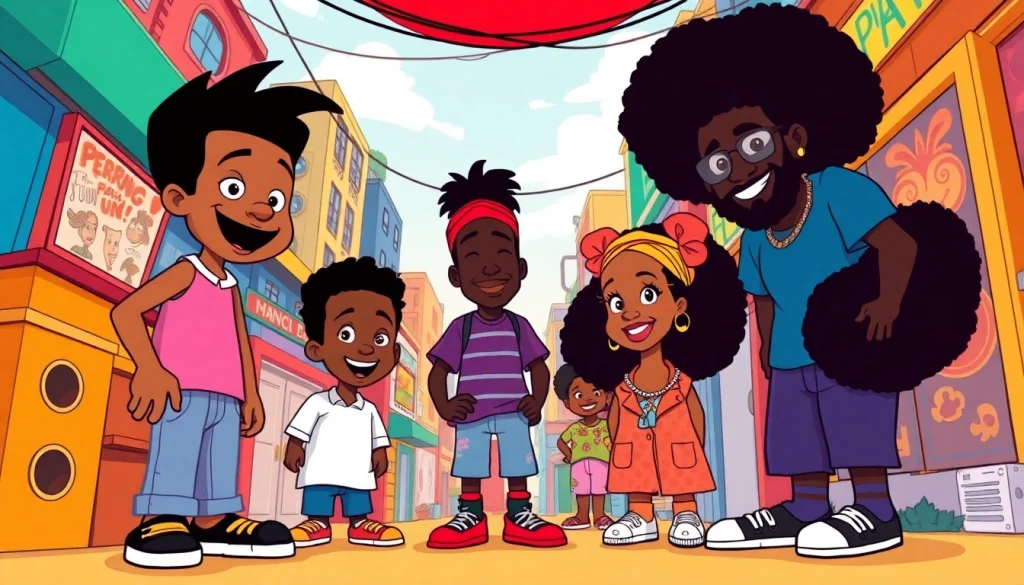
The Impact of African American Cartoons on Culture
Throughout the history of animation, African American cartoons have made significant contributions to popular culture, shaping narratives, humor, and representation. These animated features not only entertain but also serve as vital mediums for social commentary, celebrating the richness of Black culture and storytelling. As we dive into this exploration of African American Cartoons, we uncover their roles in reflecting societal issues and fostering community pride.
The Historical Significance of Representation
The representation of African Americans in animation has evolved tremendously from the early 20th century, when cartoons often resorted to harmful stereotypes. Characters were typically depicted in ways that perpetuated racial caricatures, leading to a long-standing demand for more authentic portrayals. As the civil rights movement gained momentum, cartoonists and animators began to push back against these tropes, introducing complex characters that better represented Black experiences and narratives. Shows like “Fat Albert and the Cosby Kids” and “The Boondocks” became pivotal in showcasing relatable characters and addressing important cultural themes.
Influential Shows that Shaped Generations
Several shows stand out as influential cornerstones in the history of African American cartoons. “The Proud Family,” which premiered in 2001, broke new ground by presenting a family dynamic centered around a young African American girl navigating adolescence. The series highlighted various issues including cultural pride and family values, resonating deeply with audiences. Similarly, “The Boondocks” utilized satire to explore race relations in America, making it a thought-provoking and often controversial series that ignited conversations within and outside the Black community.
How These Cartoons Reflect Social Issues
African American cartoons are more than just entertainment; they serve as a lens through which viewers can examine societal issues. For example, “The Boondocks” tackled subjects such as racial identity, cultural appropriation, and systemic inequalities. By using humor and powerful storytelling, these animations invite audiences to reflect on their societal contexts while providing a platform for dialogue. Furthermore, shows like “Daniel Tiger’s Neighborhood” integrate lessons on empathy and understanding, fostering inclusive values for young viewers.
Top African American Cartoons to Watch in 2026
As we look forward to 2026, numerous African American cartoons are capturing the attention of audiences, both young and old. The landscape is rich with content that not only entertains but also educates, making them essential viewing for families and animation enthusiasts.
Must-See Animated Series for All Ages
Among the must-see animated series are “Craig of the Creek,” which showcases the adventures of a group of children in a suburban neighborhood. This show emphasizes friendship and creativity while subtly addressing issues of diversity and community. Another standout is “Motown Magic,” which blends music with animation, inviting children to explore creativity through the lens of iconic Motown hits. Both series highlight the importance of representation, demonstrating diverse storytelling.
New Releases and Revivals Worth Discovering
2026 also brings exciting new releases and revivals. The return of “The Proud Family: Louder and Prouder” showcases a modern take on the beloved classic, addressing contemporary social issues while retaining the series’ heart and humor. Additionally, “Young Justice” continues to expand its universe by incorporating diverse characters and storylines, reflecting current societal themes while appealing to a broad audience.
Classic Favorites that Stand the Test of Time
While new content is emerging, classic favorites remain timeless. “Afro Samurai,” with its unique blend of anime and hip-hop culture, continues to captivate audiences with its stunning visuals and deep themes. Similarly, “Static Shock” resonates with fans for its relatable superhero narrative, addressing issues like bullying and social justice through the eyes of a young Black hero. These classics not only entertain but also serve as important cultural artifacts.
Behind the Scenes: Creators and Their Vision
The influence of African American cartoons extends from the screen to the creators behind them. These individuals often draw upon their own experiences and cultural histories to craft compelling narratives that resonate with audiences. The perspectives of Black animators and writers are crucial in shaping authentic storytelling in animation.
Notable African American Animators and Their Contributions
Notable figures like Ken “Bill” McFarlane and Bruce W. Smith have made significant contributions to the field. Smith, the creator of “The Proud Family,” has been instrumental in pushing for greater representation in animation, using his platform to advocate for diverse voices in the industry. Similarly, animators such as Matthew A. Cherry, who directed “Hair Love,” have gained recognition for their commitment to telling stories that reflect the African American experience.
The Process of Creating Culturally Relevant Content
The journey of creating culturally relevant animation involves extensive research and collaboration. Writers and animators often engage with cultural consultants to ensure authentic representation, drawing from lived experiences and historical contexts. This not only enriches the narratives but also honors the cultural identities being portrayed.
Challenges Faced in the Animation Industry
Despite the progress made, challenges persist in the animation industry, including the need for greater diversity behind the scenes and continued recognition of African American stories. Industry gatekeeping often hinders opportunities for Black creators, necessitating ongoing advocacy for equitable representation. Programs that support emerging talent are essential in fostering a more inclusive environment within animation.
Educational Value of African American Cartoons
Beyond entertainment, African American cartoons offer significant educational value. They serve as tools for teaching diversity, empathy, and cultural appreciation in classrooms and homes alike.
Teaching Diversity Through Animation
Animated series provide a platform for children to engage with diverse cultures. By showcasing characters from different backgrounds, these cartoons help cultivate understanding and acceptance from a young age. Shows like “Doc McStuffins” promote themes of kindness and cooperation, reinforcing the importance of compassion and community.
Engaging Young Audiences with Cultural Content
Engagement with cultural content fosters connections among young audiences. Animated shows that incorporate music, history, and storytelling encourage curiosity about different cultures and backgrounds. Series such as “Funky Phantom” and “Bino and Fino” blend entertainment with educational elements, creating a rich viewing experience.
Utilizing Cartoons in Educational Settings
Educators are increasingly recognizing the power of cartoons in teaching. By incorporating African American cartoons into their curricula, teachers can address complex topics while engaging students in a relatable way. For instance, using episodes from “The Proud Family” can lead to discussions on race, family dynamics, and cultural pride, providing a more holistic educational experience.
The Future of African American Cartoons
The landscape for African American cartoons is evolving, shaped by technological advancements and the changing dynamics of content consumption. As we look ahead, we can anticipate an exciting future filled with innovation and diversity.
Emerging Trends in Animation for 2026 and Beyond
In 2026 and beyond, the animation industry is likely to see greater emphasis on storytelling that highlights multicultural experiences. New technologies, such as augmented and virtual reality, may offer innovative ways for audiences to engage with these stories, pushing the boundaries of traditional animation. Additionally, the integration of interactive elements into shows will allow viewers to explore narratives in more immersive ways.
The Role of Streaming Services in Promoting Diversity
Streaming services are playing a crucial role in promoting diverse content, providing platforms for underrepresented voices. With the rise of platforms dedicated to niche content, like African American Cartoons, audiences can discover shows that resonate with their experiences and cultural backgrounds, thus fostering a richer viewing landscape.
How Technology is Shaping Animated Content
Technology continues to reshape animation, from production techniques to distribution methods. Advances in animation software and tools allow creators to bring their visions to life with unprecedented ease. Simultaneously, the rise of social media platforms provides animators opportunities to share their work and connect with audiences directly, encouraging grassroots movements and community building around animated content.