Fishscale Cocaine: A Research Perspective on Street Terminology
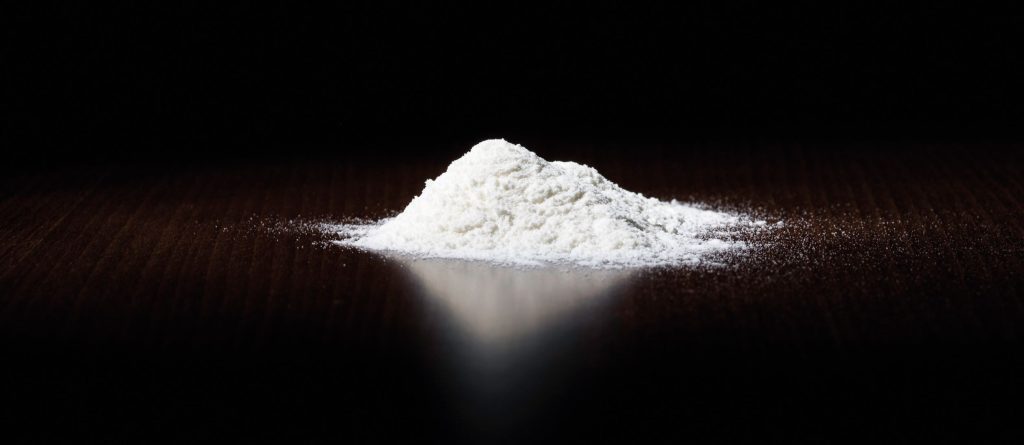
Fishscale cocaine is a term often used in street culture to describe a highly pure and potent form of cocaine with a distinctive shiny, flaky appearance. Fishscale cocaine is frequently discussed in law enforcement reports, sociological studies, and public health research because its high purity sets it apart from other forms of cocaine commonly found on the streets. Fishscale cocaine has gained attention not only for its physical characteristics but also for the social and economic dynamics surrounding its distribution. Understanding the scientific and cultural dimensions of Fishscale cocaine helps researchers, policymakers, and the public distinguish between street terminology and pharmacological reality.
Chemical Composition and Purity
Fishscale cocaine is primarily composed of cocaine hydrochloride, a potent central nervous system stimulant derived from the coca plant. Unlike typical street cocaine, which is often adulterated with fillers such as baking soda, lidocaine, or sugars, fishscale cocaine generally contains a higher percentage of pure cocaine molecules. Laboratory analyses confirm that this high purity contributes to both its intense psychoactive effects and its increased risk of overdose. From a research perspective, the term “fishscale” is used more as a descriptor of appearance and perceived quality rather than as a formal classification of cocaine. Nonetheless, its chemical composition is central to understanding why users and dealers attribute value to it in street markets.
Physiological and Psychological Effects
The physiological impact of fishscale cocaine is consistent with other forms of cocaine but intensified due to its potency. Short-term effects include increased heart rate, elevated blood pressure, pupil dilation, heightened alertness, and euphoria. Prolonged or repeated use can lead to severe complications such as heart attacks, strokes, and neurological impairments. Psychologically, fishscale cocaine can cause anxiety, paranoia, and hallucinations. Research indicates that even occasional use of high-purity cocaine can result in long-term cognitive deficits and dependency. Scientific studies emphasize that the perceived “quality” of fishscale cocaine does not translate to safer usage; rather, it increases the likelihood of acute medical emergencies.
Street Terminology and Sociocultural Factors
The term fishscale cocaine has become embedded in street vernacular, reflecting social perceptions of purity, potency, and status among users. Dealers often market fishscale cocaine as superior to lower-grade powders, and users may associate it with higher social credibility or prestige. From a research perspective, understanding such terminology is important because it provides insight into behavioral patterns, risk perception, and the economics of illicit drug markets. Researchers studying street language note that terms like fishscale cocaine serve as informal indicators of quality and market value but do not imply standardized purity or safety.
Perceived Benefits and Risks
Some individuals report perceived benefits from using fishscale cocaine, including temporary energy boosts, enhanced sociability, and reduced fatigue. These short-term effects are often highlighted in discussions about Fishscale Cocaine Online, where users seek rapid psychoactive effects. However, these perceived benefits are highly misleading. Scientific evidence shows that the health risks—including cardiovascular strain, neurological damage, and potential for addiction—far outweigh any temporary advantages. While fishscale cocaine may produce intense euphoria or alertness, repeated use can escalate tolerance and dependence, leading to more dangerous patterns of consumption.
Fishscale Cocaine Online
The digital era has introduced new channels for the distribution of fishscale cocaine. Fishscale Cocaine Online is increasingly available through encrypted platforms and darknet marketplaces, raising both legal and health concerns. A common misconception is that online purchases guarantee authenticity or purity. In reality, online substances may be counterfeit, adulterated, or mislabeled, heightening the risk of overdose. Research indicates that the availability of fishscale cocaine online complicates harm reduction efforts and challenges law enforcement monitoring. Public health campaigns stress that there is no safe method to acquire or consume fishscale cocaine, whether in person or online.
FAQs About Fishscale Cocaine
Q: What is fishscale cocaine?
A: Fishscale cocaine is a highly pure, potent form of cocaine with a shiny, flaky appearance, often described in street terminology as “high quality.”
Q: How does fishscale cocaine differ from regular cocaine?
A: It is typically higher in purity and potency, which increases the intensity of its effects and the risk of overdose.
Q: Can fishscale cocaine be detected in standard drug tests?
A: Yes, urine, blood, and hair tests can detect cocaine use, including fishscale cocaine, because the chemical structure is the same as other forms of cocaine.
Q: Are there any safe ways to use fishscale cocaine?
A: No, there is no safe method for consumption. Even small amounts carry significant health risks.
Conclusion
From a research perspective, fishscale cocaine represents both a pharmacological and sociocultural phenomenon. Its high purity, intense effects, and status in street terminology contribute to its notoriety and appeal, but they also increase the dangers associated with its use. Scientific studies confirm that while users may perceive temporary benefits such as energy and euphoria, these effects are fleeting and come with serious cardiovascular, neurological, and psychological risks. The emergence of Fishscale Cocaine Online further complicates public health and safety efforts, emphasizing the importance of education, awareness, and evidence-based intervention strategies. Understanding fishscale cocaine requires examining both its chemical properties and the social narratives that surround it.