
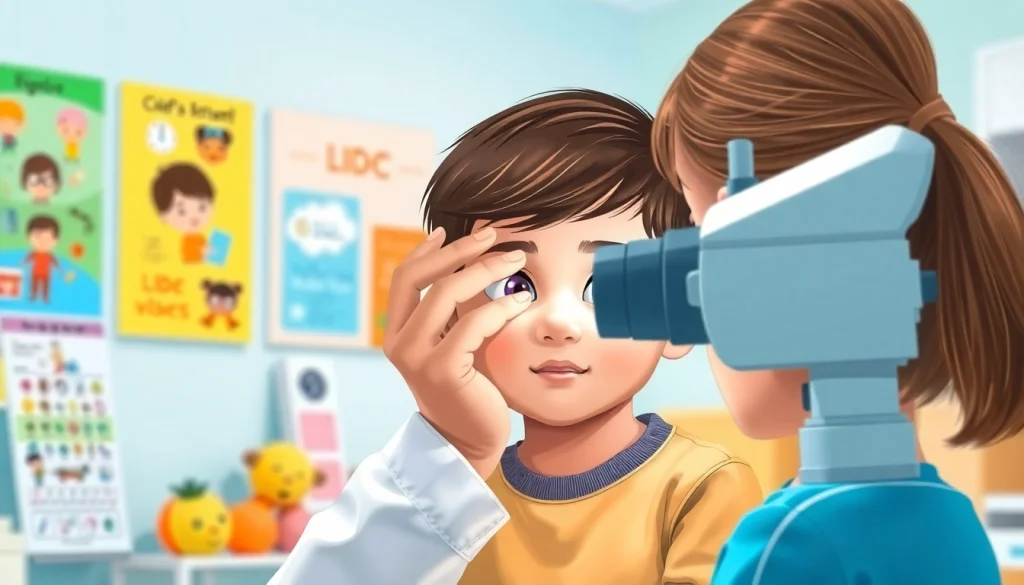
Understanding the Importance of Eye Health in Childhood
Eye health is a vital aspect of child development that is all too often overlooked. Vision is critical not just for seeing but also for learning, social interaction, and overall physical development. Unfortunately, millions of our children face undiagnosed vision problems that can impact their educational outcomes and quality of life. Initiatives like Our Children’s Vision aim to highlight the importance of this issue and ensure that children receive the eye care they need.
The Role of Vision in Child Development
Vision is foundational for a child’s cognitive development. Good eyesight allows children to observe their surroundings, interact effectively with others, and participate in various learning activities. From recognizing letters in a book to tracking moving objects on a playground, visual skills are intrinsic to everyday experiences. Problems with vision can hinder these activities, leading to challenges in education and social settings. Studies suggest that children who experience vision difficulties might show delays in academic performance and socialization, further emphasizing the need for regular eye care and screening.
Common Vision Problems in Children
There are several prevalent vision problems that commonly occur in children, including but not limited to:
- Refractive Errors: Conditions like myopia (nearsightedness), hyperopia (farsightedness), and astigmatism are the most common issues. These conditions can usually be corrected with glasses or contact lenses.
- Amblyopia: Often referred to as “lazy eye,” this condition occurs when the brain does not fully acknowledge the input from one eye, leading to a decrease in vision in that eye.
- Strabismus: Misalignment of the eyes can lead to difficulties in depth perception and visual coordination, often requiring therapeutic interventions or surgery.
- Color Blindness: This genetic condition affects how colors are perceived, though most children adapt well and learn to navigate their environments effectively.
Each of these issues can be detected with routine eye examinations, emphasizing the critical role of preventative eye health measures.
The Impact of Untreated Vision Issues
The effects of untreated vision problems extend beyond mere inconvenience. They can pose significant barriers to learning and social development. Children who struggle with their vision may experience difficulties in reading, writing, and participating in physical activities, leading to increased frustration and lower self-esteem. In school settings, these challenges can translate into lower academic performance and reduced engagement in classroom activities. Furthermore, untreated eye conditions can sometimes lead to lifelong impairments, particularly if conditions like amblyopia go unaddressed during crucial development years.
Accessing Eye Care Through Our Children’s Vision Initiatives
To combat these alarming trends, initiatives such as Our Children’s Vision have been established to provide essential eye care services to children at risk. These programs are designed to enhance access to necessary eye examinations, treatments, and resources, thereby fostering better visual health among children globally.
Key Programs and Services Offered
Our Children’s Vision has launched several key programs aimed at addressing the gaps in pediatric eye care. These initiatives include:
- Free Vision Screenings: Conducting free eye exams in schools and community centers to ensure that every child has the opportunity to receive necessary eye care.
- Educational Outreach: Offering resources and training to parents and educators about recognizing potential vision problems and the importance of regular eye assessments.
- Partnerships with Local Health Services: Collaborating with local health providers to streamline access to comprehensive eye care services, including surgeries if necessary.
These programs are critical in raising awareness and ensuring that children receive timely interventions for their eye health needs.
Partner Organizations Supporting Child Eye Health
Collaboration is at the heart of the Our Children’s Vision initiative. Partner organizations play a pivotal role in enhancing access to eye care. These may include non-profits focused on child health, educational institutions, and healthcare providers who share a commitment to improving children’s well-being. Through community engagement and support, these partnerships not only provide resources but also amplify advocacy efforts for child eye health policies.
How to Get Involved and Advocate
Parents, educators, and community members can play a fundamental role in promoting children’s vision health. Here are some actionable steps one can take:
- Advocate for Vision Screenings: Encourage local schools to integrate vision screening into regular health check-ups.
- Spread Awareness: Utilize social media platforms and community events to raise awareness about the importance of eye health for children.
- Volunteer: Get involved with local health organizations that focus on providing eye care services to children.
Every effort counts. Joining forces in advocacy and support can lead to significant advancements in ensuring healthier vision for the younger generation.
Preventive Measures for Better Children’s Vision
Preventive measures are essential in safeguarding children’s vision. Early intervention and regular eye examinations can significantly mitigate the long-term impacts of vision problems. Parents and caregivers play a key role in fostering healthy eye habits and ensuring that children receive timely care.
Routine Eye Exams: What to Expect
Routine eye exams are critical for identifying potential vision problems early. These exams usually include several components:
- Visual Acuity Tests: Assessing how well a child can see at different distances.
- Eye Alignment Tests: Checking whether the eyes work together and are aligned properly.
- Refraction Tests: Identifying the need for corrective lenses through various methods.
For younger children, visual assessments might involve more interactive approaches, such as matching letters or pictures, to identify any difficulties in vision accurately.
Screening Techniques for Early Detection
Various screening techniques can aid in the early detection of vision issues among children. Common methods include:
- Photoscreening: This technique uses a camera to quickly assess children’s vision and can be performed at schools or community health events.
- Visual Acuity Tests at Schools: Many schools offer basic vision screenings that can help identify children who may need further evaluations.
- Behavioral Indicators: Parents and educators should be aware of signs like squinting, rubbing the eyes, or avoiding reading and writing tasks.
Implementing these screenings can lead to earlier diagnoses and interventions, ultimately benefiting children’s development.
Encouraging Eye-Friendly Habits at Home
Creating a conducive environment for good eye health at home is paramount. Parents can encourage eye-friendly habits by:
- Limiting Screen Time: Setting limits on the use of electronic devices helps reduce eye strain.
- Promoting the 20-20-20 Rule: Encouraging children to look at something 20 feet away for at least 20 seconds after every 20 minutes of screen time.
- Ensuring Proper Lighting: Providing adequate lighting during reading or homework can help reduce eye strain.
- Healthy Diet: Encouraging a diet rich in fruits, vegetables, and omega-3 fatty acids has shown benefits for eye health.
These small changes can lead to significant improvements in children’s eye health over time.
Supporting Research and Development in Pediatric Eye Care
Research plays a critical role in the advancement of pediatric eye care. Continuous investment in studies and innovative treatments is essential to keep pace with emerging challenges in children’s vision health.
Innovative Treatments and Technologies
Recent advancements in technology and treatment options have the potential to revolutionize pediatric eye care. Some innovations include:
- Gene Therapy: Emerging therapies are being developed to address genetic conditions leading to vision loss, offering hope for children with incurable conditions.
- 3D Imaging: Advanced imaging technologies allow for better diagnosis and treatment planning for complex eye conditions.
- Smart Glasses: These devices are being designed to assist children with visual impairments by providing audio descriptions of their surroundings.
The landscape of pediatric eye care is changing rapidly, and ongoing research is critical to understanding how to implement these innovations effectively.
How Research Shapes the Future of Eye Health
Research not only informs the development of new treatments but also shapes policy decisions related to eye care accessibility and health education. Studies focusing on the long-term effects of untreated vision problems lead to better advocacy and funding for necessary resources. Collaborative research efforts that combine expertise from various fields—such as optometry, education, and social science—create a more holistic approach to addressing children’s eye health needs.
The Importance of Funding and Support
Funding is vital to the ongoing efforts in pediatric eye health research. Support from governmental and non-governmental organizations allows for the exploration of innovative solutions and the dissemination of knowledge about eye health. Community-based funding initiatives can also play a role in ensuring that local resources are channeled towards accessible eye health services for children.
Real-Life Stories from Our Children’s Vision Campaign
Perhaps the most powerful testament to the importance of initiatives like Our Children’s Vision are the real-life stories of children whose lives have been transformed through accessible eye care.
Successful Case Studies and Testimonials
Numerous testimonials demonstrate the impact of timely vision care. For instance:
- A child diagnosed with amblyopia was able to improve their vision significantly after receiving eye patches and regular follow-up examinations.
- Communities implementing free vision screenings resulted in a noticeable rise in children receiving necessary corrective eyewear—children previously struggling in school due to unaddressed vision issues showed improved academic performance.
These cases underline the profound difference that proper eye care can make in a child’s life.
Highlighting Global Impact and Outreach
Our Children’s Vision initiative reaches children across various socio-economic landscapes, ensuring that resources are available where they are most needed. Global outreach programs have launched successful campaigns in underserved areas, providing both education on eye health and access to treatments. The impact of these outreach efforts is tangible, illustrating a commitment to a future where all children have access to essential vision care.
Continued Challenges and Future Directions
While significant strides have been made, challenges remain in addressing pediatric eye health comprehensively. These include persistent inequality in access to eye care based on socio-economic status and geographic location. Moving forward, it is essential that initiatives like Our Children’s Vision continue advocating for policies that support equity in health care access, further research into innovative treatments, and educational outreach that empowers communities to prioritize eye health in children. Only through sustained efforts and community involvement can we hope to ensure that every child has the opportunity for a lifetime of healthy vision.