
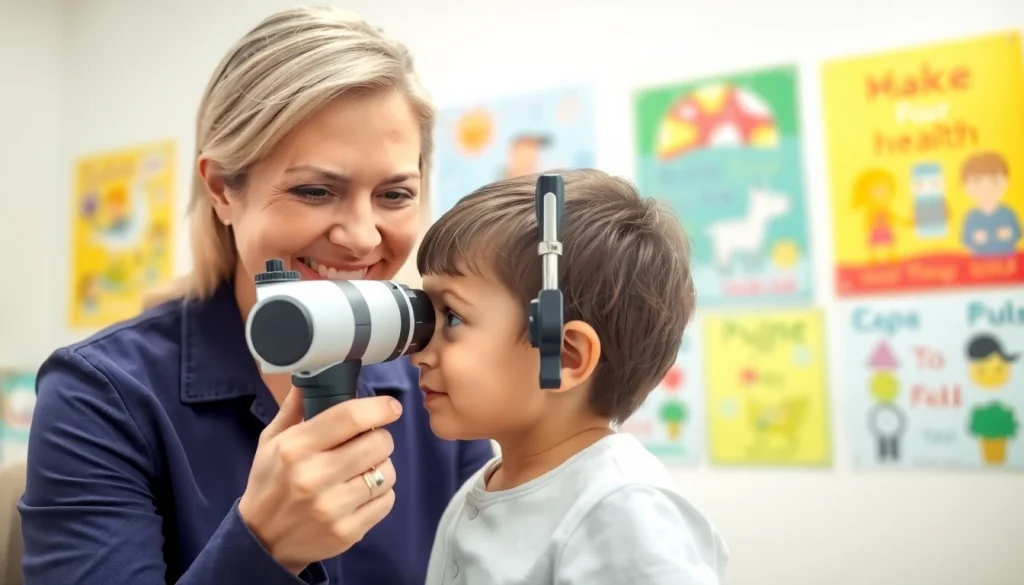
Understanding the Importance of Our Children’s Vision
The vision of children is essential not only for their education and development but for their overall well-being and quality of life. As we explore the concept of Our Children’s Vision, it is vital to recognize that ensuring the eye health of our younger generations is a pressing global need. This article delves into the significance of children’s eye health, the challenges many face in accessing care, and effective initiatives aimed at addressing these issues.
What is Our Children’s Vision?
Our Children’s Vision is an initiative committed to advocating for and ensuring access to essential eye health services for children across the globe. This campaign recognizes that millions of children suffer from vision impairment due to lack of proper eye care, and it aims to unite various stakeholders—including governments, health organizations, and communities—to prioritize and act on this critical issue.
Why Children’s Eye Health Matters
Eye health is foundational to a child’s ability to learn and interact with their environment. Children with untreated vision problems are more likely to struggle academically and socially. Vision impairments can adversely affect their motor skills, communication, and emotional health, leading to a cascading effect on their development. Ensuring children have access to regular eye examinations and necessary treatments is not merely a health issue; it is a matter of social justice and equality for all children.
Challenges in Accessing Eye Care
Despite the clear need for effective eye care, numerous barriers impede access to these essential services. Some of the most common challenges include:
- Geographic Barriers: Many rural and underserved areas lack adequate medical facilities or trained eye care professionals, making it difficult for families to obtain necessary evaluations and treatments.
- Lack of Awareness: Parents may not recognize the importance of regular eye screenings or be unaware of the signs of vision problems, which can lead to fatalities in early diagnosis.
- Financial Constraints: The cost of eye care can be prohibitive for families, particularly those living in low-income communities, where healthcare resources are scarce.
- Limited Policy Support: In many regions, there is insufficient governmental support and funding dedicated to children’s eye health initiatives, leaving many children without access to necessary services.
Key Initiatives Under Our Children’s Vision
The Our Children’s Vision initiative encompasses a wide range of approaches and strategies aimed at overcoming the barriers to eye care for children. These key initiatives include:
Global Partnerships and Collaborations
A core component of Our Children’s Vision is building collaborative networks that bring together various stakeholders involved in child health. By forming partnerships with governmental bodies, non-governmental organizations, educational institutions, and the private sector, this initiative expands the reach and improves the efficacy of eye care interventions.
Collaborations help leverage resources, share knowledge, and implement best practices across different regions, facilitating innovative solutions that can be tailored to local needs.
Community Engagement and Awareness Programs
Raising awareness about the importance of eye health in children is crucial for encouraging parental involvement and increasing screening rates. Through community engagement initiatives, Our Children’s Vision focuses on educating families and communities about eye health, vision disorders, and the significance of early detection. Programs may include:
- Organizing community workshops and seminars on eye health.
- Creating educational materials for distribution in schools and clinics.
- Hosting vision screening events in collaboration with local health care providers.
Research and Innovation in Eye Health
Ongoing research and innovation are vital to advancing our understanding of children’s eye health. Our Children’s Vision promotes studies that analyze the effectiveness of existing treatments and interventions, paving the way for new and improved solutions. Key areas of focus include:
- Identifying risk factors that contribute to vision impairments in children.
- Developing technology-driven tools for better screening and diagnostics.
- Evaluating the impact of various intervention strategies on children’s vision health.
Best Practices for Promoting Eye Health in Children
To effectively promote and ensure eye health in children, specific best practices should be adopted. These practices can be implemented by parents, educators, and health professionals alike.
Regular Vision Screening Recommendations
Regular vision screening is a key aspect of maintaining children’s eye health. Experts recommend that children receive comprehensive eye exams at particular ages, especially before starting school, as early detection leads to more effective treatments. The recommended schedule typically includes:
- First eye exam between 6 months and 1 year of age.
- Second eye exam at age 3.
- Subsequent exams before they enter school and every 1-2 years thereafter.
Creating Supportive Environments at Home and School
Creating environments that support good vision health is critical. Parents and educators should:
- Encourage children to take breaks from screens and provide opportunities for outdoor activities.
- Ensure proper lighting in workspaces, reducing eye strain during reading and writing tasks.
- Educate children about the importance of eye care and healthy habits, such as balanced diets rich in vitamins A, C, and E.
Advocating for Better Policies
Advocacy plays a significant role in improving access to eye care services. Community members can engage in the following activities:
- Lobbying for increased funding for children’s eye health programs at local and national levels.
- Partnering with local health departments to raise awareness about eye health issues.
- Promoting the integration of vision health services within existing health programs.
Success Stories and Impact of Our Children’s Vision
The impact of the Our Children’s Vision initiative can be seen through numerous success stories, highlighting improved access to eye care and enhanced health outcomes for children globally.
Case Studies of Successful Interventions
Numerous interventions across different countries have yielded positive results. For instance, in one community, an organized effort that included free vision screenings and outreach education significantly increased awareness among parents about the importance of eye health. As a direct result, the number of children receiving eye exams doubled within a year.
In another example, integration of vision screenings into school health programs led to early detection and treatment of conditions like amblyopia in previously undiagnosed children, resulting in substantial improvements in their academic performance.
Statistics on Improved Eye Health Access
Data from recent initiatives indicate a promising trend toward improved access to eye care for children. For instance, regions that have implemented Our Children’s Vision initiatives report upwards of 30% improvement in screening rates and a 20% decline in cases of preventable vision impairment among children within just a few years.
Personal Testimonials from Beneficiaries
Testimonials from parents whose children have benefitted from improved access to eye health care elucidate the real-world impact of these initiatives. One parent shared how their child, after receiving timely intervention for a vision issue, not only improved academically but also regained confidence in social interactions. These stories echo the importance of the work being done through Our Children’s Vision.
How You Can Get Involved with Our Children’s Vision
Individuals looking to make a difference in children’s eye health can take several practical steps to support and advocate for the Our Children’s Vision initiative and its goals.
Ways to Support and Advocate
Supporting children’s eye health can be done at various levels. Engage with local organizations to create awareness, participate in fundraising events, or start online campaigns that highlight the importance of regular vision care.
Volunteering Opportunities in Local Communities
Volunteering is a powerful way to contribute. Many non-profit organizations involved in Our Children’s Vision rely on volunteers for health screenings, community education, and administrative support. Even small contributions can lead to significant outcomes in children’s lives.
Educational Resources for Parents and Caregivers
Parents and caregivers can utilize educational resources made available by health organizations to better understand how to care for their children’s vision. Resources might include guidelines for recognizing vision issues, information on preventative measures, and details on local eye care services. These resources empower families to take proactive steps in ensuring their children’s eye health.