
Introduction to the Thrift Store Experience
Understanding Thrift Stores
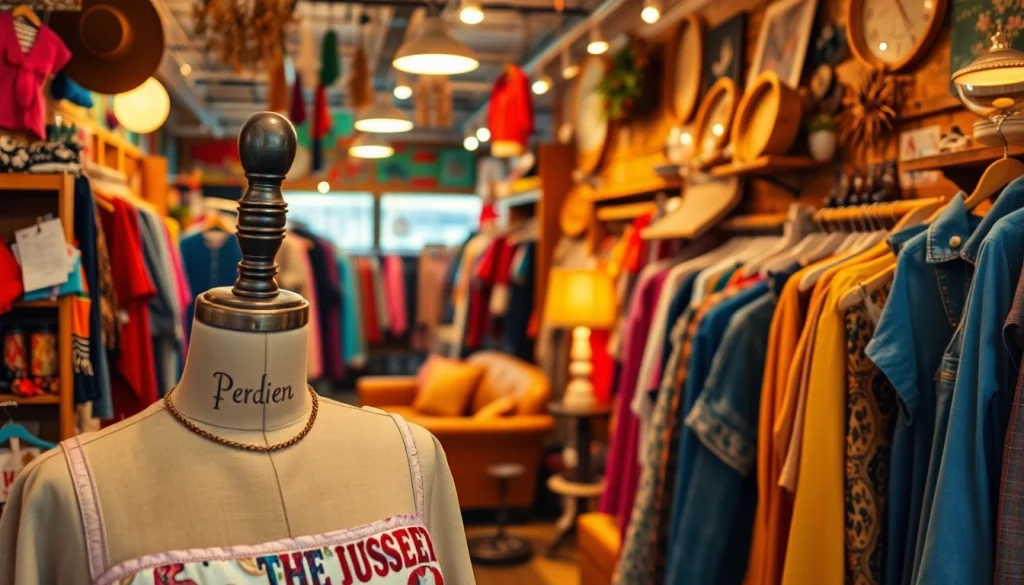
Thrift stores are unique retail spaces where consumers can purchase second-hand items at a fraction of their original cost. These shops operate principally on donated goods, which can range from clothing and accessories to furniture and household items. A key aspect of the thrift store experience is the thrill of finding unexpected treasures, often reflecting local charm and character. Each visit can feel like a small adventure, providing both unique finds and an opportunity to practice sustainable shopping.
Benefits of Thrift Shopping
Thrift shopping comes with numerous advantages that go beyond mere cost savings. First, it’s an opportunity to support local charities or community services, as many thrift stores operate as nonprofit organizations. Second, buying second-hand reduces waste, contributing to environmental sustainability. Additionally, shoppers can discover rare vintage items, which add uniqueness to their wardrobe or home decor. Lastly, thrift shopping promotes creativity and individuality, allowing consumers to express their personal style through unique pieces that are often not found in mainstream retail.
How to Get Started
Embarking on your thrift store journey can be exciting yet daunting. Start by researching thrift stores in your area; many cities boast a variety of options, including specialty vintage shops and larger charity stores. Set a budget to avoid overspending, and consider making a list of items you’re looking for to help you stay focused during your exploration. Wear comfortable clothing and shoes, as thrift shopping often requires some digging. Most importantly, approach each visit with an open mind, as the best finds often come when you least expect them.
Finding the Best Deals and Unique Items
Strategies for Shopping
To maximize your thrift store experience, employ practical shopping strategies. Visit frequently; inventory changes regularly, and the best items can be snatched up quickly. You might also want to shop during weekdays for less crowded experiences when employees can devote more time to assisting you. Don’t shy away from exploring different sections of the store; sometimes, the most unique finds lie in unexpected places. Building relationships with store staff can also be beneficial, as they may give you tips on when new donations arrive or which items are worth grabbing.
Seasonal Trends to Watch For
Just like traditional retail, thrift stores see seasonal trends that can help maximize your finds. In the spring, look for lighter fabrics and floral patterns, while autumn brings a surge of cozy sweaters and fall colors. Holidays also inspire themed items, from Halloween costumes to Christmas decorations. Pay attention to these trends; it can significantly enhance your chances of finding trendy pieces without breaking the bank.
Common Mistakes to Avoid
While thrift shopping is often a fulfilling experience, pitfalls exist. One of the most common mistakes is failing to try items on or check for flaws. Always inspect clothes for tears, stains, or broken zippers, as these can save you from regret later. Another mistake is overlooking the potential of an item; sometimes an unattractive piece can be upcycled to something magnificent, so maintain a creative perspective. Finally, avoid impulse buys; stick to your list and budget to ensure a positive shopping experience.
Evaluating Quality in Thrifted Items
Understanding Fabric and Material
Understanding fabric types can make a significant difference in your thrift store finds. Natural fibers like cotton and wool typically offer better longevity and comfort than synthetic options. Check clothing tags where available; this simple act can guide you toward more durable options. Developed skills like identifying quality leather or evaluating fabric weight can enhance your shopping experience and investment.
Signs of Worn-Out Items
Before making a purchase, evaluate the condition of each item. Look for frayed edges, discoloration, and loose stitching on clothes. For housewares, inspect for chips, cracks, or dulled surfaces. Understanding signs of wear can help you avoid a bad buy and guide you toward items that will last. If an item shows considerable wear, consider negotiating price or simply passing on it altogether.
Knowing What to Look For
Identifying valuable thrift store finds requires knowing what to look for. Keep an eye out for brand names associated with quality, items that resonate with vintage aesthetics, or unique designs that stand the test of time. Look for well-made shoes and bags, which can often be rejuvenated with some care. By learning about popular styles or trends from past decades, you can identify pieces that enhance your wardrobe or home while offering potential resale profits.
Upcycling and Repurposing Thrifted Finds
Creative Ideas for Upcycling
Upcycling thrifted items is a fantastic way to personalize your space while minimizing waste. Consider transforming old furniture with a fresh coat of paint or new upholstery. Picture frames can take on new life with a coat of gold spray paint or by adding a unique collage. Additionally, clothes can be tailored, dyed, or reconstructed into entirely new garments, beckoning a sustainable approach to fashion.
DIY Projects with Vintage Pieces
If you’re savvy with tools or possess a knack for crafts, DIY projects with thrifted items can become rewarding hobbies. Old trunks can be refurbished into stylish coffee tables, while vintage glassware can be made into candle holders or light fixtures. Online platforms like Pinterest provide endless inspiration for DIY projects, and many communities host workshops for hands-on learning experiences. Whether it’s a practical project or a decorative piece, let your creativity flow.
How to Resell Thrifted Items
Reselling thrifted items is an alternative way to profit from your finds. Start by researching the value of similar items online to set competitive prices. Utilize social media marketplaces or dedicated resale platforms to reach potential buyers effectively. Make sure to take high-quality photos and write engaging descriptions that highlight an item’s unique features. Over time, as you build your experience, you’ll learn which items are likely to sell well, helping you refine your buying strategy.
Frequently Asked Questions About Thrift Stores
What items are commonly found at thrift stores?
Thrift stores typically feature a wide range of items including clothing, shoes, accessories, home decor, books, and electronics. You can often find unique vintage items or small furniture pieces as well.
How do I ensure I’m not buying damaged goods?
Inspect items thoroughly for signs of wear or damage, such as stains, tears, or cracks. Trying on clothing and checking functionality can help ensure a solid purchase.
Is it better to shop in-person or online?
In-person thrifting offers the tactile experience of inspecting items directly. Online thrift shopping provides convenience and a broader selection but can be less immersive and require more patience.
How can I find the best thrift stores in my area?
Search online for local thrift stores, check community bulletin boards, or seek recommendations through social media groups dedicated to thrifting or sustainable shopping.
What should I wear when thrift shopping?
Wear comfortable clothing and shoes, as you may spend a considerable amount of time on your feet and moving between different sections. Dressing in layers can also help adjust to changing temperatures in stores.