
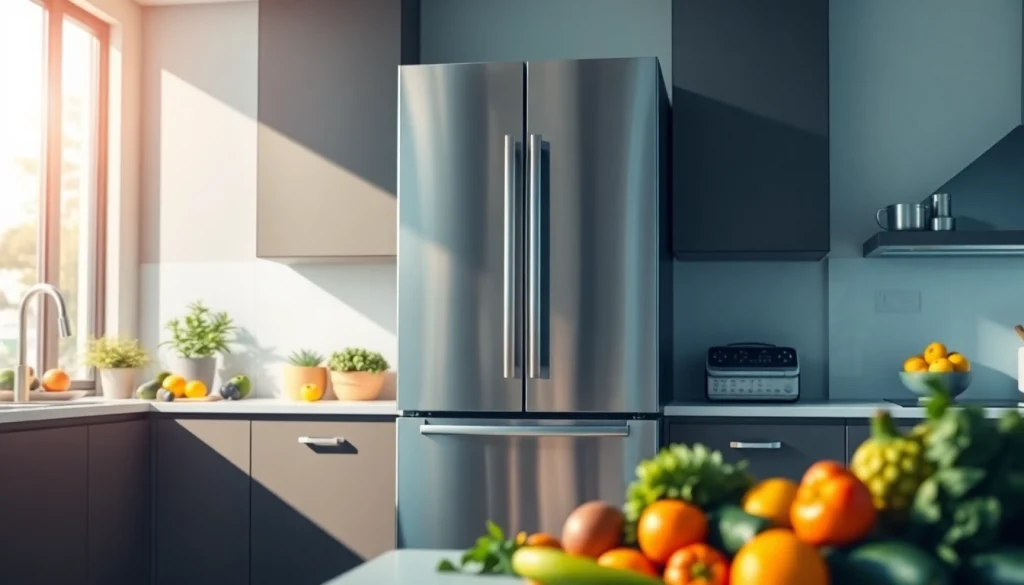
Understanding the Importance of a Quality Refrigerator
A refrigerator is an essential appliance in any kitchen, serving as a crucial element for preserving food, maintaining freshness, and ensuring health. The right Refrigerator can enhance your culinary experience while optimizing energy use. As we delve deeper, we will explore why investing in a premium refrigerator is worthwhile, what features to consider, and how energy efficiency plays a pivotal role in modern-day living.
Why Invest in a Premium Refrigerator?
Investing in a premium refrigerator elevates your kitchen experience significantly. Premium models often feature advanced cooling technologies that ensure even temperature distribution, which is vital for food preservation. These refrigerators typically come equipped with better insulation, ensuring that they maintain consistent temperatures regardless of external conditions. Beyond functionality, a high-quality refrigerator might also positively impact your energy bills over time by reducing energy consumption.
Key Features to Look For
When selecting a refrigerator, consider the following key features:
- Adjustable Shelving: Customizable shelving can accommodate varying food sizes and makes organization easier.
- Temperature Controls: Digital controls allow for precise temperature settings tailored to different food types.
- Icemakers and Water Dispensers: These convenient additions minimize the need for manual ice-making and ensure easy access to chilled water.
- Smart Technology: Models with smart features can notify you of temperature changes, allow remote monitoring, and even support food management apps.
The Role of Energy Efficiency
Energy efficiency should be a significant consideration when choosing a refrigerator. Models with higher Energy Star ratings consume less electricity, which not only reduces your monthly utility bills but also lessens your environmental footprint. Advanced compressor technology and better insulation materials enhance energy savings. Over time, the initial investment in an energy-efficient refrigerator can yield substantial savings, making it a smart choice for conscious consumers.
Types of Refrigerators and Their Benefits
The market offers a wide variety of refrigerator types, each catering to specific needs and preferences. Understanding the differences between them can help you make an informed decision.
Top-Freezer vs. Bottom-Freezer Refrigerators
Top-freezer refrigerators have been a classic choice for years. They are typically more affordable and offer more space for frozen items at eye level. Living spaces with lower ceilings might benefit from this design. Conversely, bottom-freezer models provide easier access to fresh foods, which you reach more frequently. This design can be beneficial for families who consume more fresh produce.
French Door Refrigerators: Pros and Cons
French door refrigerators combine a spacious top section for fresh food with a separate freezer drawer below. The modern design and wide shelves make it easy to organize groceries. However, they tend to come at a higher price point and may consume more energy than simpler designs. The aesthetic appeal and functionality make it a favorite among homeowners who prioritize style and efficiency.
Compact Refrigerators for Small Spaces
Compact refrigerators are perfect for small kitchens, dorm rooms, or office spaces. They provide essential cooling without taking up too much room. These models can be energy-efficient and are available in various designs, making them versatile. However, limited capacity may not meet the needs of larger households but are ideal for single users or couples.
Maintenance Tips for Longevity of Your Refrigerator
Proper maintenance is essential for ensuring your refrigerator runs efficiently and lasts as long as possible. Here are some tips to keep your refrigerator in excellent condition.
Regular Cleaning and Care
Cleaning your refrigerator both inside and out is key to its longevity. Use mild soap and water to clean shelves and bins, and make sure to defrost the freezer if it accumulates too much ice. Additionally, regularly vacuum the condenser coils to prevent dust build-up, which can lead to overheating and increased energy consumption.
Importance of Temperature Settings
Maintaining the optimal temperature is crucial for food safety and energy efficiency. The ideal refrigerator temperature is around 37°F (3°C) while freezers should be set at 0°F (-18°C). Use a thermometer to check the accuracy of your settings, adjusting as necessary to maintain freshness.
Troubleshooting Common Issues
Familiarize yourself with common refrigerator issues such as insufficient cooling, unusual noises, or water leakage. Most problems can be resolved by checking the temperature settings, ensuring proper airflow, or examining seals for wear and tear. Prompt attention to these issues can prevent larger expenses down the line.
Enhancing Kitchen Aesthetics with Your Refrigerator
Your refrigerator is a substantial part of your kitchen’s aesthetic. Understanding how to integrate this appliance seamlessly into your cook space can enhance its overall look.
Integrating with Your Kitchen Design
Ultimately, the refrigerator should blend into the kitchen design while still being functional. Consider built-in models for a seamless appearance or choose colors that match your cabinetry. Additionally, select a style that complements your counter space for a cohesive look.
Color and Finish Options to Consider
Modern refrigerators come in various colors and finishes, from stainless steel to colorful retro designs. Choosing the right finish can enhance your kitchen’s overall theme, whether it’s contemporary, classic, or rustic.
Accessorizing Your Refrigerator
Accessorizing your refrigerator extends beyond magnets and pictures. Consider options like decorative refrigerator covers, custom panels for built-ins, or specialty handles that match your kitchen fixtures. These touches can personalize your appliance, making it a true reflection of your style.
Frequently Asked Questions about Refrigerators
What size Refrigerator do I need for my kitchen?
Choosing the right size depends on available space and household needs. A standard fridge ranges from 30 to 36 inches wide. Measure your kitchen layout and consider the volume needed for food storage based on family size.
How can I reduce energy consumption with my Refrigerator?
To reduce energy consumption, keep your refrigerator full but avoid overcrowding, maintain a proper temperature, clean coils, and ensure door seals are tight. Opt for energy-efficient models for further savings.
What is the best way to organize my Refrigerator?
Organize your refrigerator by placing frequently used items at eye level. Use bins for smaller items and label shelves to maintain organization. Keep raw meat on lower shelves to avoid cross-contamination.
How often should I clean my Refrigerator?
Clean your refrigerator monthly to prevent odors and bacteria build-up. Regularly check expiration dates on items as well. A deep clean is recommended every three months.
When should I consider replacing my Refrigerator?
Consider replacing your refrigerator if it is over 10 years old, it frequently requires repairs, or you notice significant increases in energy bills. Modern refrigerators are often more energy-efficient and feature advanced technologies.