Understanding Your Loofah: Types and Uses
Natural Loofahs vs. Synthetic: Key Differences
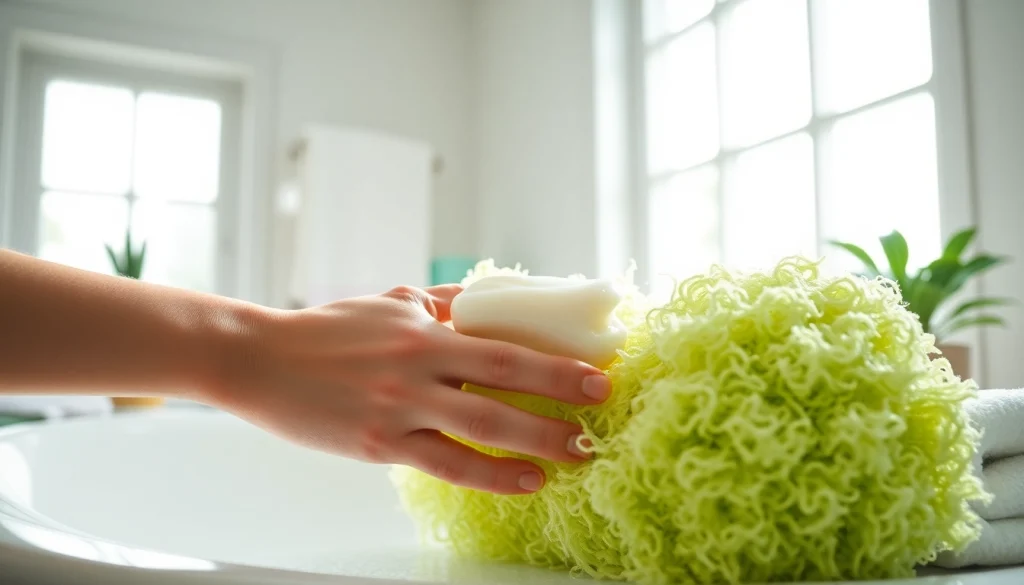
Loofahs, or luffas, come in two principal varieties: natural and synthetic. Natural loofahs are derived from the fibrous skeleton of the loofah gourd, providing a biodegradable option that’s gentle yet effective for exfoliating the skin. They tend to retain moisture and can harbor bacteria if not properly maintained. Synthetic loofahs, commonly made from nylon or other plastics, offer durability and are often designed with antimicrobial properties. They can be harder on the skin but are convenient since they dry more quickly and resist mold and mildew.
Common Uses of Loofahs in Daily Routines
Incorporating a loofah into your bathing routine can enhance your overall hygiene and skin health. Common uses include:
- Exfoliation: Loofahs effectively remove dead skin cells, making skin smoother and more radiant.
- Applying Body Wash: Used with body wash, loofahs can create a rich lather that cleanses the skin thoroughly.
- Promoting Circulation: The massaging action of scrubbing with a loofah can help stimulate blood flow and invigorate the skin.
Signs That Your Loofah Needs a Clean
Monitoring your loofah’s condition is essential for maintaining personal hygiene. Here are some signs that indicate your loofah needs a good cleaning:
- Odor: A foul smell emanating from your loofah is a clear signal of bacterial growth.
- Visible Mold: Any sign of mold or mildew is a definite indicator that your loofah is due for cleaning or replacement.
- Changes in Texture: If your loofah feels slimy or degraded, it’s time to address its hygiene and condition.
Step-by-Step Guide on How to Clean a Loofah
Preparing Your Cleaning Solution
Cleaning your loofah effectively starts with the right cleaning solution. You can use several options:
- Basic Soap Solution: Mix a few drops of liquid soap with warm water. This is suitable for routine cleaning.
- Vinegar Solution: Combine equal parts of white vinegar and water. Vinegar acts as a natural disinfectant and helps eliminate odors.
- Baking Soda Paste: Form a paste using baking soda and water for a gentle abrasive cleaner that also deodorizes.
Methods for Effectively Cleaning a Loofah
Now that you have your cleaning solution prepared, follow these steps for effective cleaning:
- Soak: Immerse your loofah in the cleaning solution for about 10-15 minutes. This allows the cleaning agent to penetrate deeply and release any trapped dirt.
- Scrub: After soaking, gently scrub the loofah with your hands to remove any debris or build-up. This step is crucial for natural loofahs as they can retain grime.
- Rinse: Thoroughly rinse the loofah under warm running water to ensure all cleaning agents are washed away.
- Disinfect (Optional): For added safety, you can use a diluted bleach solution (2 teaspoons of bleach per quart of water) for disinfection. Ensure thorough rinsing afterward.
Tips for Drying and Storing Your Cleaned Loofah
After cleaning, proper drying and storage can significantly extend the life of your loofah:
- Drying: Hang your loofah in a well-ventilated area where it can air dry completely between uses. Avoid damp or humid environments that encourage mold growth.
- Storage: Store your loofah upright in a clean, dry location, away from direct sunlight to prevent fading and wear.
Common Mistakes When Cleaning a Loofah
Using Harsh Chemicals: Why It’s a Bad Idea
While it might seem tempting to use bleach or harsh chemical cleaners, these can damage your loofah’s fibers and irritate your skin. Always opt for gentler solutions to maintain both the loofah and your skin’s health.
Overlooking Drying Techniques
Failing to dry your loofah completely can create an environment ripe for mold and bacteria growth. It’s essential to dry your loofah thoroughly and store it properly to ensure longevity.
Timing: How Often Should You Clean?
A common misconception is that loofahs do not require regular cleaning. In reality, you should clean your loofah at least once a week to prevent contamination and keep it hygienic, especially if it’s used daily.
Enhancing Longevity of Your Loofah
Best Practices for Maintenance
To maximize the lifespan of your loofah, consider adopting the following maintenance practices:
- Rotation: If you have multiple loofahs, rotate their use to allow each one to dry thoroughly and reduce wear.
- Frequent Cleaning: As mentioned, a weekly cleaning routine is best for keeping your loofah in optimal condition and free from bacteria.
When to Replace Your Loofah
It’s vital to know when to retire your loofah for a new one. Replace a loofah when:
- It has an unpleasant odor that doesn’t go away with cleaning.
- It has a frayed or broken structure, which could lead to skin irritation.
- It shows persistent mold or mildew despite cleaning efforts.
Natural Alternatives to Loofahs
If you are looking to switch from traditional loofahs, several natural alternatives can serve as effective exfoliators:
- Sea Sponges: Naturally antibacterial and biodegradable, sea sponges offer a soft lather that’s gentle on the skin.
- Bamboo Cloths: These organic cloths provide excellent exfoliation without harshness, and they’re easy to clean.
- Washcloths: Regular cotton washcloths can also serve as effective alternatives for cleansing and scrubbing the body.
FAQs About Cleaning and Maintaining Loofahs
How often should I clean my loofah?
It’s recommended to clean your loofah weekly to maintain hygiene.
Is it safe to microwave a loofah?
Microwaving can disinfect a loofah; however, ensure it is damp to prevent fire hazards.
What cleaning agents are best for a loofah?
Gentle soap or vinegar solutions effectively clean a loofah without damaging it.
Can I wash my loofah in a washing machine?
Yes, but use a gentle cycle and place it in a mesh bag for protection.
How do I know when to replace my loofah?
If it has a foul odor or shows signs of wear and tear, it’s time for a replacement.
For more information on how to clean a loofah, explore various cleaning techniques and maintenance tips that cater to different types of loofahs.