
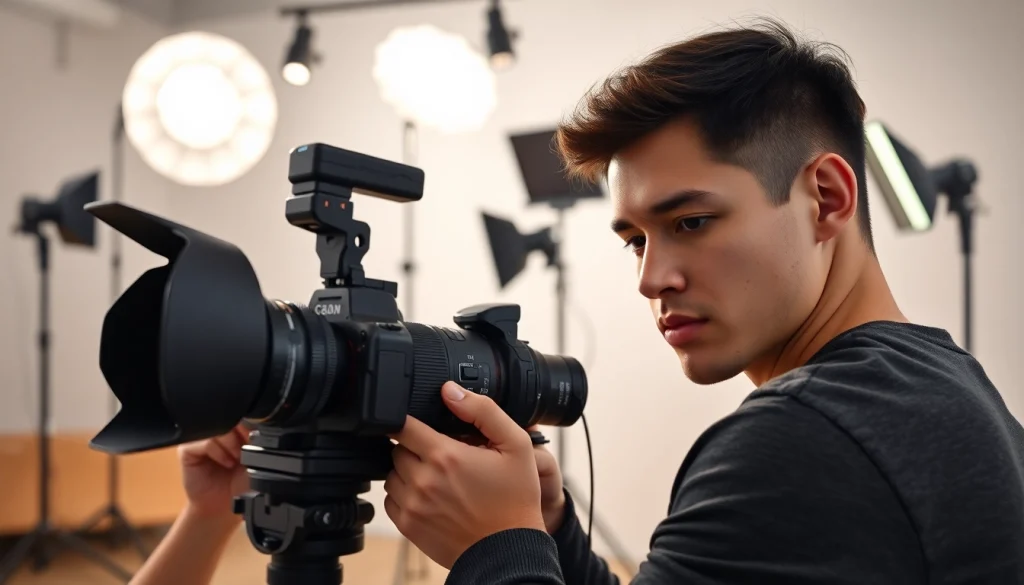
Introduction to Professional Photography Training
Photography is not just about capturing images; it’s a powerful medium for storytelling and expression. For aspiring photographers, understanding the nuances of this art form can elevate their skills from novice to professional. This is where professional photography training plays a crucial role. It provides the foundation to harness creativity, technical skills, and industry insights essential for success in photography.
The Importance of Photography Skills
In today’s visually driven world, strong photography skills are indispensable. Whether you’re aiming to document personal moments, engage in freelance work, or pursue a career in commercial photography, the significance of mastering various techniques is paramount. Effective photography skills not only enhance your ability to create compelling images but also help you communicate your unique artistic voice. Moreover, in a competitive market, proficient photography serves as your brand’s identity, enabling you to stand out.
Key Concepts in Photography
Understanding fundamental photography concepts is essential for any budding photographer. These include:
- Exposure: The amount of light that reaches your camera sensor, affecting the brightness of your images.
- Aperture: This influences the depth of field and the image’s sharpness.
- Shutter Speed: This controls motion blur and freeze-frame shots.
- ISO: This adjusts your camera’s sensitivity to light, impacting image noise.
Mastering these elements leads to better visual storytelling and a stronger grasp of the mechanics behind the lens.
Choosing the Right Equipment
Selecting appropriate photography gear is crucial for both novice and experienced photographers alike. The pieces of equipment you choose can significantly influence your creative process. Key considerations include:
- Camera Type: DSLR vs. mirrorless cameras; each has its unique advantages and disadvantages.
- Lenses: Different lenses offer varying capabilities such as wide-angle for landscapes and macro for close-ups.
- Tripods: Essential for stability and long exposure shots, particularly in low light.
- Accessories: Filters, memory cards, and straps increase functionality and safety.
Investing wisely in equipment tailored to your photographic interests and goals is a key component of professional photography training.
Essential Techniques for Success
Understanding Composition and Framing
Composition involves arranging the visual elements in your frame to create a cohesive, compelling image. Techniques like the rule of thirds, leading lines, and framing can dramatically enhance the aesthetic appeal of your photographs. For instance, the rule of thirds positions the subject along imaginary lines to draw the viewer’s eye, making for a more balanced composition. Understanding these principles will enable you to capture images that resonate with viewers.
Exploring Lighting Techniques
Effective lighting is pivotal in photography. It can set the mood, texture, and tone of an image. Natural light changes throughout the day, impacting your photos significantly. Techniques such as backlighting, soft and hard light applications, and the use of reflectors can help you manipulate light sources to achieve the desired effect. Experimenting with golden hour and blue hour photography can lead to stunning results.
Mastering Different Photography Styles
Diverse photography styles exist, each with unique challenges and characteristics. Whether it’s portrait, landscape, wildlife, or sports photography, understanding the requirements and best practices of each can refine your skills:
- Portrait Photography: Focus on the subject’s expression and personality, requiring effective communication and understanding of lighting.
- Landscape Photography: Capturing nature’s beauty requires knowledge of time, weather conditions, and composition techniques.
- Wildlife Photography: Patience and quick reflexes are essential for spontaneous moments.
- Sports Photography: Timing and fast shutter speeds are crucial to freeze action.
Diving into different styles expands your skill set and enhances your versatility as a photographer.
Advanced Photography Techniques
Working with Advanced Camera Settings
Once you’re familiar with the basics, exploring your camera’s advanced settings is pivotal for unlocking your creativity. Features such as aperture priority, shutter priority, and manual mode allow greater control over the exposure settings. Understanding histogram usage and the benefits of RAW files can significantly impact the quality of your images, providing more flexibility during post-processing.
Post-Processing Fundamentals
Post-processing is integral to modern photography. Familiarizing yourself with software such as Adobe Lightroom or Photoshop can elevate your images. Basic skills in editing—such as cropping, adjusting exposure, and color correction—can drastically improve your final product. Knowing how to use layer masks and adjustment layers can aid in achieving complex edits while maintaining the image’s integrity.
Creative Approaches to Photography
Creativity is at the heart of compelling photography. Techniques like double exposure, long exposure, and creative framing can offer fresh perspectives to your work. Additionally, integrating various mediums—such as combining photography with graphic design or digital art—can distinguish your style from others. Engaging in projects that challenge your creativity can help develop a signature aesthetic that resonates with your audience.
Building Your Photography Portfolio
Selection of Showcase Images
Your portfolio showcases your best work and reflects your style and skills. Curating a selection for your portfolio involves choosing images that highlight your technical prowess and your unique voice. Consider the following when selecting your images:
- Diversity: Include a range of styles and subjects to demonstrate versatility.
- Quality over Quantity: Focus on high-quality images that evoke emotion and tell a story.
- Organized Presentation: Arrange images in a way that flows logically and engagingly for viewers.
A well-thought-out portfolio is essential in leaving a lasting impression on potential clients or employers.
Creating an Online Presence
In the digital age, an online presence is vital for any photographer. Utilizing social media platforms such as Instagram, Facebook, and professional networks like LinkedIn can expand your reach and create connections. Establishing a personal website featuring your portfolio allows you to showcase your work effectively. Additionally, utilizing SEO strategies to improve visibility can attract more clients and professional opportunities.
Networking with Other Photographers
Building relationships within the photography community can lead to learning opportunities, collaborations, and referrals. Attend workshops, participate in local photography clubs, or join online forums to exchange knowledge and experiences. Networking with other photographers can provide valuable insights into the industry and support your continuous growth and development.
Frequently Asked Questions About Professional Photography Training
What is the best training for beginners?
Beginner training typically includes understanding camera basics, exposure triangles, and composition techniques. Online courses, workshops, or community college classes are great starting points.
How can I improve my photography skills quickly?
Practice regularly, seek constructive feedback, and engage in challenges that push your boundaries. Experimenting with diverse styles helps accelerate your learning.
What equipment should I start with for photography?
A beginner should invest in a versatile DSLR or mirrorless camera, a sturdy tripod, and a basic zoom lens. These tools offer flexibility for various shooting scenarios.
Are online courses effective for learning photography?
Yes, online courses can provide structured learning, flexible schedules, and access to experienced instructors, making them a convenient option for many learners.
What are important considerations for professional photography training?
Consider your goals, preferred photography style, and learning method. Look for comprehensive programs that cover both technical skills and artistic development.