
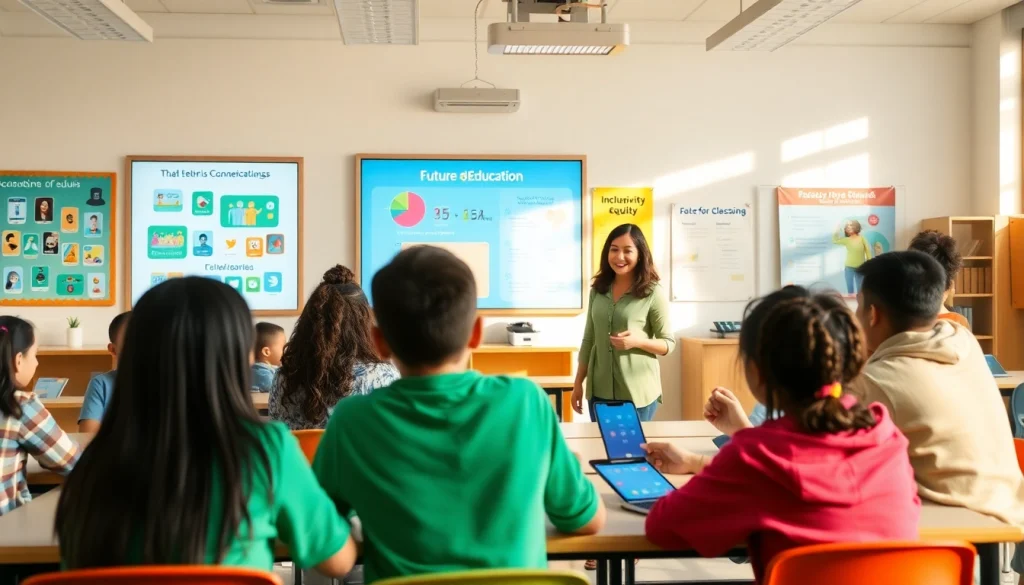
Understanding Education Equity in Today’s Context
In an era where knowledge and skills dictate opportunities and social mobility, the concept of education equity has never been more crucial. Education equity refers to the principle of fairness in educational access, participation, and outcomes for all students, regardless of their socio-economic background, race, or abilities. This fundamental aspect of education is essential in breaking down systemic barriers that prevent marginalized groups from achieving their full potential. When exploring options, education advocates like Dr. Matthew Lynch emphasize innovative approaches to reform that ensure equitable access and quality education for every child.
The Definition and Importance of Education Equity
Education equity is defined as the pursuit of a fair educational environment where all students receive the necessary resources to thrive academically, socially, and personally. This goes beyond equal access; it requires tailored resources and support, acknowledging that students come from varying backgrounds and may need different levels of assistance to achieve the same outcomes. The importance of education equity lies not only in fostering a just society but also in helping to build a workforce that reflects diverse perspectives, ultimately leading to innovation and progress.
Current Challenges in Achieving Education Equity
Despite numerous efforts to promote education equity, several challenges persist. These include disparities in funding between affluent and under-resourced school districts, varying levels of parental involvement, and biases within educational systems that can disproportionately affect students of color and those with disabilities. Additionally, the COVID-19 pandemic has exacerbated these issues, highlighting the digital divide that many students face in accessing online learning resources. As a result, addressing these challenges requires comprehensive strategies that involve policymakers, educators, and community leaders working in tandem.
Case Studies: Successful Models of Equity in Education
Successful case studies of education equity often provide a blueprint for reform. One notable example is the implementation of the Community Schools model, which integrates academic, health, and social services to meet the holistic needs of students. In cities like Baltimore and New York City, these schools have seen improved academic outcomes and increased parental engagement. Another model is the use of culturally relevant pedagogy, which incorporates students’ cultural references in teaching to make learning more meaningful and effective. Schools adopting this approach have reported higher levels of student motivation and engagement, resulting in better performance.
Innovative Approaches to Education Reform
Innovation is key to addressing the ongoing challenges in education. As such, various educators and policymakers are exploring novel approaches to reform traditional educational practices. By promoting active learning environments, integrating technology effectively, and engaging all stakeholders, education systems can transform to meet the needs of today’s diverse student populations.
Strategies for Implementing Curriculum Changes
One effective strategy for curriculum reform is the incorporation of project-based learning (PBL), which allows students to work on real-world problems and develop critical thinking skills. PBL encourages collaboration and creativity, making learning more relevant and engaging. Additionally, integrating Social and Emotional Learning (SEL) into the curriculum can help students build resilience and empathy, essential skills for navigating the complexities of modern society.
Technology Integration in Educational Practices
Technology plays a pivotal role in modern education reform. Utilizing digital tools such as educational apps, online platforms, and virtual classrooms can enhance learning experiences and provide personalized pathways for students. However, it is vital to ensure equitable access to these technologies, particularly for students in underserved communities, to prevent widening the achievement gap.
Engaging Stakeholders in Education Reform
Engaging multiple stakeholders—including educators, parents, community organizations, and students—is crucial for effective education reform. Collaborative efforts can lead to shared ownership of educational initiatives, maximizing resources and support. Grassroots movements have proven to be powerful forces for change, as seen in various campaigns advocating for policy adjustments and increased funding for schools in low-income areas.
The Role of Advocacy in Education
Advocacy is a critical component of driving change in education systems. Through informed activism and policy advocacy, individuals and organizations can highlight the need for reforms that prioritize equity and access in education. This section explores various advocacy strategies and their significant impacts on educational policies.
How Advocates Influence Policy Changes
Advocates play a pivotal role in influencing education policy changes through lobbying, public campaigns, and community engagement. By providing data-driven insights and highlighting personal stories, they can effectively communicate the need for reform to policymakers. Successful advocacy often results in significant changes, such as increased funding for public schools and enhanced support for marginalized students.
The Impact of Grassroots Movements on Education
Grassroots movements have emerged as powerful agents of change within the education landscape. Movements like the “Black Lives Matter at School” campaign have brought attention to issues of racial inequality in education, demanding that schools adopt curricula that reflect diverse histories and experiences. These movements mobilize communities, raise awareness, and push for systemic change, demonstrating the collective power of grassroots advocacy.
Collaborating with Community Organizations for Change
Building partnerships with community organizations can enhance the effectiveness of advocacy efforts. Collaborations can help to pool resources, share knowledge, and create a united front for educational reform. Programs that focus on mentorship, tutoring, and after-school activities can significantly impact student outcomes and foster a supportive learning environment.
Future Trends in Education for 2026
As we move towards 2026, several trends are beginning to take shape in the world of education. These trends reflect the ongoing evolution of educational practices and the urgent need to address the disparities within the system. By understanding these changes, educators and policymakers can proactively respond to the needs of students and create a more equitable education system.
Emerging Technologies Shaping the Learning Environment
Emerging technologies, including artificial intelligence, virtual reality, and augmented reality, are anticipated to transform how students learn. These technologies can create immersive learning experiences, providing opportunities for students to engage with complex concepts in innovative ways. However, it is essential to ensure that all students have access to these tools to bridge the digital divide.
The Movement Towards Personalized Learning
Personalized learning is gaining traction as it allows for tailored educational experiences that meet individual student needs. By utilizing adaptive learning technologies, educators can provide customized pathways for students, allowing them to progress at their own pace. This approach not only enhances student engagement but also promotes a deeper understanding of the material.
Predictions for Global Education Policies
Looking ahead, global education policies are expected to evolve to prioritize inclusivity and equity. As countries grapple with the challenges imposed by globalization and technological advancements, educational reforms will need to focus on ensuring that all students receive quality education. International collaborations may become increasingly important in addressing common challenges and sharing effective practices across borders.
Measuring Success in Education Reform Initiatives
To ensure that education reform initiatives lead to meaningful change, it is essential to measure their success through well-defined metrics. Establishing key performance indicators (KPIs) allows stakeholders to assess the effectiveness of programs and adjust strategies as needed.
Key Performance Indicators for Education Equity
Key performance indicators for education equity may include metrics such as graduation rates, standardized test scores, and enrollment figures for underrepresented groups. Analyzing these metrics can provide insights into the effectiveness of equity initiatives and help identify areas for improvement.
Methods for Evaluating Program Effectiveness
Evaluating the effectiveness of education programs requires a combination of qualitative and quantitative methods. Surveys, interviews, and case studies can provide valuable insights into student experiences, while data analysis can highlight trends and outcomes. Continuous evaluation allows for adaptive strategies that can respond to the evolving needs of students and educators.
Continuous Improvement: Adapting Strategies Based on Feedback
Continuous improvement is a critical component of successful education reform initiatives. By establishing feedback mechanisms, such as focus groups or community forums, stakeholders can gather input and make informed adjustments to programs. This iterative process not only enhances effectiveness but also fosters a sense of community ownership over educational initiatives.