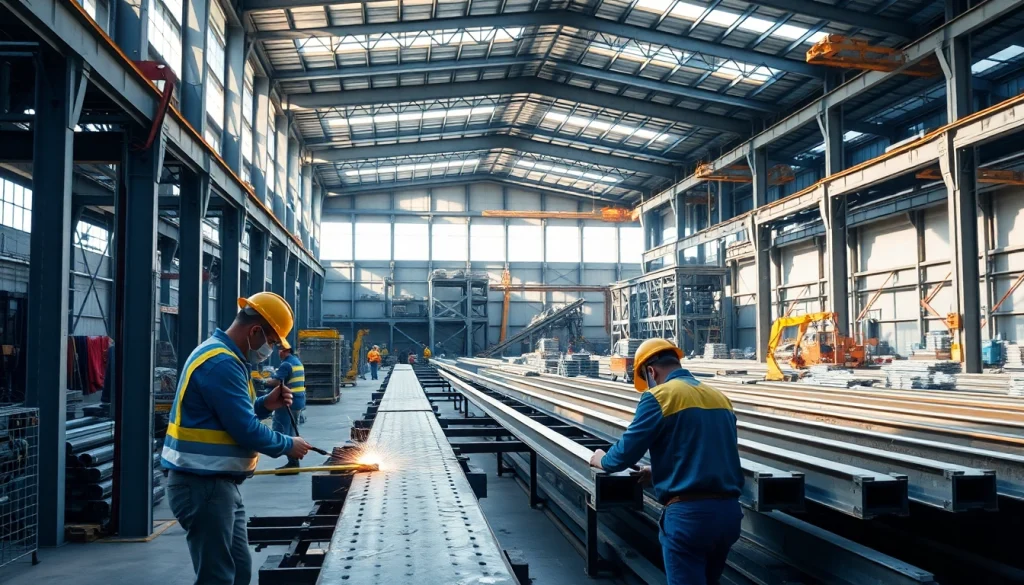
Understanding Structural Steel Fabrication
Structural steel fabrication is a critical component of the construction industry, involving the production of steel components that form the backbone of various structures. By transforming raw steel into usable elements, fabricators create a wide range of products, from beams and columns to frames and trusses. The process not only ensures the robustness and reliability of buildings but also emphasizes efficiency and cost-effectiveness. This article delves into the various aspects of structural steel fabrication, examining its processes, benefits, challenges, and future trends.
What is Structural Steel Fabrication?
Structural steel fabrication is the process of cutting, shaping, and assembling steel to create structures and components as per specified designs. This specialized process serves a multitude of purposes in the construction of buildings, bridges, and various infrastructure projects. Fabrication typically occurs off-site, ensuring that components are pre-manufactured before they are transported to the construction site, significantly improving building efficiency.
The process begins with detailed engineering drawings that outline the specifications of the building or structure. Knowledge of various fabrication techniques and standards is essential for fabricators to translate these designs into physical components.
Key Processes in Fabrication
Structural steel fabrication encompasses several key processes that are crucial for ensuring the quality and integrity of the final products:
- Cutting: The initial stage involves cutting raw steel plates and shapes to the desired dimensions using methods like shearing, sawing, or plasma cutting.
- Shaping: After cutting, steel components may need to be shaped. Processes like bending, rolling, or forming are utilized to achieve specific designs.
- Welding: This critical process involves joining the steel components through various welding techniques, creating strong and permanent connections between pieces.
- Assembly: After cutting, shaping, and welding, components are assembled into subassemblies or completed sections. This may involve the use of bolting or riveting.
- Coating and Finishing: To enhance durability and protect against corrosion, fabricated steel often undergoes various finishing processes, including painting, galvanizing, or applying protective coatings.
Materials Used in Fabrication
The choice of materials in structural steel fabrication is paramount as it directly affects the performance and longevity of the constructed elements. Key materials used include:
- Carbon Steel: The most common material, known for its excellent strength-to-weight ratio, used in various structural applications.
- Stainless Steel: Known for its resistance to rust and corrosion, it is often used in environments where durability is essential.
- Alloy Steel: Incorporating metal elements like chromium and nickel, alloy steel provides enhanced strength and hardness, making it suitable for heavy structures.
The selection of materials is influenced by the specific requirements of the project, including load-bearing capacity, environmental factors, and regulatory standards.
Benefits of Structural Steel Fabrication
Cost-Effectiveness of Steel Solutions
One of the primary advantages of structural steel fabrication is its cost-effectiveness. Steel is widely regarded as a financially viable option due to its availability and recyclability compared to other materials. Fabricating steel components off-site reduces labor costs and construction time, allowing projects to be completed more efficiently.
Moreover, the durability of steel reduces repair and maintenance costs over the lifespan of the structure. In the long run, investments in steel fabrication yield significant financial savings for builders and developers.
Durability and Longevity
Structural steel is unparalleled in terms of durability and longevity. Its ability to withstand adverse weather conditions, combined with its resistance to pests and deterioration, ensures that structures maintain their integrity over time. Steel components can be designed to accommodate substantial loads, making them suitable for large and complex structures.
Additionally, proper treatment, such as galvanization and protective coatings, further extends the life of steel components, resulting in fewer replacements or repairs needed over decades.
Environmental Considerations
With a growing emphasis on sustainability, structural steel fabrication is often viewed as an environmentally friendly choice. Steel is 100% recyclable, meaning that it can be repurposed without losing its properties. This is increasingly advantageous in construction, where minimizing waste is critical.
Furthermore, advanced fabrication methods contribute to lower energy consumption and reduced emissions in production. Innovations in steel recycling and eco-friendly practices enhance the environmental performance of structural steel, contributing to green building initiatives.
Techniques and Technologies in Steel Fabrication
Advanced Welding Techniques
Welding remains one of the most significant processes in structural steel fabrication. The evolution of welding technologies has led to enhancements in speed, precision, and strength of welds. Common techniques include:
- MIG Welding: Metal Inert Gas welding is favored for its versatility and speed, making it suitable for thinner materials.
- TIG Welding: Tungsten Inert Gas welding provides superior control for thin and delicate materials, resulting in cleaner welds and higher-quality finishes.
- Arc Welding: A process that uses electric arcs to melt the metals to be joined, widely used for steel fabrication due to its deep penetration capabilities.
Each welding method offers unique benefits, and the choice often depends on the material thickness, joint configuration, and specific project requirements.
CNC Machines and Automation
Computer Numerical Control (CNC) machines have revolutionized the fabrication industry by automating processes like cutting, drilling, and milling. These machines provide high precision, significantly reducing human error, and enhancing the efficiency of production.
CNC technology allows for complex geometries to be fabricated with ease, enabling designs that were previously unachievable. Automation not only streamlines operations but also reduces labor costs, contributing to faster project timelines.
Quality Control Measures
Quality control is essential in structural steel fabrication to ensure that products meet stringent industry standards. Effective measures include:
- Inspection and Testing: Regular inspections during and post-fabrication help identify potential defects, ensuring that components meet specified tolerances.
- Standards Compliance: Adhering to industry standards, such as ASTM and ISO, guarantees that fabricated products are reliable and safe for use.
- Documentation: Maintaining comprehensive records of processes, materials, and inspections helps establish traceability and accountability over the lifecycle of the project.
By implementing robust quality control measures, fabricators can mitigate risks and ensure the durability and safety of their structural steel components.
Common Challenges in Structural Steel Fabrication
Dealing with Material Limitations
While steel is a preferred material for construction, it is not without limitations. Different steel grades possess unique properties, and selecting the appropriate grade can be challenging. Also, issues such as material availability and fluctuations in market prices can influence project timelines and costs.
Strategies to overcome these challenges include thorough material research, establishing relationships with multiple suppliers, and maintaining flexibility in project specifications.
Meeting Regulatory Standards
Regulatory standards in construction vary widely by region and project type. Compliance with building codes and safety regulations is not only essential for legal approval but also for ensuring public safety. The challenge lies in navigating these complex regulations, which may differ across jurisdictions.
Fabricators can address this by keeping abreast of current legislation, investing in training for their teams, and collaborating with industry experts to ensure all standards are met efficiently.
Schedule and Budget Constraints
Timely delivery of fabricated components plays a crucial role in overall project success. Delays in fabrication can disrupt construction schedules leading to increased costs and strained relationships between stakeholders. Fabricators often have to manage multiple projects simultaneously, impacting their ability to meet deadlines.
To mitigate these challenges, effective project management strategies such as scheduling software, transparent communication with clients, and contingency planning for unexpected issues can prove invaluable.
Future Trends in Structural Steel Fabrication
Innovations in Design Software
The emergence of advanced design software has transformed the landscape of structural steel fabrication. Building Information Modeling (BIM) allows for comprehensive visualization of projects before they are constructed, facilitating collaboration among stakeholders. Innovations in software also enable faster design iterations, ensuring that fabricators can adapt and optimize designs quickly.
These tools enhance not only the efficiency of the design process but also improve project outcomes, reduce errors, and foster greater collaboration among architects, engineers, and fabricators.
Industry 4.0 Impacts
Industry 4.0 signifies the fourth industrial revolution, characterized by the integration of digital technologies into manufacturing processes. For structural steel fabrication, this means leveraging data analytics, the Internet of Things (IoT), and artificial intelligence (AI) to streamline operations and improve decision-making.
Adoption of smart machines and interconnected systems allows for real-time monitoring of production processes, enhancing predictive maintenance and reducing downtimes. These advancements not only drive operational efficiency but also foster a culture of continuous improvement within the industry.
Sustainability in Fabrication Practices
As sustainability continues to be a core focus across industries, structural steel fabrication is embracing eco-friendly practices. This includes optimizing material usage, reducing waste, and implementing energy-efficient processes.
Technologies such as recycled steel and low-carbon emissions production techniques are paving the way for greener practices in fabrication. Additionally, many companies are seeking certifications in green building practices to enhance their marketability and commitment to sustainability.
In conclusion, structural steel fabrication remains an essential practice that plays a vital role in modern construction. With advancing technology, a focus on sustainability, and a commitment to quality and efficiency, the future holds vast potential for the industry. By understanding the processes, benefits, challenges, and emerging trends, stakeholders can position themselves for success in an increasingly competitive market.