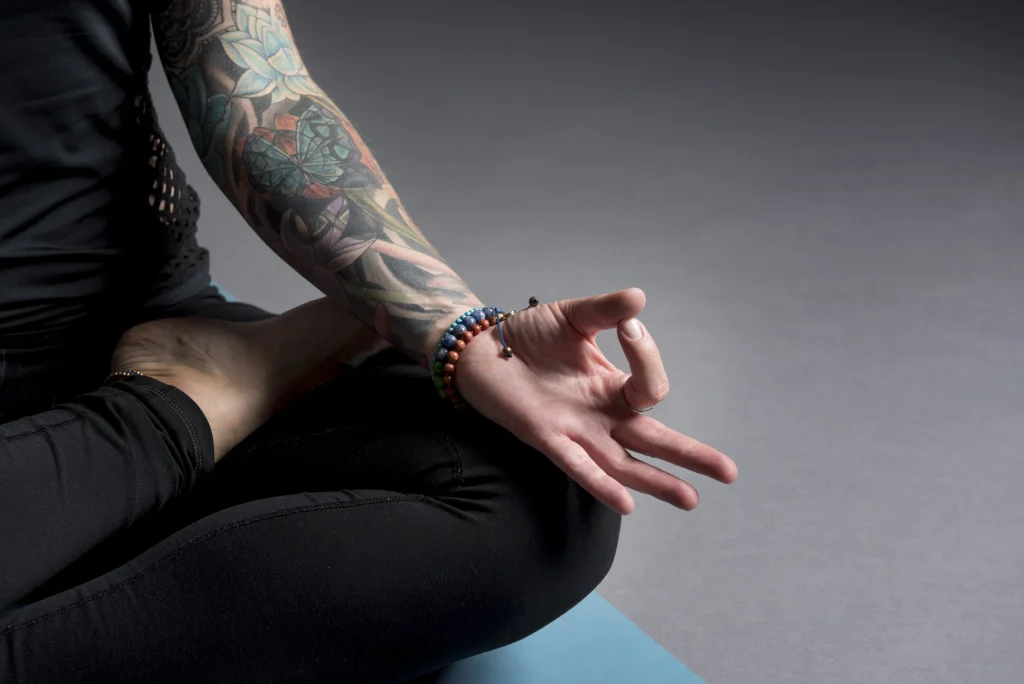
Introduction to Yoga Mudras
Yoga is a multifaceted practice that promotes not only physical wellness but also mental and spiritual equilibrium. One essential yet often overlooked aspect of yoga is the use of Yoga Mudras. These hand gestures act as powerful tools to channel energy, enhance mental focus, and promote overall health. Understanding yoga mudras is crucial for anyone seeking to deepen their yoga practice and enrich their meditation experience.
What are Yoga Mudras?
Yoga mudras are symbolic hand gestures that are used to influence the flow of energy in the body. The term “mudra” translates from Sanskrit as “gesture” or “seal.” Each mudra serves a specific purpose and is designed to trigger particular emotional and physical states. Practicing mudras can result in improved concentration, reduced anxiety, and enhanced spiritual awareness, making them a valuable addition to both yoga and meditation practices.
The Historical Significance of Yoga Mudras
The practice of mudras dates back thousands of years, rooted in ancient Indian traditions. They are often mentioned in sacred texts such as the Vedas and the Upanishads. Historically, these gestures were used not just in yoga but also in rituals and performances, symbolizing various aspects of life and spirituality. Over the centuries, yoga practitioners have come to recognize the therapeutic benefits of mudras, integrating them into meditation and yoga practices for their profound effects on the mind and body.
Benefits of Practicing Yoga Mudras
- Energy Flow Regulation: Yoga mudras help in directing and regulating the prana (life force) within the body.
- Mental Clarity: Certain mudras promote focus and concentration, making them ideal for meditation.
- Emotional Balance: Mudras can assist in stabilizing emotions, reducing stress and anxiety through bodily awareness.
- Physical Well-being: Regular practice can lead to improved physical health, as they are believed to enhance bodily functions.
- Spiritual Connection: Mudras deepen the meditative experience, fostering a greater sense of connection to oneself and the universe.
Types of Yoga Mudras
There are various types of yoga mudras, each serving unique purposes and benefits. Let’s explore some of the most prominent categories.
Hasta Mudras
Hasta mudras are hand gestures specifically designed to channel energy through the hands. These mudras are often simple yet powerful. They are commonly practiced during meditation and can balance the body’s elements. For example, the Prithvi Mudra, where the tip of the thumb touches the tip of the ring finger, is believed to enhance stability and endurance.
Chin Mudra and Its Uses
Chin Mudra is one of the most recognized yoga mudras. It involves placing the thumb and index finger together while the other three fingers remain extended. This mudra fosters a deep sense of peace and awareness, promoting mental clarity. It is often used during meditation to enhance the practitioner’s ability to connect with their inner self and to encourage mindfulness.
Gyan Mudra for Knowledge
Also known as the Mudra of Knowledge, Gyan Mudra is formed by touching the tip of the thumb and index finger together, while the other fingers remain straight. This mudra is celebrated for its ability to improve concentration and cognitive abilities. It can be particularly helpful for students or anyone aiming to absorb new information more effectively.
How to Practice Yoga Mudras Effectively
Incorporating yoga mudras into your practice requires some guidelines to ensure maximum benefits. Here are steps to practice effectively:
Creating a Meditation Space
Establishing a dedicated meditation space can enhance your practice. Choose a quiet, comfortable place where you feel at ease. Use soft furnishings, cushions, or a yoga mat to sit comfortably. Soft lighting and calming scents can further elevate the ambiance, making it conducive to practicing yoga mudras.
Integrating Mudras into Daily Practice
To get the most out of yoga mudras, try to incorporate them into your daily meditation or yoga routines. You can practice mudras while seated in a comfortable position or even when standing or walking. Consistently using specific mudras helps to establish their beneficial effects. Start each session with a few moments of mindfulness to center your focus.
Mindfulness and Breath Coordination
Mindfulness is crucial when practicing yoga mudras. Coordinate your breath with each gesture. For example, as you enter into a mudra, inhale deeply and exhale slowly while maintaining the gesture. This practice cultivates awareness not only of the physical body but also of the intricate energy movements that occur, thereby enhancing the overall experience.
Yoga Mudras for Specific Goals
Different mudras can target specific intentions or wellness goals, fostering personal growth and healing. Here are some notable examples:
Using Mudras for Stress Relief
Stress relief is a primary benefit of practicing yoga mudras. The Anjali Mudra, formed by pressing the palms together in front of the chest, encourages a sense of calm and inner peace. Incorporating this mudra into your routine can help mitigate stress levels and foster feelings of gratitude and mindfulness.
Enhancing Focus with Yoga Mudras
To sharpen focus, the Gyan Mudra is exceptionally effective. Its association with knowledge and intelligence makes it ideal for those looking to improve their concentration, especially during study sessions or important work tasks. Additionally, pairing this mudra with focused breathing techniques can amplify its effects.
Balancing Emotions Using Mudras
For emotional balance, the Vayu Mudra is commonly utilized. By folding the index finger into the base of the thumb and pressing down with the thumb, this mudra helps to dispel anger and anxiety. Regular practice can bring about a sense of equilibrium within, facilitating emotional stability.
Frequently Asked Questions About Yoga Mudras
What is a mudra?
A mudra is a hand gesture used in yoga and meditation to channel energy and enhance mental focus. Each mudra has its purpose and benefits, facilitating various physical and emotional states.
Can Yoga Mudras improve mental health?
Yes, practicing Yoga Mudras can significantly improve mental health by reducing anxiety, enhancing concentration, and promoting a sense of peace, making them valuable in managing stress and emotional well-being.
How long should I hold a mudra?
Typically, holding a mudra for 5 to 15 minutes is recommended. However, you can adjust this duration based on comfort and your meditation practice. Always listen to your body for the best results.
Are there any risks associated with Yoga Mudras?
Generally, Yoga Mudras are safe when practiced mindfully. However, those with specific medical conditions should consult a healthcare provider before incorporating them into their routines to avoid any potential conflicts.
What is the best time to practice Yoga Mudras?
The best time to practice Yoga Mudras is during meditation or yoga sessions, preferably in the morning or evening when you can maintain a calm and focused environment, enhancing mindfulness and relaxation.