
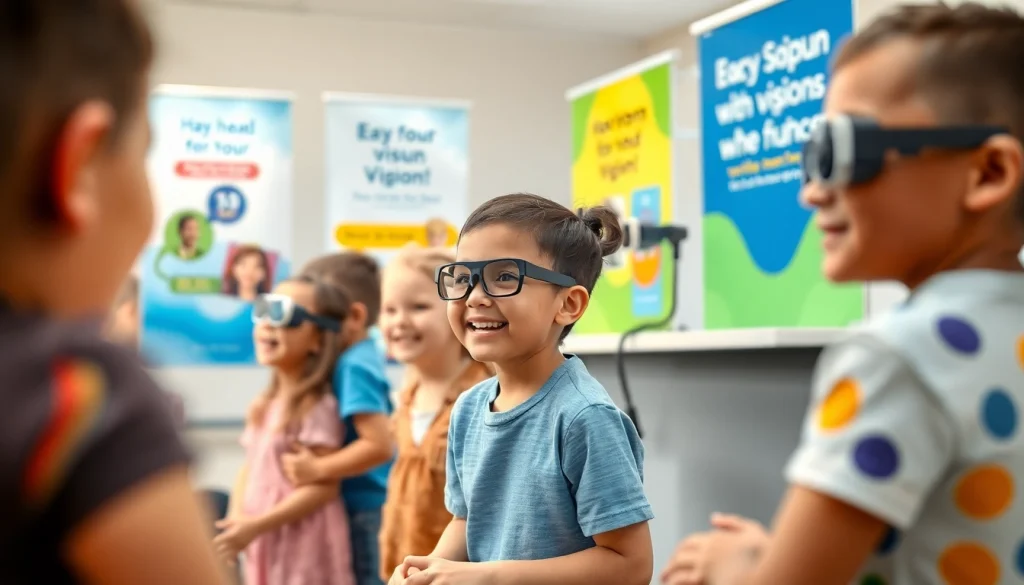
Understanding Our Children’s Vision and Eye Health
The Significance of Vision in Child Development
Vision plays a vital role in a child’s overall development, influencing their learning, social interactions, and physical activities. Research indicates that nearly 80% of what a child learns occurs through their eyes. This fact underscores the critical importance of healthy vision at an early age. Proper visual development not only contributes to academic success but also affects a child’s self-esteem and confidence when engaging with peers. In fact, delays in visual development can lead to significant hurdles in a child’s educational journey, often resulting in learning disabilities or behavioral issues.
Common Vision Issues in Children
Despite its importance, many children face various vision problems. The most common issues include refractive errors such as nearsightedness (myopia), farsightedness (hyperopia), and astigmatism. These conditions can impede a child’s ability to focus clearly on objects, either near or far, diminishing their learning capabilities. Furthermore, strabismus, or crossed eyes, and amblyopia, often referred to as “lazy eye,” can also occur. These conditions not only affect visual acuity but can also impact a child’s depth perception and coordination, complicating activities like sports or even simply navigating their environment.
Importance of Regular Eye Exams
Regular eye examinations are essential for early detection and treatment of vision issues. Parents should ensure that their children receive comprehensive eye exams starting from infancy and continuing through adolescence. The recommended frequency of these examinations can vary based on age, risk factors, and findings from previous exams. Early detection can significantly mitigate issues that could lead to learning difficulties or social challenges. Resources such as Our Children’s Vision provide valuable information regarding scheduled visits and what to expect during these assessments.
How to Foster Healthy Vision Habits
Daily Practices to Support Eye Health
Establishing healthy vision habits from an early age can significantly contribute to long-term eye health. Parents can implement daily routines that promote good eye care. For instance, encouraging children to take regular breaks from screens, often referred to as the “20-20-20 rule,” can help reduce eye strain. This rule suggests that every 20 minutes, children should look at something 20 feet away for at least 20 seconds. Additionally, outdoor play is beneficial; studies have shown that spending time outside can reduce the risk of developing myopia.
Choosing the Right Eyewear for Children
When a child requires corrective eyewear, selecting the right glasses or contact lenses is crucial. Parents should involve their children in the decision-making process to assure comfort and ensure the child feels confident in their new appearance. It’s also important to choose eyewear that is durable and fits well. For younger children, polycarbonate lenses are recommended as they are impact-resistant; for teenagers, stylish frames that reflect their personality can encourage consistent wear. Regular adjustments should also be scheduled to ensure the eyewear remains effective and comfortable as the child grows.
Engaging Children in Eye-Friendly Activities
Promoting a lifestyle that supports eye health can also be achieved through fun and engaging activities. Integrating games that require visual coordination, such as catching or tagging, encourages movement and proper eye tracking. Additionally, family activities that involve crafting can stimulate visual processing and hand-eye coordination. Outdoor explorations, such as hiking or visiting parks, not only promote eye health through nature exposure but also encourage physical activity and social interaction.
Community Programs Supporting Our Children’s Vision
Available Resources for Parents and Children
Many communities offer resources and programs designed to support children’s vision health. Schools often collaborate with local health organizations to provide free or low-cost vision screenings for students. Such programs help identify those who may need further examination or treatment, ensuring access to necessary eye care. Additionally, initiatives like “Vision Days” can be organized, where families receive information on healthy vision habits, the importance of eye exams, and local resources available for children.
Partnerships with Local Health Organizations
Effective partnerships between schools, healthcare providers, and community organizations can significantly enhance vision care access for children. For instance, collaborating with local optometrists or ophthalmologists to provide on-site eye examinations at schools can foster early detection and treatment of vision problems. Furthermore, engaging with non-profit organizations focused on children’s health can promote outreach programs that educate families on the importance of eye health and provide financial assistance for eye care when necessary.
Importance of Community Engagement and Advocacy
Community engagement is essential in promoting children’s vision health. Parents and caregivers should be encouraged to advocate for improved vision care services within their schools and communities. Participating in community discussions about health policies can raise awareness of the importance of eye exams and vision care. By uniting voices advocating for appropriate funding and resources for children’s vision health, communities can ensure that no child is left behind due to financial or logistical barriers.
Challenges in Promoting Eye Health for Kids
Addressing Misconceptions About Vision Care
One of the significant hurdles in promoting eye health for children is the prevalence of misconceptions surrounding vision care. Many parents believe that if their child is not complaining of vision problems, then regular check-ups are unnecessary. Educating parents about the silent nature of many vision issues can help counter these misconceptions. Initiatives aimed at informing parents about the foundational role that regular eye exams play in preventive health care can increase participation and awareness.
Overcoming Accessibility Issues
Accessibility issues frequently prevent children from receiving necessary eye care. Several families face barriers, such as high costs, lack of transportation, or limited availability of services in their area. To address these challenges, comprehensive outreach strategies are essential. Community programs can offer transportation solutions or partnerships with local businesses to provide funding assistance for eye exams and eyewear. Building partnerships with public health organizations can also help identify and support families in need.
Strategies for Effective Communication
Effective communication is paramount in fostering understanding around children’s vision health. Using clear, accessible language when discussing eye care initiatives helps to demystify the topic for parents and children alike. Providing materials in multiple languages and utilizing social media campaigns can also extend outreach. Workshops and seminars that encourage dialogue between healthcare professionals and community members can foster a sense of partnership in promoting awareness and advocacy.
Measuring the Impact of Vision Care Initiatives
Key Performance Indicators for Successful Programs
To ensure that vision care initiatives are working as intended, it is critical to establish key performance indicators (KPIs). Metrics such as the number of children screened, the percentage of referrals made for further care, and the reported improvement in children’s academic performance can provide insight into the effectiveness of programs. Tracking these indicators over time also allows for the identification of areas that may need adjusting for enhanced effectiveness.
Case Studies on Successful Community Engagement
Several communities have seen success through unique initiatives that engage families and organizations around children’s vision health. For example, a pilot program that brought together schools, local optometrists, and community centers achieved a significant reduction in unaddressed vision problems. By analyzing data before and after the implementation of coordinated care initiatives, it became clear that collaboration between various stakeholders can yield impressive results and improve access and education in children’s eye health.
Evaluating Long-Term Benefits for Children’s Education
Investing in children’s vision health has far-reaching consequences not only for individual children but also for society as a whole. Evaluating long-term educational outcomes related to high-quality vision care can reveal correlations between appropriate intervention and improved academic performance. Outcomes such as improved attendance rates, higher grades, and increased engagement in class provide a compelling case for prioritizing eye health initiatives. When children can see clearly, they are more likely to succeed in their educational journeys, ultimately benefiting society as they grow into successful adults.