
HOW THCA DIFFERS FROM OTHER CANNABINOIDS IN FOOD SCIENCE
Understanding the Unique Role of THCA
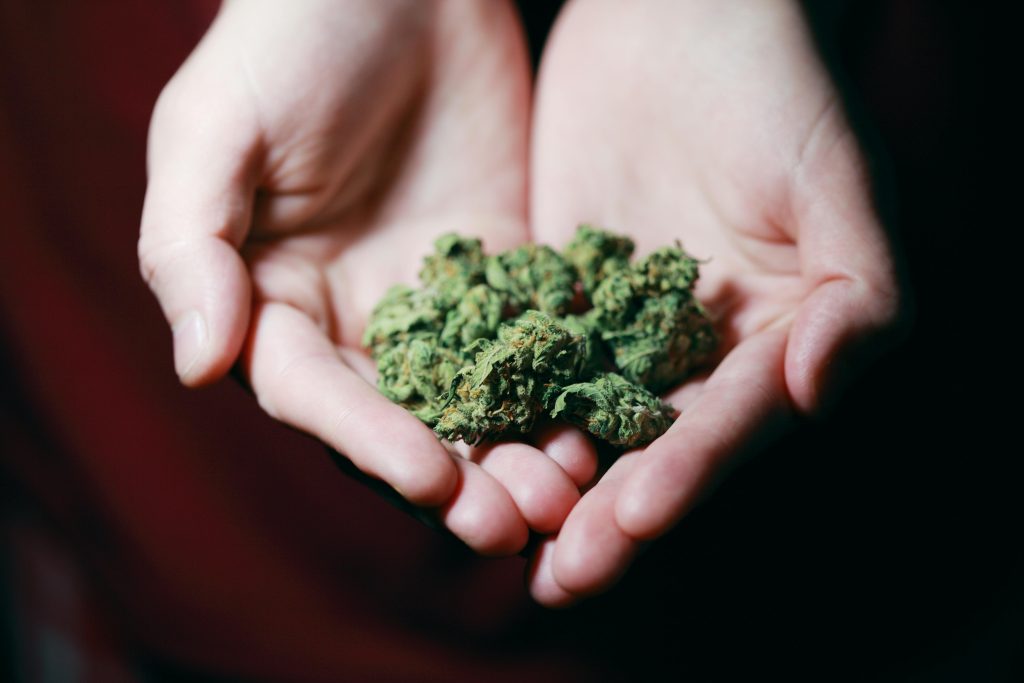
THCA is a non-psychoactive cannabinoid found in raw cannabis. Unlike THC, THCA does not produce intoxicating effects and remains stable in fresh plant material. In food science, this stability allows THCA to be incorporated into raw, unheated preparations such as juices, salads, and cold infusions. The presence of THCA in culinary applications provides an opportunity for chefs and food scientists to explore cannabinoid properties without altering the psychoactive profile of a dish. This makes THCA a distinct compound among the many cannabinoids used in food innovation.
Chemical Differences Between THCA and Other Cannabinoids
THCA differs from THC, CBD, and other cannabinoids in its chemical structure. It contains an extra carboxyl group, which is lost during decarboxylation, converting THCA into THC. This molecular distinction means that THCA retains a different set of properties, including non-intoxicating effects and potential health benefits. Food scientists pay special attention to THCA because it behaves differently under heat, light, and pH changes compared to THC or CBD. Understanding these differences allows chefs to preserve THCA in cold preparations and harness its unique qualities in culinary applications.
THCA in Raw and Unprocessed Foods
Because THCA does not require decarboxylation to remain active, it is ideal for raw and minimally processed foods. Smoothies, herbal drinks, and cold-pressed sauces can incorporate THCA while maintaining its chemical integrity. Researchers and chefs are exploring how THCA interacts with other natural compounds in foods, such as antioxidants, vitamins, and plant-based proteins. By using THCA, culinary professionals can offer products that emphasize wellness, nutrition, and flavor without introducing psychoactive effects.
THCA’s Impact on Flavor and Nutrition
Beyond its non-intoxicating properties, THCA contributes subtle flavors that can enhance culinary experiences. Its presence can add herbal, earthy, or slightly tangy notes, depending on the strain and preparation method. In addition, THCA may interact with bioactive compounds in food, creating potential synergistic effects that support wellness-focused diets. Food scientists and chefs alike study THCA to optimize both taste and potential health benefits in recipes, ensuring that the compound is preserved and highlighted.
Research and Innovation with THCA
Scientific interest in THCA has grown significantly, as researchers examine its chemical behavior, stability, and interactions in food systems. Studies in 2025 highlight THCA’s potential role as a functional ingredient in nutraceuticals and gourmet foods. Researchers are developing methods to measure THCA accurately, track its stability under various conditions, and understand its contribution to overall cannabinoid profiles in dishes. These efforts underscore THCA’s unique position as a bridge between food science, nutrition, and cannabis research.
Practical Tips for Working with THCA in Food
For culinary applications, preserving THCA requires careful handling. Avoid high heat, prolonged exposure to light, and acidic conditions that may degrade the compound. Using raw cannabis extracts or cold infusion techniques helps maintain THCA integrity. By incorporating THCA thoughtfully, chefs can create innovative dishes that showcase its flavor, nutritional potential, and scientific interest, all while keeping the product non-psychoactive.
Conclusion
THCA sets itself apart from other cannabinoids through its non-intoxicating nature, chemical stability, and versatility in food science. Its applications in raw, minimally processed, and nutritionally focused foods make THCA an essential compound for modern culinary innovation. Understanding THCA allows chefs, food scientists, and wellness enthusiasts to explore cannabis in ways that highlight flavor, science, and health, solidifying its role in the evolving world of cannabinoid-infused foods.