
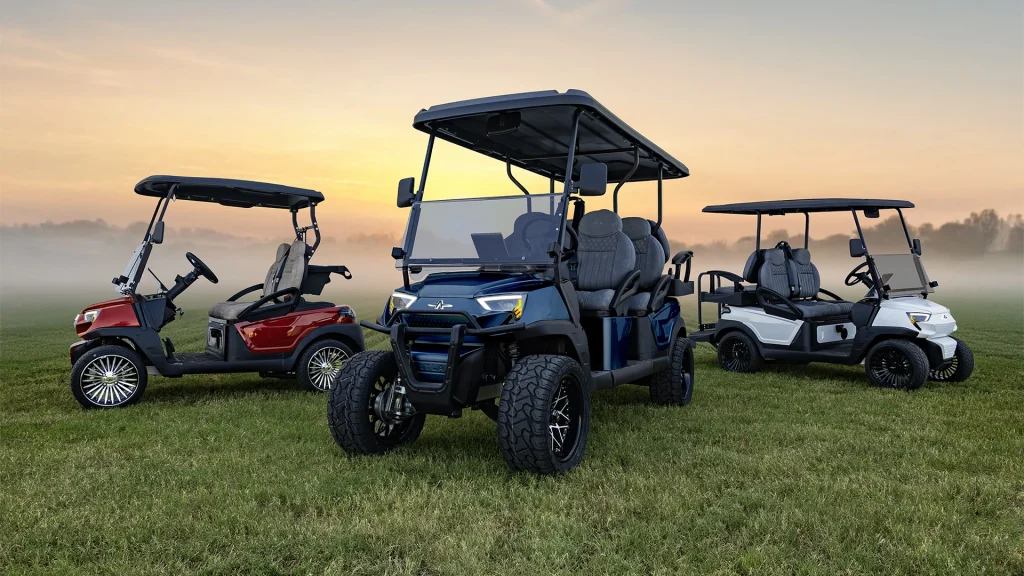
Understanding Used Golf Carts
Golf carts have become an indispensable mode of transport not just on the greens but in various recreational and residential settings. Their versatility and practicality lead many to consider buying one. For buyers looking to save costs while still obtaining excellent performance, Used golf carts often provide the best solution. This guide delves into essential aspects of used golf carts, from understanding what they are to knowing how to evaluate their quality and maintain them.
What Constitutes a Used Golf Cart?
A used golf cart refers to a previously owned vehicle that has served its purpose on the golf course or in other related environments. These carts may have varied histories, from light use on private golf courses to more extensive use in commercial applications. Understanding how a golf cart qualifies as ‘used’ comes down to factors such as age, mileage, and wear and tear. The condition is often assessed by mechanical integrity, aesthetic appearance, and functional capabilities.
Common Types of Used Golf Carts
When exploring the market, buyers will come across various types of used golf carts, including:
- Electric Golf Carts: Known for their quiet performance and eco-friendliness, electric carts require regular battery maintenance but are cost-effective in the long run.
- Gas-Powered Golf Carts: These offer more power and range but can create noise and require more maintenance due to their internal combustion engines.
- Utility Carts: Designed for carrying goods or tools, these carts often feature larger cargo beds and are popular for landscaping or maintenance tasks.
- Custom Golf Carts: Modified for personal flair or utility, these can include enhanced features like custom paint jobs, upgraded seats, and stereos.
Benefits of Choosing Used Golf Carts
Opting for used golf carts brings various advantages:
- Cost Savings: Used carts typically cost less than new ones, making them budget-friendly.
- Depreciation: Unlike new carts, used ones have already depreciated in value, which can minimize loss when reselling.
- Availability: A wide range of options exists used, allowing buyers to find specific models or features without the wait associated with new sales.
- Environmental Benefits: By purchasing used, you support recycling and sustainability practices.
Key Features to Look For
Essential Specifications for Used Golf Carts
When selecting a used golf cart, consider these specifications:
- Battery Capacity: For electric carts, check the amp-hour ratings which affect how long the cart can operate on a single charge.
- Model Year: Older models may lack modern features but could be more affordable.
- Seating Capacity: Depending on your needs, ensure the cart has enough seats for your typical passengers.
- Weight: The cart’s weight capacity is important for carrying loads, especially in utility models.
Performance Attributes to Consider
Performance elements significantly affect a cart’s usability:
- Speed: Evaluate the top speed, which ranges from 12 to 20 mph for most models.
- Torque: Good torque is essential for climbing hills and transporting loads.
- Range: For electric carts, understanding the distance you can travel on a single charge is crucial for planning outings.
Aesthetic Factors and Customizations
Visual appeal can enhance your cart’s enjoyment:
- Color and Design: Many carts feature a variety of colors and design choices, allowing personalization.
- Accessories: Look for carts equipped with coolers, lights, and other accessories that enhance functionality.
- Condition: A well-maintained appearance not only looks good but can signal better mechanical health.
Evaluating Quality in Used Golf Carts
Inspecting Mechanical Components
Before purchasing, perform a thorough inspection of the cart’s mechanical components. Check:
- Brakes: Ensure they are responsive and not worn out.
- Steering: It should feel smooth without excessive play.
- Suspension: Verify that there are no leaks or damage.
Verifying Battery Life and Charge
For electric carts, battery condition is paramount. Confirm:
- Age of Batteries: Older batteries may lose charge capacity.
- Voltage Checks: Inspect the voltage with a multimeter to ensure it meets specifications.
- Maintenance Records: Review any documentation showing regular maintenance or replacements.
Checking for Exterior Damage
Exterior assessment involves several checks:
- Frame Integrity: Inspect for rust, bends, or cracks that could impact safety.
- Tires: Look for uneven wear, which could hint at alignment issues.
- Body Condition: Check for scratches, cracks, or faded paint that may require touch-ups.
Buying Guide for Used Golf Carts
Where to Find Quality Used Golf Carts
Finding reputable sources is key to acquiring a quality used golf cart. Consider:
- Dealerships: Authorized dealerships often provide certified carts and warranties.
- Online Marketplaces: Websites specializing in recreational vehicles can offer extensive inventories.
- Private Sellers: Local listings may yield excellent bargains but require careful scrutiny.
Price Negotiation Tips
Engaging in price negotiation can lead to significant savings. Here are practical strategies:
- Do Your Research: Know the average market price for similar models to back up your offer.
- Look for Flaws: Pointing out minor defects can serve as leverage for negotiation.
- Be Prepared to Walk Away: Establish your budget and stick to it; this will empower your bargaining position.
Documentation and Transfer Process
For a smooth purchase, ensure that all necessary documentation is in order:
- Title Transfer: Verify that the seller can provide the ownership title.
- Bill of Sale: Demand a bill of sale that outlines purchase details and conditions.
- Inspection Reports: If available, request any records of past inspections or repairs.
Maintaining Your Used Golf Cart
Regular Maintenance Checklist
To ensure longevity, establish a maintenance routine that includes:
- Battery Maintenance: Regularly check water levels in batteries and clean terminals.
- Tire Checks: Monitor tire pressure and tread depth.
- Periodic Inspections: Conduct routine inspections on mechanical components and address issues early.
Repairing Common Issues
Common repair tasks include:
- Brake Repairs: Investigate squeaks or poor response as signs for replacement or adjustment.
- Electrical Fixes: Address failing lights or malfunctioning controllers promptly.
- Body Repairs: Touch up paint or fix dents to protect against rusting.
Upgrading Your Used Golf Cart
Enhancements can significantly improve the performance or aesthetic appeal of your cart:
- Performance Upgrades: Consider battery upgrades for increased range or motor power.
- Custom Features: Personalize with upgraded seats, sound systems, or lifting kits.
- Safety Enhancements: Add mirrors or turn signals for better visibility and safety on roads.
FAQs About Used Golf Carts
What should I look for when buying a used golf cart?
Inspect mechanical parts, battery quality, and external appearance. Research the model’s performance and ensure it meets your needs.
How can I maintain my used golf cart?
Regularly check the battery, tire pressure, and brakes. Schedule annual inspections for more extensive checks and repairs as needed.
Is buying a used golf cart worth it?
Yes, buying used can save you money while still providing reliable transportation if you choose wisely and perform due diligence.
How often should I charge my electric golf cart?
Charge after each use, and ensure to fully charge the cart at least once a month to prolong battery life.
What are the common issues with used golf carts?
Common issues can include battery failure, brake problems, or electrical issues. Regular maintenance can mitigate many of these concerns.